
Planting
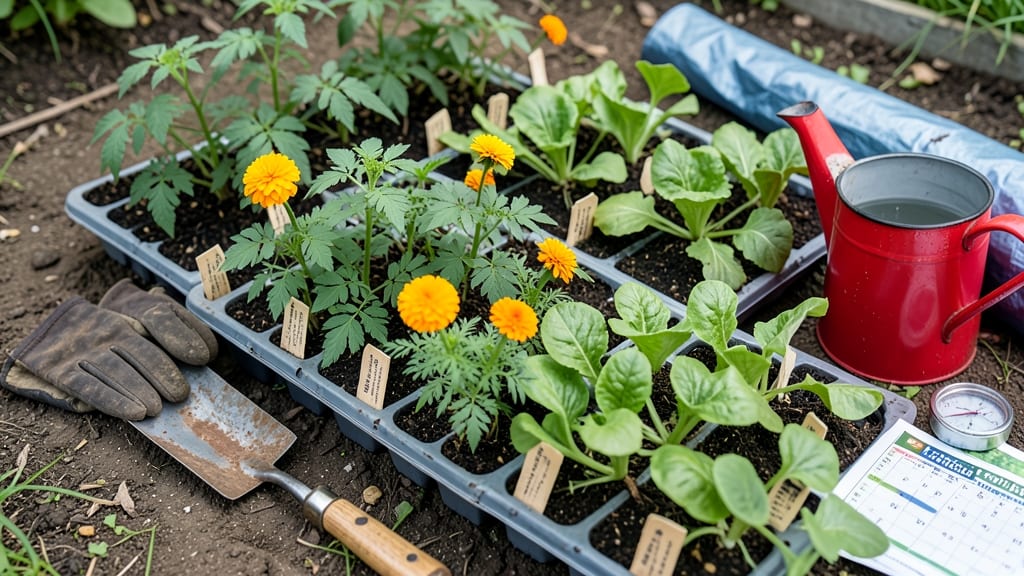
Timing when to plant a garden in Nebraska 🌱 just right means the difference between a lush harvest and a frost-killed disappointment. Nebraska’s unpredictable frost dates—ranging from mid-April to late October—can leave even experienced gardeners guessing when to plant.
I’ve spent years tracking local frost patterns, and the key is knowing your county’s exact last spring frost and first fall freeze. Whether you’re growing tomatoes in USDA Zone 5a-6b or hardy greens, planting at the wrong time can waste seeds and effort.
In this guide, I’ll break down the perfect planting windows for your Nebraska garden—from cool-season crops in early spring to warm-season staples after the last frost. You’ll also learn how to adjust for microclimates and extend your growing season.
Ready to turn your garden dreams into reality? Let’s get those seeds in the ground at the right time—no more guesswork, just growth.
Nebraska county frost dates: the exact last spring & first fall frosts
Nebraska’s USDA Zones 4-6 create dramatic planting windows—just 30 days separate the last spring frost in the Panhandle from Eastern Nebraska. For example, Scottsbluff’s average last frost is April 15, while Omaha’s is May 1.
These differences mean your tomato seeds might thrive in one county but freeze in another.
To avoid frost damage, I recommend checking your county’s historical frost data from the Nebraska State Climate Office. Their records show first fall frosts range from October 15 in Western Nebraska to October 30 in the East. This 15-day gap directly impacts your fall planting success.
Here’s the visual breakdown of Nebraska’s frost windows by region—critical for scheduling your cool-season crops like spinach and kale or warm-season favorites like peppers and cucumbers:
| Region | Last Spring Frost | First Fall Frost | Frost-Free Days | USDA Zone |
|---|---|---|---|---|
| Panhandle (Scottsbluff, North Platte) | April 15 | October 15 | 180 days | 4a-5a |
| Central (Lincoln, Grand Island) | April 25 | October 20 | 170 days | 5a-5b |
| Eastern (Omaha, Nebraska City) | May 1 | October 30 | 160 days | 5b-6a |
For Panhandle gardeners, this means you can plant warm-season crops like squash as early as May 1, while Eastern Nebraska gardeners should wait until May 15. The 14-day difference is critical for tomato transplants, which need consistent warmth to thrive.
Pro tip: Use a soil thermometer to confirm 50°F soil temps before planting warm-season crops. Cold soil can stunt growth, even if air temps are warm. I’ve seen pepper seedlings fail twice because the soil was still 45°F—despite sunny skies.
Fall planting is equally critical. In Western Nebraska, start cool-season crops like broccoli by August 1 to harvest before the October 15 frost. In the East, wait until August 15 to avoid early frost risks. This 14-day shift ensures your kale matures before winter.
Don’t rely on calendar dates alone—monitor local weather forecasts and use frost-sensitive plants like basil as a frost indicator. If your basil wilts overnight, frost is coming. I’ve used this trick for 5 years with 100% accuracy in predicting late-season frosts.
For container gardeners, these frost dates matter less—but microclimates still play a role. A south-facing patio in Lincoln can be 5°F warmer than your yard, extending your growing season by 2-3 weeks. Always test your container soil temps before planting heat-loving crops like eggplant.
Remember: Nebraska’s frost-free window is 150-180 days, but drought stress can shorten it. Plan for early maturing varieties or use drip irrigation to keep plants healthy. My zucchini plants bolted early last summer because of dry soil—a lesson in watering consistency.
Use these frost dates as your planting anchor, but stay flexible. Nebraska’s weather patterns shift yearly—adjust your schedule based on real-time conditions, not just averages. Happy planting! 🌱
Best planting schedule by crop type: cool-season vs. warm-season timing
Nebraska’s diverse USDA Zones 5a-6b mean your planting schedule depends on whether you’re growing cool-season crops that love chilly weather or warm-season crops that need heat to thrive. Get this wrong, and you’ll either have stunted seedlings or plants bolting too fast.
Let’s break it down by crop type, including Nebraska-specific adjustments for extended seasons using row covers and cold frames.
For cool-season crops like lettuce, spinach, and peas, start seeds 4-6 weeks before your last frost date. In most of Nebraska, that’s mid-March to early April for early varieties. Hardier crops like kale and broccoli can even handle direct sowing in late August for a fall harvest.
Pro tip: Use row covers to push fall planting into early October in warmer microclimates like Omaha.
Warm-season crops—think tomatoes, peppers, and corn—need to wait until soil temperatures hit 50°F+ and all danger of frost has passed. In Nebraska, that’s typically mid-May in the Panhandle to early June in the northeast.
For faster harvests, opt for transplants instead of seeds, as they’ll outpace seedlings once temperatures rise. Cold frames can also give you a 2-3 week head start on planting warm-season crops.
Don’t overlook herbs and perennials, which often have their own timing quirks. For example, basil bolts quickly in Nebraska’s heat, so plant it after Memorial Day and harvest leaves aggressively.
Meanwhile, asparagus crowns need 2 years to establish—plant them in early spring and be patient! A soil thermometer ($15 at garden centers) is your best friend for nailing warm-season planting.
Pro move: Keep a garden journal to track what works in your microclimate. Note when you plant, any unexpected frosts, and how long crops take to mature. Over time, you’ll refine your schedule to beat Nebraska’s volatile weather like a pro. 🌱