
Trees
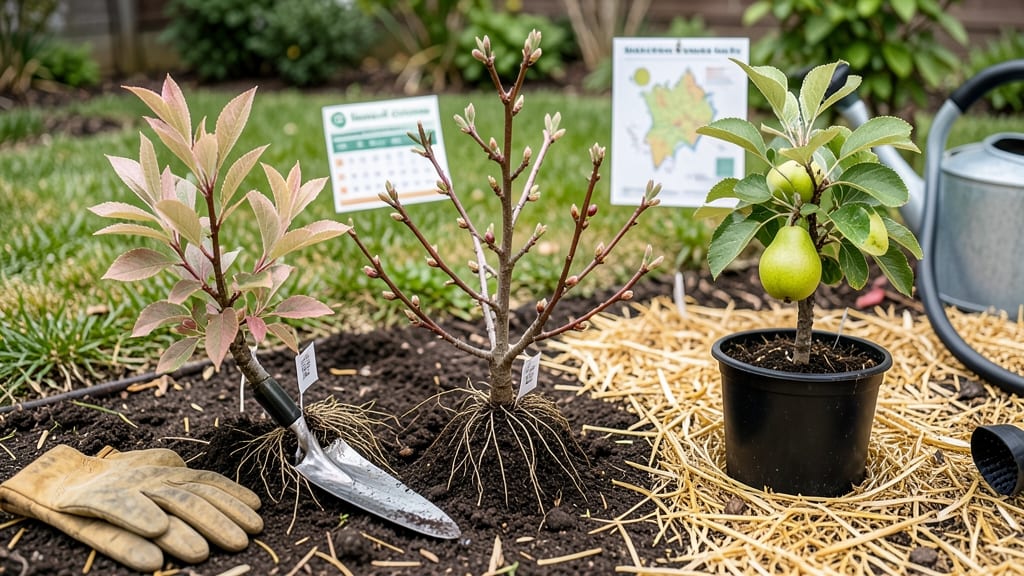
Timing your fruit tree planting in Colorado isn't just about the calendar—it's about surviving the state's dramatic swings from subzero winters to sudden heatwaves. Miss the window by even a few weeks, and your sapling could face frost damage or drought stress before it gets a chance to root.
I’ve spent years watching fruit trees thrive (and fail) across Colorado’s USDA Zones 4-7, and the difference often comes down to planting at the right moment.
Whether you’re in Denver’s urban heat islands or the cooler high country near 10,000 feet, knowing when to dig that hole means the difference between a bountiful harvest and a sad, stunted tree.
In this guide, I’ll break down the exact months to plant—from late winter for bare-root trees to early spring for container-grown varieties—and how to adjust for Colorado’s unpredictable weather.
You’ll also discover which fruit trees handle our short growing season best, so you can pick the perfect variety for your microclimate.
Ready to plant with confidence? Let’s dive into the deadlines, tricks, and varieties that’ll help your fruit trees take root—and flourish—no matter where you live in Colorado.
Colorado USDA zones 4-7: exact planting windows for fruit trees (with microclimate adjustments)
Colorado’s USDA Zones 4-7 create a complex puzzle for fruit tree planting, where elevation shifts deadlines dramatically. A peach tree in Denver (Zone 5) needs a different timeline than an apple tree in Grand Junction (Zone 7).
Even within zones, microclimates—like urban heat islands or windy mountain slopes—demand adjustments of 2-4 weeks from the average.
Most Colorado gardeners target late winter to early spring (February through April) for planting, but the exact month depends on your zone. Zone 4 (e.g., Steamboat Springs) requires earlier planting to avoid late frosts, while Zone 7 (e.g., Pueblo) can extend deadlines into April safely.
The key is planting 4-6 weeks before your last expected frost, but not so early that roots freeze.
For bare-root trees, the window is narrower: plant as soon as soil is workable (usually March in Zone 4, February in Zone 7). Container-grown trees offer flexibility—you can plant them 2-3 weeks later since their roots aren’t dormant.
However, avoid planting when soil is waterlogged or still frozen.
Here’s how elevation complicates timing: Every 1,000 feet gain in altitude can delay planting by 1-2 weeks. A tree planted at 6,000 feet (e.g., Colorado Springs) may need to wait until mid-April, while the same variety at 8,000 feet (e.g., Leadville) should go in by late March.
Use your local CoCoRaHS station data to refine your schedule.
Colorado’s chill-hour requirements also influence timing. Apples and cherries need 500-1,000 chill hours, so planting too late in warm microclimates (like Zone 7’s Front Range) can starve them of dormancy. Peaches and plums, needing 300-500 chill hours, are more forgiving but still benefit from early planting.
🌱 Pro Tip: Test soil temperature with a soil thermometer—ideal planting temps are 40–50°F. If your yard is windy or exposed, plant on the lee side of a fence or building to protect young trees from drying winds.
🌳 Colorado Fruit Tree Planting Windows by USDA Zone
| Zone | Elevation Range | Bare-Root Window | Container-Grown Window | Key Varieties |
|---|---|---|---|---|
| 4 (e.g., Steamboat Springs) | 6,000–7,500 ft | Late March–early April | April–mid-May | ‘Freedom’ apple, ‘Montmorency’ cherry |
| 5 (e.g., Denver, Fort Collins) | 5,000–6,500 ft | Mid-March–April | March–late April | ‘Honeycrisp’ apple, ‘Reliance’ peach |
| 6 (e.g., Colorado Springs) | 4,000–5,500 ft | February–March | February–April | ‘Haralson’ pear, ‘Lapins’ plum |
| 7 (e.g., Pueblo, Grand Junction) | 3,500–4,500 ft | January–February | January–March | ‘Elberta’ peach, ‘Redhaven’ cherry |
⚠️ Adjust 1–2 weeks earlier for high-elevation sites or late-spring frost-prone areas.
If you miss the ideal window, don’t panic—fall planting (September–October) is a viable backup for container-grown trees, provided soil temps stay above 50°F. However, avoid fall planting in Zone 4, where early frosts can damage tender roots.
For bare-root trees, fall planting is risky unless your area has consistent soil temps above 40°F.
Colorado’s arid climate adds another layer: newly planted trees need deep watering every 7–10 days until roots establish (usually 1–2 years). Mulch with 3–4 inches of straw or wood chips to retain moisture and regulate soil temperature. In Zone 7’s drier pockets, consider drip irrigation to prevent stress.
For stone fruits (peaches, plums, cherries), prioritize planting in Zone 5–7, where they thrive with adequate chill hours. In Zone 4, opt for cold-hardy varieties like ‘Montmorency’ cherry or ‘Honeygold’ gou
How to choose the perfect planting month based on Colorado’s unpredictable weather patterns
Colorado’s weather can shift faster than a mountain breeze, making planting timing a high-stakes game. While USDA zones give you a baseline, your local microclimate—like urban heat pockets or windy valleys—can push deadlines earlier or later.
For example, Denver’s urban areas might warm up 2 weeks faster than rural Front Range zones.
Start by checking your last frost date, but don’t rely solely on averages. In Zone 5, last frost can range from April 15 to May 10—that’s a 3-week window of uncertainty.
Plant too early, and a late frost will kill tender roots; too late, and your tree won’t establish before summer heat arrives.
Here’s my foolproof method: Monitor soil temperature. Use a soil thermometer (or your finger—if it’s warmer than 50°F at 4 inches deep), and wait until the ground thaws consistently for 3–5 days. This beats guessing based on air temperature alone.
Watch for these red-flag weather signs that scream “delay planting!”:
- Late snowstorms (even in May)
- Unusual cold snaps (like the 2021 Memorial Day freeze that caught many off guard)
- Prolonged wet, cold springs that delay soil warming
If you miss the ideal window, don’t panic. Bare-root trees can handle late planting better than container-grown ones—just add extra mulch and water deeply to protect roots. For container trees, plant in early fall (September) instead, giving roots time to establish before winter.
Pro tip: Plant on a cloudy day to reduce transplant shock. If rain is forecast, hold off—waterlogged soil can suffocate young roots. And always stake your tree if winds are strong in your area (think: Eastern Plains vs. Western Slope).
Remember, Colorado’s short growing season means every day counts. Adjust your timeline based on your specific location, not just the zone. When in doubt, plant early—trees recover better from cold than from drought.
⚠️ Late Planting Risks
Missed window? Your tree may struggle with shallow roots, heat stress, or poor fruit set next year. In Zone 7 (Southern CO), planting after April 30 risks summer drought before roots establish.
Solution: Use drip irrigation and mulch heavily (4–6 inches) to retain moisture.
For high-elevation areas (8,000+ ft), like Fort Collins or Steamboat Springs, shift planting 2–3 weeks later than lower zones. These areas often see late frosts into June, so wait until soil temps hit 55°F consistently.
Finally, keep a planting journal for 2–3 years to track what works in your yard. Note adjustments like earlier/later planting, survival rates, and first fruit production. Your data will become more valuable than any zone chart!