
Plants
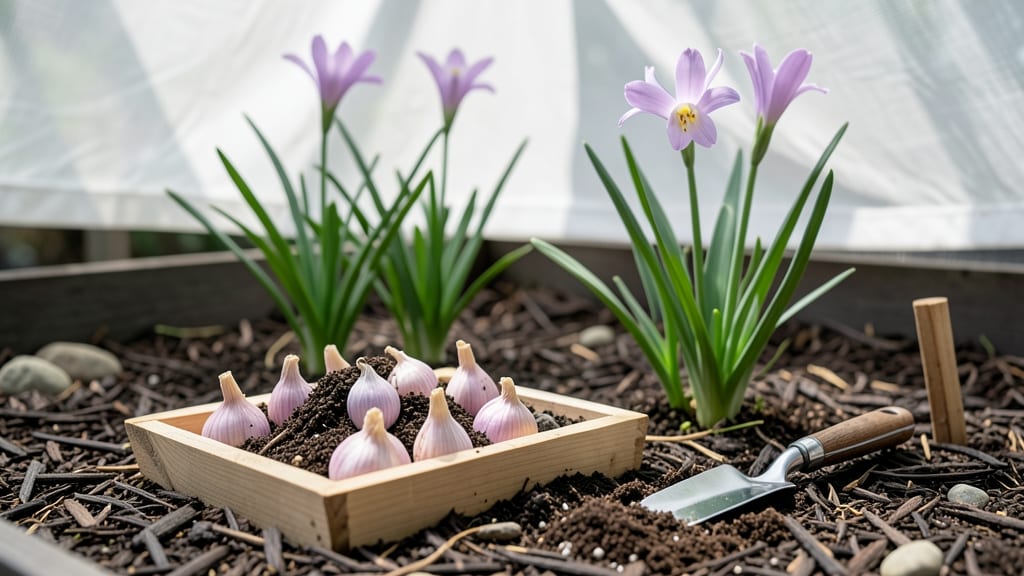
Timing the planting of freesias in the UK is the secret weapon to unlocking their stunning 🌸 blooms—just when your garden needs a splash of color. Get it right, and you’ll enjoy fragrant, vibrant flowers stretching from late spring to early summer.
But miss the window, and you might end up with disappointed stems instead of show-stopping displays.
Most UK gardeners swear by planting freesias in late winter to early spring—typically between February and March—when the soil warms enough to support growth. The key is avoiding frost, which can damage delicate corms, while also giving them enough time to establish roots before summer’s heat arrives.
Whether you’re in milder southern regions or cooler northern areas, small adjustments can make all the difference.
If you’re new to freesias, don’t stress—this guide will walk you through the exact steps to time your planting for success. We’ll cover soil prep, weather watch, and even how to tell when your freesias are ready to burst into bloom.
By the end, you’ll know exactly when to plant for a garden that smells as good as it looks.
Ready to transform your garden into a fragrant paradise? Let’s dive into the perfect planting schedule for your freesias—so you can enjoy their beauty from May through June without a hitch.
Ideal UK planting months for freesias: a seasonal breakdown
Timing your freesia planting in the UK is all about balancing the last frost date with soil warmth. March and April are the sweet spot for most regions, but northern areas may need to wait until late April to avoid frost damage.
Freesias thrive on 180 frost-free days, so southern gardens can start earlier.
For spring blooms, plant corms in late winter to early spring (February-March) once soil temperatures hit 10°C (50°F). This ensures roots establish before summer heat arrives. Autumn planting (September-October) is also possible for winter blooms, but requires careful timing to avoid early frosts.
In southern England, milder winters mean you can plant as early as February, while Scotland and northern England should wait until late April. Always check your local frost forecast—freesias won’t tolerate temperatures below 5°C (41°F).
🌸
| Month | Planting Window | Soil Temp | Regional Notes |
|---|---|---|---|
| February | Early planting (south only) | 10-12°C (50-54°F) | Risky in north; wait for warmer soil |
| March | Prime time for all regions | 12-15°C (54-59°F) | Ideal for UK-wide planting |
| April | Last chance for spring blooms | 15-18°C (59-64°F) | Best for northern areas |
| September | Autumn prep for winter blooms | 10-12°C (50-54°F) | Cover with mulch to protect |
| October | Late autumn planting (risky) | 8-10°C (46-50°F) | Only in sheltered microclimates |
Use a soil thermometer to confirm readiness—freesias need warm soil to sprout. If your garden stays cool, consider container planting near walls or fences to capture extra heat. Well-draining soil is non-negotiable; freesias rot in soggy conditions.
For container gardeners, plant 4-6 corms per 15cm pot in March-April. Containers warm up faster than ground soil, giving you a 2-week head start in cooler areas. Just ensure pots have drainage holes to prevent waterlogging.
If you miss the spring window, don’t despair—autumn planting (September) can still work for winter blooms. The key is protecting corms with mulch or fleece once temperatures drop below 10°C (50°F). This mimics their natural dormancy cycle in South Africa’s winter.
🌿
Always test your soil’s drainage before planting. Dig a 15cm hole, fill it with water, and time how long it takes to drain. If it’s still wet after 30 minutes, amend with sand or perlite. Freesias hate wet feet—this simple test prevents rot and mold.
Pro tip: Mark your planting dates on a calendar and note the first bloom date. This helps you adjust next year’s schedule for peak summer color. With perfect timing, your freesias will reward you with fragrant blooms from May to July.
How to time freesias for peak summer blooms: soil and weather signals
Timing your freesias for summer blooms isn’t just about calendar dates—it’s about reading your garden’s signals. In the UK, where spring arrives unpredictably, I rely on soil temperature and frost forecasts to decide when to plant.
Freesias thrive when soil reaches 10°C (50°F), signaling it’s safe to plant corms without frost damage.
Check soil temperature with a simple thermometer or press your finger into the ground—if it feels cool but not icy, it’s likely ready. In southern UK regions, this usually aligns with late March to early April, while northern areas may need to wait until mid-April.
Before planting, I always prepare freesia corms by soaking them in lukewarm water for 24 hours. This kickstarts growth and ensures they’re ready to sprout once in the ground. Plant them 2 inches deep and 3-4 inches apart in well-draining soil—freesias hate soggy roots!
For container gardening, use pots with drainage holes and fill them with a mix of compost and grit to improve drainage. Place containers in a south-facing spot or under grow lights if natural sunlight is limited.
Containers warm up faster than garden beds, so you can plant them 1-2 weeks earlier than outdoor beds.
After planting, I mulch around the base with organic matter to retain moisture and regulate soil temperature. This is especially helpful in cooler UK regions where soil stays chilly longer. Water lightly but consistently—freesias need moist but not waterlogged soil to thrive.
Finally, keep an eye on local weather forecasts for late frosts. If a cold snap is predicted, cover young plants with fleece or cloches to protect them. With the right timing and care, your freesias will reward you with fragrant, vibrant blooms from June to August.