
Plants
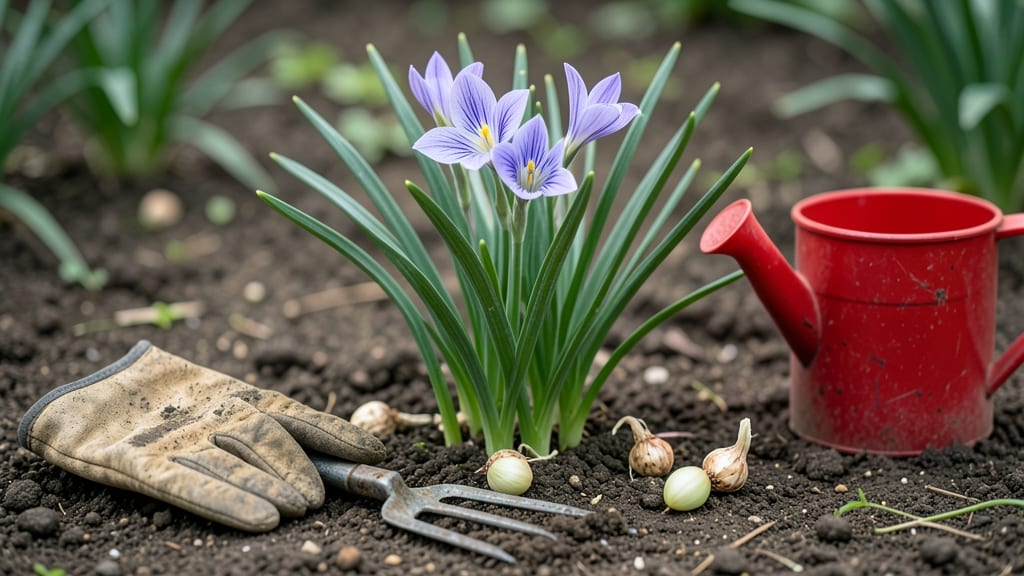
Planting freesias in Melbourne at the wrong time can mean the difference between a garden bursting with fragrant 🌸 blooms and wasted bulbs. The key isn’t just about the calendar—it’s about soil temperatures and avoiding those sneaky late frosts that love to creep into September.
I’ve learned the hard way that timing these delicate flowers right is the secret to vibrant summer displays.
Melbourne’s 9b climate gives us a narrow window—August through early September—to get freesias in the ground before summer’s heat takes over. Too early, and frost zaps your bulbs; too late, and your plants might struggle to establish roots before the real warmth arrives.
The trick is watching for that sweet spot when soil temps hit 10–15°C, signaling it’s finally safe to plant.
What makes this even trickier is Melbourne’s microclimates—coastal areas stay cooler longer, while inland spots can bake faster. That’s why I’ll break down exactly when to plant in your specific zone, plus how to prep your soil and care for your freesias so they thrive.
Let’s make sure your garden gets the show-stopping blooms you’re dreaming of.
You’ll also discover how to spot the signs of planting too soon or too late, and what to do if you’ve missed the ideal window. With the right approach, even late starters can coax beautiful freesias to bloom—just like the pros do.
Ready to turn your garden into a fragrant paradise?
Melbourne’s ideal freesia planting windows by season (soil temp guide)
Melbourne’s variable climate makes timing critical for freesias (🌸). The perfect window balances soil warmth (10–15°C) with frost avoidance. Coastal areas like St Kilda enjoy milder conditions, while inland Sunbury faces harsher frosts. Let’s break down the optimal months and what to watch for.
Freesias thrive when planted in spring (August–September), but autumn plantings (May–June) can work in frost-free zones. The key? Soil temperature must stay above 10°C for roots to establish. Use a soil thermometer to check—if it’s cooler, wait.
Here’s how Melbourne’s microclimates affect your schedule:
| Factor | Spring Planting (Aug–Sep) | Autumn Planting (May–Jun) |
|---|---|---|
| Soil Temp | 12–15°C (ideal) | 10–12°C (risky) |
| Frost Risk | Low (post-Aug 15) | High (May–Jun) |
| Success Rate | 90% (coastal), 75% (inland) | 50% (coastal), 30% (inland) |
| Flowering Time | Oct–Nov (peak) | Dec–Jan (delayed) |
| Best For | First-time growers | Experienced gardeners |
For coastal Melbourne (e.g., Brighton), July plantings are safer due to warmer ocean breezes. Inland areas like Melton should delay until late August to avoid late frosts. Always chit bulbs (pre-sprout indoors) 6–8 weeks before planting to jumpstart growth.
Soil prep is non-negotiable. Freesias hate soggy roots, so amend clay soil with sand or perlite to improve drainage. A sunny, sheltered spot (like near a north-facing fence) protects them from winter winds.
If you’re in a low-lying area (e.g., Dandenong Ranges), plant in raised beds to prevent waterlogging. These areas often retain cold air, delaying soil warming. Use a black plastic mulch to absorb heat and speed up root establishment.
Pro tip: Plant freesias after your neighbor’s daffodils bloom—this signals safe soil temps. Daffodils are frost-hardy and reliable indicators of warming soil. Pair freesias with tulips or irises for a low-maintenance border.
Watch for false starts in September. If shoots appear but die back after a cold snap, cover with horticultural fleece until temps stabilize. Patience pays off—freesias planted in early August often outperform those sown later.
🌱
Melbourne’s ideal freesia planting windows by season (soil temp guide)
Melbourne’s cool coastal climate and inland heatwaves create two distinct planting zones for freesias. Coastal areas like St Kilda and Brighton can plant earlier, while inland suburbs like Melton or Sunbury must wait for warmer soil.
The key trigger? Soil temperatures between 10–15°C—freesias won’t sprout in colder soil, and hotter soil can stress bulbs.
For peak blooms in October–November, aim to plant bulbs when daytime temperatures consistently reach 15°C. In Melbourne, this typically falls between mid-August and early September. Coastal areas may start as early as late July, while inland regions should wait until late August to avoid frost damage.
Spring planting (August–September) yields larger, healthier blooms because freesias thrive in cool-to-warm transitions. Autumn planting (March–April) is possible but rare in Melbourne’s climate—bulbs often rot before flowering due to high humidity and warm soil.
If you’re in a warmer microclimate (e.g., Dandenong Ranges), test soil temps with a soil thermometer—aim for 12°C+.
Pro tip: Use black plastic mulch to warm soil faster in inland areas. This can shave 1–2 weeks off your planting timeline by raising soil temps by 5–10°C. Just remove it once shoots appear to prevent overheating.
Melbourne’s unpredictable frosts (like the September 2023 cold snap) can devastate early plantings. To hedge your bets, chit your bulbs indoors 4–6 weeks before planting—this jumpstarts growth so they’re 2–3 inches tall by frost risk dates. Use a bright, cool windowsill (not direct sun) to avoid leggy sprouts.
For container gardening, plant 2–3 bulbs per 10cm pot in well-draining mix (50% potting soil, 50% perlite). Containers warm up faster than garden beds, so you can plant 1–2 weeks earlier than in-ground. Just move pots to a sheltered spot if late frosts are forecasted.
Remember: Freesias need 6+ hours of sun daily to bloom. If your garden is shady, opt for white or pale freesia varieties—they tolerate partial shade better than deep colors. In Melbourne’s south-facing gardens, plant freesias near east- or west-facing walls to maximize sunlight exposure.