
Flowers
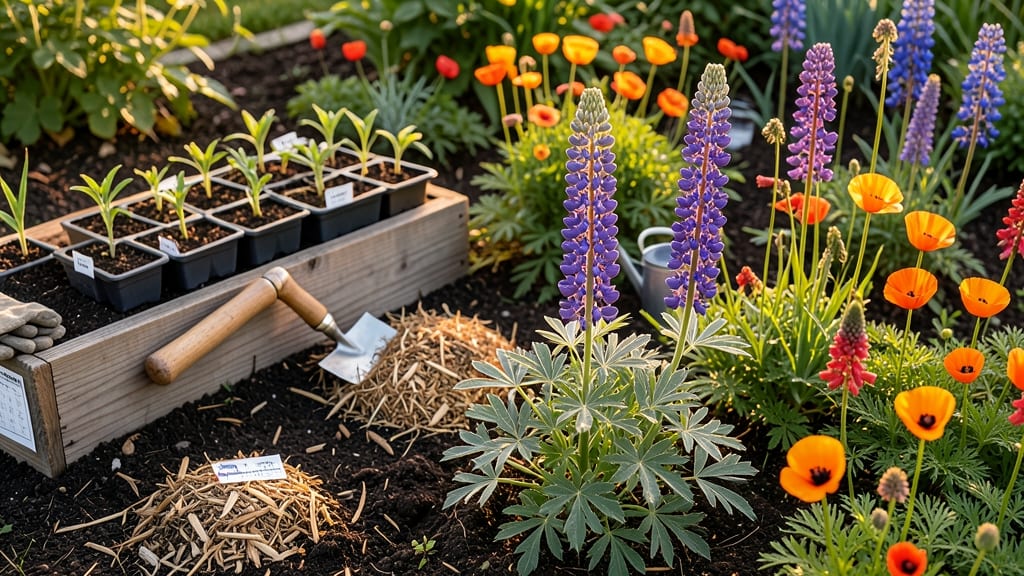
Timing is everything when it comes to planting flowers in Idaho—get it wrong, and your garden could miss its prime blooming season entirely. Idaho’s unique climate, with its high desert valleys and mountainous regions, creates microclimates where frost dates can shift by weeks between Boise and Coeur d’Alene.
Whether you’re dreaming of vibrant 🌸 daffodils in spring or hardy petunias that thrive in summer, knowing the exact window to plant is the key to success.
Most Idaho gardeners aim for March to May for spring bloomers or August to September for fall varieties, but the real magic happens in understanding your specific USDA zone.
In this guide, I’ll break down the frost-free timeline for Idaho’s Zones 5B-7B, so you can avoid common mistakes like planting too early in cold pockets or missing the ideal soil temperature.
You’ll also discover how to extend your blooming season with simple tricks that work even in Idaho’s unpredictable weather.
Ready to transform your garden into a year-round showstopper? Let’s dive into the perfect planting schedule tailored just for Idaho’s diverse landscapes.
Idaho flower planting calendar by USDA zone 5B-7B
Timing is everything when planting flowers in Idaho, where USDA Zones 5B-7B create wildly different growing conditions. In Boise’s Zone 7B, you might plant marigolds by mid-April, while Coeur d’Alene’s Zone 5B gardeners wait until late May for the same variety.
Understanding these frost-free dates ensures your annuals, perennials, and bulbs thrive—not just survive.
Idaho’s last spring frost typically arrives between mid-April and early May, but mountainous regions like Sandpoint can delay this by weeks. Meanwhile, the first fall frost hits mid-October to early November, forcing tender annuals like petunias to retire by September.
Let’s break down the optimal planting windows for each zone to maximize your garden’s potential.
| Zone & Location | Last Frost Date | First Frost Date | Spring Planting Window | Fall Planting Window |
|---|---|---|---|---|
| Zone 5B (Sandpoint, Ketchum) | May 15–20 | October 1–10 | May 1–June 15 | August 1–September 15 |
| Zone 6A (Moscow, Lewiston) | April 25–May 5 | October 10–20 | April 15–May 30 | August 15–September 25 |
| Zone 7A (Boise, Meridian) | April 10–20 | October 20–November 1 | March 20–May 15 | August 20–October 1 |
| Zone 7B (Twin Falls, Nampa) | April 1–10 | November 1–10 | March 1–May 10 | August 25–September 30 |
For cool-season flowers like pansies and snapdragons, you can start seeds indoors as early as February in Zone 7B, while warm-season favorites such as geraniums and zinnias should wait until after your area’s last frost date.
In Zone 5B, hold off on planting tender perennials like lavender until late May to avoid late spring frosts.
Bulbs like daffodils and tulips are exceptions—they thrive when planted in fall (September–October), giving their roots time to establish before winter. Meanwhile, summer-blooming bulbs such as dahlias should wait until after Memorial Day in most of Idaho to avoid root rot from cold, wet soil.
Pro tip: Use frost cloth to extend your spring planting window by 2–3 weeks for heat-loving annuals like marigolds or cosmos. This is especially useful in Zone 5B, where summers are short but intense. Just remove the cloth once nighttime temperatures consistently stay above 50°F.
In Zone 7B, you can even squeeze in a fall planting of cool-season annuals like calendulas or stock as late as September 15, provided you use row covers for early frosts.
The key is monitoring your local microclimate—a south-facing slope in Boise may warm up faster than a valley garden in Coeur d’Alene.
Don’t forget to prep your soil 4–6 weeks before planting. In Idaho’s alkaline soils, amend with compost and sulfur to lower pH for acid-loving flowers like azaleas or hydrangeas. Test your soil in early spring to adjust nutrients before your first transplants go in.
For container gardening, you have more flexibility—just wait until after the last frost and place pots in protected spots (like near walls) to shield them from unpredictable late frosts. This works especially well for petunias or begonias, which can’t tolerate below 40°F.
Track your local frost dates using resources like the Old
Best flowers to plant in Idaho by season (cold-hardy vs. tender varieties)
Idaho’s short growing season and variable frost dates demand smart flower choices. Cold-hardy perennials thrive in USDA Zones 5B-7B, while tender annuals need warm soil and frost protection. Let’s match your blooms to Idaho’s four distinct seasons for maximum impact.
For spring planting (March-May), prioritize cold-tolerant bulbs like daffodils and hardy perennials such as coneflowers. These handle late frosts while tender annuals like petunias wait until after May 15 in most regions.
🌸
🌿 Spring Planting (March-May)
- Daffodils (🌱 Bulbs)
- Coneflowers (✂️ Perennials)
- Lupines (🌿 Native Wildflowers)
Plant 3-4 weeks before last frost for early blooms.
- Petunias (🌸 Wait for soil warmth)
- Marigolds (☀️ Direct sow after frost)
- Zinnias (🌻 Fast-growing)
Start indoors or wait until May 15 in most zones.
☀️ Summer Planting (June-August)
- Black-Eyed Susans (🌻 Drought-resistant)
- Sunflowers (🌻 Fast-growing)
- Lantana (🌿 Thrives in heat)
Plant after June 1 for late-summer blooms.
- Frost-sensitive impatiens
- Cold-loving pansies (wait for fall)
Skip heat-stressed flowers unless using shade.
🍂 Fall Planting (August-September)
- Chrysanthemums (🌼 Late bloomers)
- Pansies (🌷 Thrives in cool weather)
- Calendula (🌻 Edible blooms)
Plant 6-8 weeks before first frost for color.
- Blanket Flower (🌻 Drought-tolerant)
- Yarrow (🌿 Pollinator magnet)
Perfect for low-maintenance fall gardens.
Native Idaho wildflowers like lupines and blanket flowers are drought-resistant and pollinator-friendly, making them ideal for low-water gardens. Pair them with cold-hardy perennials like Russian sage for year-round interest.
For container gardening, choose compact varieties such as bachelor’s buttons or dwarf marigolds. These thrive in limited space and can be moved indoors before first frost to extend their lifespan.
🌷