
Plants
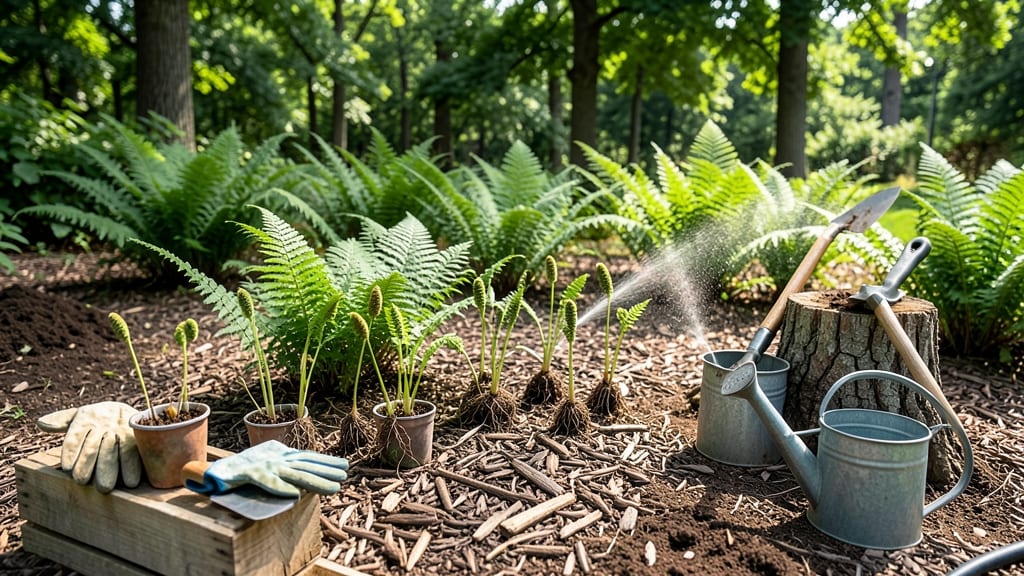
Timing your fern planting in Michigan just right means the difference between lush, thriving 🌿 foliage and struggling fronds that never quite take off. Michigan’s 5b-6b climate zones give you a narrow window—typically between April and May—when soil warmth and moisture align perfectly for these shade-loving plants.
I’ve seen too many gardeners rush planting because they think "spring" is a single month, only to watch their ferns wilt when late frosts hit. The key is waiting until after your last frost date—usually mid-April—but before summer’s intense heat sets in.
This 2-week window is your best shot at establishing roots without stress.
What makes Michigan fern care unique? Unlike sun-loving plants, ferns demand partial shade and consistently moist soil, which can be tricky with our variable rainfall. I’ll show you how to prep your garden—whether in containers or ground beds—to create the ideal microclimate for these delicate but hardy plants.
Ready to transform your shady spots into year-round green havens? Let’s dive into the exact steps to plant ferns at the perfect time, plus the top 3 Michigan-friendly varieties that thrive with minimal fuss. Your garden’s next star might be just a few weeks away!
Best time to plant ferns in Michigan’s climate zones
Michigan’s USDA hardiness zones 5b-6b mean ferns can handle our winters, but timing their spring planting is everything. The ideal window is after your last frost date—typically mid-April to early May—when soil temperatures reach 50°F (10°C). This ensures roots establish before summer heat arrives.
Early springs? Don’t rush—wait until soil is workable (not muddy) and nighttime temps stay above 50°F (10°C). Southern Michigan (zone 6b) can plant 1-2 weeks earlier than the Upper Peninsula (zone 5b), where frosts linger longer.
For fall planting, aim for late August to early September. This gives roots time to anchor before winter dormancy. Just avoid planting when frost is forecasted within 2 weeks—young ferns won’t survive.
Pro tip: Use a soil thermometer to confirm 50°F (10°C) soil temps—this is your green light. Cold soil delays root growth and invites rot.
| Zone | Spring Planting Window | Fall Planting Window | Soil Temp Requirement |
|---|---|---|---|
| 5b (Upper Peninsula) | Late April - Early May | Late August - Early September | 50°F (10°C) |
| 6a (Central/Southern) | Mid-April - Late April | Early September - Mid-September | 50°F (10°C) |
| 6b (Southeast) | Early April - Mid-April | Mid-September - Late September | 50°F (10°C) |
🌱 Adjust for microclimates—valleys stay cooler longer!
If you miss the spring window, container planting extends your options. Start ferns indoors in March under grow lights, then transplant after last frost. Just harden them off for 7-10 days before moving outside.
Northern Michigan gardeners should mulch heavily after planting to insulate roots from spring frost. Use 3-4 inches of shredded bark—it regulates soil temps and retains moisture during dry spells.
For urban gardens with limited shade, opt for dwarf varieties like Boston Scepter Fern (mature height: 2-3 ft). They tolerate slightly sunnier spots than larger types.
Remember: Ferns planted in early summer (June) still succeed, but expect slower establishment and less winter hardiness. The earlier you plant, the more time they have to root deeply before Michigan’s hot, dry summers arrive.
🌿 Key takeaway: April-May is prime, but soil temperature > frost dates—always prioritize the thermometer over the calendar!
How to prepare your Michigan garden for fern planting success
Michigan’s cool, moist climate is perfect for ferns, but poor soil prep can stunt their growth or cause browning fronds. Start by testing your soil pH—ferns thrive in acidic to neutral soil (5.0–7.0).
If your soil is too alkaline, amend it with peat moss or compost to lower the pH gradually. Most Michigan gardens benefit from a 2–3 inch layer of mulch after planting to retain moisture and regulate soil temperature.
Choose a shady or partially shaded spot—ferns despise direct afternoon sun, which can scorch their delicate fronds. In southern Michigan (Zone 6b), east-facing or north-facing locations work best, while northern Michigan (Zone 5b) can handle full shade due to cooler summers.
Avoid areas with compacted soil or poor drainage, as ferns need consistently moist but not soggy roots.
If your garden soil is sandy or clay-heavy, mix in organic matter like leaf mold or well-rotted manure to improve water retention and aeration. For container planting, use a lightweight potting mix blended with perlite or orchid bark to mimic their natural, airy habitat.
Containers also allow you to control moisture levels, which is crucial in Michigan’s unpredictable spring rains.
Michigan-Specific Warning: Overwatering Risks
Ferns in containers dry out faster than in-ground plants, but Michigan’s heavy clay soils can suffocate roots if overwatered. Always check soil moisture 1 inch below the surface—if it’s dry, water deeply. Brown fronds often signal root rot from poor drainage, not drought.
Before planting, loosen the soil to a depth of 12 inches to encourage root spread. For woodland ferns like Ostrich Fern, create a mini "microclimate" by planting near decomposing logs or rocks, which mimic their natural habitat.
In urban Michigan gardens, raised beds with shredded bark mulch can replicate this environment effectively.
Timing your watering schedule is just as critical as planting time. Water early in the morning to reduce fungal diseases common in Michigan’s humid summers. Use a drip irrigation system or soaker hose to deliver water slowly and evenly, avoiding wetting the fronds.
During drought-like conditions (unusual but possible in Zone 6b), increase watering to every 3–4 days.
Finally, protect young ferns from late spring frosts (which can occur until mid-May in northern Michiganfrost cloth on cold nights. Once established, ferns are hardy to Zone 3, but first-year plants need extra care.
With the right prep, your ferns will thrive year-round, adding lush texture to your garden’s shady corners. 🌿