
Vegetables
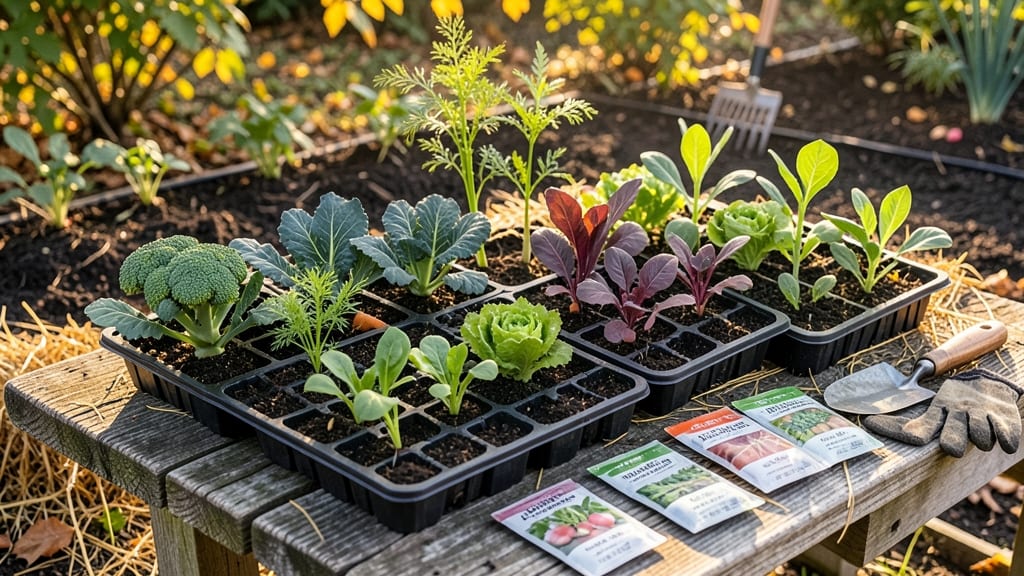
Timing your fall vegetable planting in Ohio can mean the difference between a bountiful harvest and lost crops to early frost. With USDA Zone 6a conditions, knowing exactly when to sow your 🥬 seeds—like kale, carrots, or broccoli—isn’t just helpful, it’s essential for success.
Most Ohio gardeners plant fall vegetables between August and mid-September, but the exact window depends on your county’s heat zone and last frost date. Get it wrong, and you might end up with stunted greens or bolting herbs before they mature.
In this guide, I’ll break down the optimal planting dates for your region, plus tips to extend your growing season with row covers or cold frames. Whether you’re a beginner or a seasoned gardener, these strategies will help you maximize your harvest from October through November.
Ready to turn your Ohio garden into a fall feast? Let’s dive into the county-specific planting schedule that works for your microclimate.
Ohio county heat zones: exact planting dates for fall vegetables by region
Ohio’s diverse climate—ranging from USDA Zone 5a in the north to Zone 6b in the south—means planting times vary dramatically. For a successful fall harvest, I always check my county’s first frost date and adjust accordingly.
Northern Ohio (e.g., Ashtabula, Trumbull) has earlier frosts, while southern Ohio (e.g., Lawrenceburg, Cincinnati) can extend the season by weeks.
Most Ohio gardeners aim to plant cool-season vegetables 4-6 weeks before the first frost. This gives crops like kale, spinach, and carrots enough time to mature before winter sets in.
For example, in Zone 5a, I start seeds in early August, while in Zone 6b, late August to mid-September works better.
Soil temperature is just as critical as air temperature. Cool-season crops thrive in soil between 45°F and 75°F. If your soil is still warm (above 80°F), wait until nighttime temps drop below 85°F before planting. I always test my soil with a soil thermometer—it’s a game-changer for timing.
Here’s a breakdown of ideal planting windows for Ohio’s most popular fall vegetables, organized by heat zone. This table includes both direct sowing and transplanting schedules to maximize your harvest.
For transplants, I always start seeds indoors 4-6 weeks before the recommended transplant date. This gives seedlings a head start and ensures they’re ready when it’s time to move them outdoors.
For example, in Zone 5a, I begin broccoli seeds indoors in June so they’re ready to transplant by mid-July.
If you’re new to fall gardening, lettuce and radishes are the easiest crops to start. They mature quickly (30-45 days), so even a late planting in September can yield a harvest before frost. I’ve had success with ‘Black Seeded Simpson’ lettuce and ‘French Breakfast’ radishes in all Ohio zones.
Pro tip: Use a planting calendar or set reminders for your specific zone. I mark my calendar with the first frost date and count backward to determine when to plant. For instance, if your frost date is October 15, aim to have crops ready to harvest by mid-October.
Don’t forget to harden off seedlings before transplanting. This means gradually exposing them to outdoor conditions over 7-10 days. I start by placing them in a sheltered spot during the day and bringing them in at night, then slowly increase their time outside.
For gardeners in urban areas, microclimates can affect planting times. South-facing walls or paved surfaces can create warmer pockets, extending the growing season by 1-2 weeks. If you’re unsure about your microclimate, observe your garden for a few weeks to note temperature variations.
How to adjust planting for Ohio’s microclimates and frost risks
Ohio’s fall weather is as unpredictable as a rollercoaster—one day it’s sunny, the next you’re shivering under frost. Microclimates (like urban heat islands or sheltered valleys) can shift your planting window by weeks.
For example, Columbus (Zone 6a) might see frost by October 15, while Toledo (Zone 5b) could freeze by October 5. Adjust your schedule by checking your local Almanac frost dates and observing your yard’s unique conditions.
Urban gardeners often face warmer microclimates due to concrete and buildings trapping heat. If you’re in a city like Cincinnati or Cleveland, you can push plantings 1-2 weeks later than rural areas.
Conversely, sheltered valleys (like parts of Appalachian Ohio) may experience frost 10-14 days earlier. Use a minimum thermometer in your garden to track overnight temps—this is your best early warning system.
Row covers are your secret weapon for extending the season. Lightweight frost blankets can protect plants down to 20°F, letting you plant spinach or kale as late as September 20 in most of Ohio. For hardier crops like carrots or radishes, you can even start seeds in late August under cover. Just
Cold-hardy varieties are another game-changer. ‘Winterbor’ kale or ‘Purple Top’ turnip greens thrive in 25-30°F temps, while ‘Red Russian’ kale can handle 15°F with a little mulch. If you’re in Zone 5a (northeast Ohio), prioritize these varieties—they’ll give you harvests when most gardens are frozen solid.
Ohio’s Appalachian regions (e.g., Athens, Zanesville) often see earlier frosts due to higher elevations. If you’re in these areas, start seeds indoors by July 15 for a fall transplant schedule.
Soil temperature matters just as much as air temperature. Cool-season crops like broccoli and cabbage need soil temps between 45-85°F to germinate. Use a soil thermometer—if your soil is below 50°F, wait a few days or use black plastic mulch to warm it up.
In Zone 6b (southern Ohio), you can plant Brussels sprouts as late as September 1, but in Zone 5a, stick to August 15 or earlier.
Don’t forget about succession planting—it’s your safety net for late frosts. Sow small batches of lettuce or peas every 2 weeks from August through September. This way, if an early frost hits, you’ll still have some harvestable plants while others mature later.
For root crops like carrots, stagger plantings to ensure a continuous supply before winter sets in.
Finally, mulch is your best friend in Ohio’s fall garden. Apply 2-3 inches of straw or leaves around plants to insulate roots and retain moisture. This simple step can delay frost damage by 1-2 weeks and keep your soil warm enough for late-season growth.
Just avoid piling mulch against plant stems to prevent rot.