
Plants
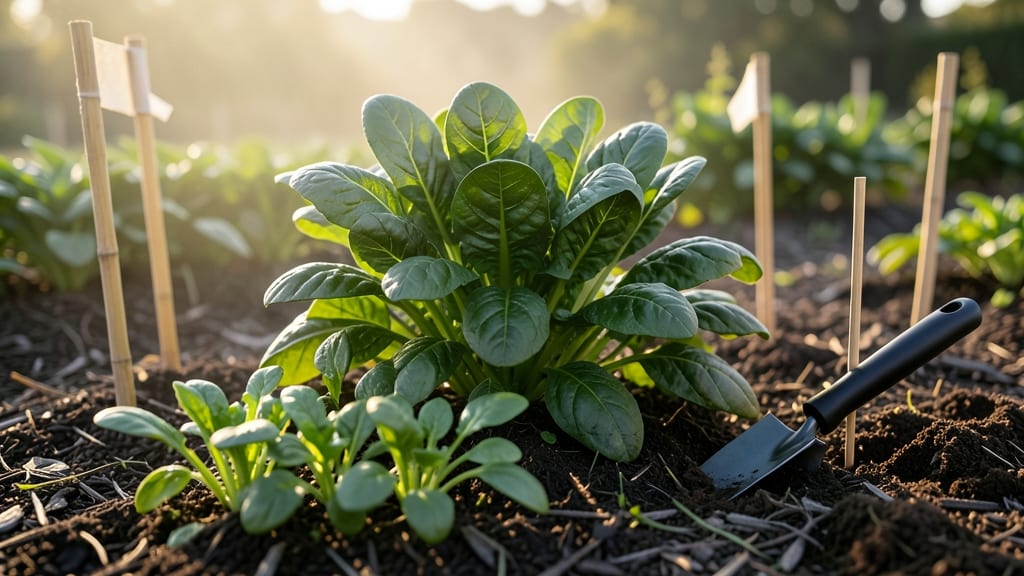
Planting fall spinach in Zone 6 isn't just about tossing seeds in the dirt—it's about timing it perfectly to dodge bitter leaves and frost-killed crops. The sweet spot? A 4-week window before your first frost, which for most of Zone 6a/6b lands between mid-August and early September.
Why does timing matter so much? Spinach 🥬 craves cool weather but bolts (turns bitter) when summer heat lingers. Get it right, and you’ll harvest tender, sweet greens for weeks—even as temperatures drop.
I’ll break down exactly when to plant, how to prep your soil, and what varieties thrive in Zone 6’s unpredictable fall.
Most gardeners overlook one critical detail: soil temperature. Fall spinach needs cooler roots to thrive, so we’ll cover how to test it and adjust planting dates if summer hangs on. Plus, I’ll share my go-to tricks for extending harvests into late October, even when frost looms.
Ready to grow spinach that tastes like a crisp autumn morning? Let’s dive into the exact steps—from seed spacing to frost-proofing your crop—so you can enjoy fresh greens straight from your garden until winter arrives.
Zone 6 fall spinach planting timeline: exact dates for sweet harvests
In Zone 6, fall spinach thrives when planted 4-6 weeks before the first frost. For most areas, this means starting seeds or transplants between mid-August and early September.
The key is balancing cool temperatures with enough daylight to prevent bolting—spinach grows best when nights dip below 75°F and days stay above 50°F.
Your first frost date is the anchor for timing. In Zone 6, the average first frost falls around October 15, but microclimates can shift this by 1-2 weeks. For example, higher elevations may frost earlier, while urban areas with heat retention might delay frost.
Check your local USDA Plant Hardiness Zone Map or consult a frost calendar for your specific county.
Spinach seeds need soil temperatures between 45°F and 75°F to germinate. In late summer, soil can still be warm, so aim for late August plantings when daytime highs drop below 85°F. If you’re transplanting seedlings, wait until soil temps fall below 70°F to avoid stress on young plants.
For a continuous harvest, stagger plantings every 2 weeks starting in mid-August. This ensures you’ll have fresh spinach until 2 weeks before hard frost, when leaves turn bitter. In Zone 6, this typically means harvests from late September through November, depending on frost timing.
🌱 Did You Know? The 4-week pre-frost rule ensures spinach matures before cold snaps. In Zone 6, this translates to a 45-60 day harvest window for most varieties. For faster growth, choose baby leaf types like 'Baby’s Leaf Hybrid,' which mature in just 30 days.
| Stage | Action | Ideal Timeframe |
|---|---|---|
| Soil Prep | Test pH (6.0-7.0), add compost, loosen soil 12" deep | Late July - Early August |
| Seed Starting | Direct sow seeds ½" deep, 2" apart in rows 18" apart | Mid-August - Early September |
| Transplanting | Move seedlings 12" apart, water deeply after transplant | Late August - Mid-September |
| First Harvest | Pick outer leaves when 4-6" tall; avoid cutting more than ⅓ of plant | Late September - Early October |
| Final Harvest | Harvest before hard frost (temps below 20°F); leaves turn bitter | Mid-November (Zone 6 average) |
If you’re unsure about your frost dates, use the 5-4-3 Rule: Count back 5 weeks from your average first frost, then subtract 4 days for cooler microclimates or 3 days for warmer ones.
For example, if your frost is October 20, plant by September 10 for a safe harvest window.
For container gardening, spinach thrives in 5-gallon pots with well-draining soil. Plant seeds 1-2 weeks earlier than in-ground plantings, as containers warm up faster. Move pots to a shadier spot if afternoon temps exceed 80°F to prevent bolting.
Pro tip: Use a row cover to extend your harvest by 1-2 weeks in fall. Lightweight fabric protects young plants from light frosts (28-32°F) while still allowing sunlight. Remove covers during the day to prevent overheating.
Remember, spinach is a cool-season crop, so avoid planting in summer heat (June-July) or it’ll bolt quickly. The ideal window is when daytime highs are 65-75°F and nights drop below 60°F—perfect for Zone 6’s late summer to early fall conditions. 🌿
Zone 6 fall spinach planting timeline: exact dates for sweet harvests
Zone 6 gardeners have a 4-week window before the first frost to plant spinach for fall harvests. The key is timing—sow seeds 4-6 weeks before your average first frost date (typically mid-October in Zone 6).
For most areas, this means starting in late August to early September, ensuring tender leaves mature before hard freezes.
Spinach thrives when soil temperatures drop below 75°F but stay above 40°F. In Zone 6, this usually aligns with late summer heat easing—planting too early risks bolting, while late planting may not yield mature leaves before frost.
Always check your local frost date averages (e.g., October 15 in most of Zone 6) and count backward.
Zone 6 Fall Spinach Planting Summary
| Stage | Action | Notes |
|---|---|---|
| Soil Prep | Test pH (6.0–7.0), amend with compost | Add aged manure for nitrogen |
| Planting Window | Late August–Early September | 4–6 weeks before frost |
| Seed Depth | ½ inch deep, 1–2 inches apart | Thin to 4–6 inches apart |
| Harvest Window | October–November (before hard frost) | Pick outer leaves first |
For Zone 6a (colder microclimates), aim for early September planting to avoid early frosts. In Zone 6b, you can stretch to mid-September but monitor weather forecasts.
Use row covers if nights dip below 30°F to protect young plants. Pro tip: Plant a second succession 2 weeks after the first for extended harvests.
Soil temperature is critical—spinach seeds won’t germinate well above 80°F. Test your soil with a thermometer before planting; aim for 60–75°F. If summer heat lingers, opt for shade cloth until temps drop. Mulch with straw after planting to retain moisture and regulate soil temperature.
Once planted, spinach grows quickly in cool weather—expect 30–45 days to harvest. In Zone 6, this means October harvests are common. For a sweetest flavor, avoid fertilizing heavily before harvest; instead, focus on consistent watering (1 inch per week) and light feeding with compost tea in early fall.
Remember: Frost is your friend for spinach—it sweetens the leaves! Just avoid hard freezes (below 25°F) that kill the plant. With the right timing, you’ll enjoy tender, homegrown spinach well into November. 🥬