
Plants
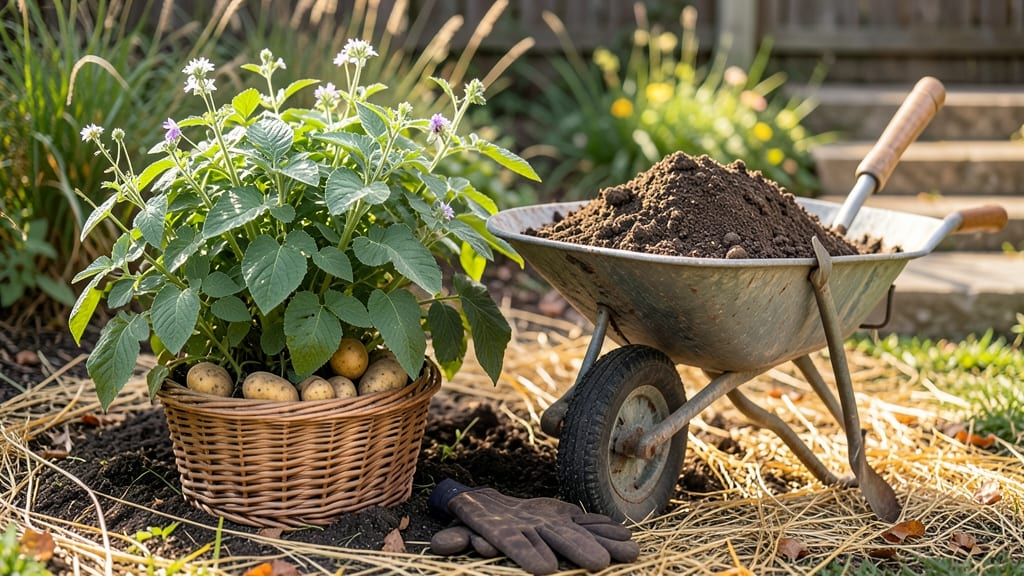
When to plant fall potatoes in Zone 8 could mean the difference between a bumper harvest and a wasted effort. The key? Planting between August and September—but get it wrong, and frost will ruin your crop before you even taste those crisp, golden spuds.
I’ve learned the hard way that Zone 8’s unpredictable weather demands precision. Too early, and your 🥔 plants bolt in the heat; too late, and winter steals your harvest.
The sweet spot? 4-6 weeks before your first frost—usually mid-August to early September—for tubers that mature just in time for October’s cooler air.
Here’s what you need to know: soil prep, the right varieties (like Yukon Gold), and how to protect your crop from late-season chill. Skip these steps, and you might end up with shriveled potatoes—or worse, none at all.
Let’s break it down so you can plant with confidence and pull up a harvest that’ll make your neighbors jealous. Ready to dig in?
Best planting dates for fall potatoes in Zone 8 to avoid frost
In Zone 8, fall potatoes require precise timing to mature before the first frost—typically around November 15. Planting too early risks heat stress, while late planting may leave tubers underdeveloped.
Aim for 4-6 weeks before frost, which usually means mid-August to early September for most of Zone 8.
Zone 8 spans 8a (10-15°F winters) and 8b (15-20°F winters), so adjust your schedule slightly. In 8a, start by late August for a harvest before hard frosts. In 8b, you can push planting to early September for a slightly later harvest.
Soil temperature is critical—potatoes thrive when soil reaches 45-60°F. Test your soil with a thermometer; if it’s above 80°F, wait a week or two to avoid stressing young plants. Cool soil speeds up germination and tuber formation.
For seed potatoes, cut certified tubers into 1.5-inch pieces with at least one eye per piece. Let them sprout in light for 2-3 weeks before planting. This head start ensures faster growth in your short fall season.
If you prefer small seed potatoes, plant them whole 4 inches deep in loose, well-draining soil. Space rows 24-36 inches apart to allow airflow and reduce disease risk. In tight spaces, opt for bush varieties like Red Pontiac or Yukon Gold.
Here’s a quick reference for your planting schedule:
| Zone 8 Sub-Zone | Ideal Planting Window | Soil Temp Goal | Days to Harvest |
|---|---|---|---|
| 8a (10-15°F) | Late August - Early September | 45-60°F | 90-100 days |
| 8b (15-20°F) | Early September | 45-60°F | 80-90 days |
Choose early-maturing varieties like Red Norland or Kennebec for Zone 8’s shorter growing season. These varieties typically mature in 80-90 days, giving you a buffer if frost arrives early. Avoid late-season types like Russet, which need 110+ days to mature.
After planting, keep soil consistently moist but not soggy. Mulch with straw or grass clippings to retain moisture and regulate soil temperature. This is especially important in Zone 8b, where nights can cool quickly in late fall.
Watch for late blight, a fungal disease common in warm, humid fall conditions. Remove affected foliage immediately and avoid overhead watering. If your area has a history of blight, consider resistant varieties like Adirondack Blue or Purple Viking.
With the right timing and care, you’ll harvest crisp, flavorful potatoes just before winter sets in—no more store-bought spuds! 🥔
How to extend your fall potato harvest before first frost
Fall potatoes in Zone 8 thrive when you give them a fighting chance against early frost. The key is to maximize growth during the limited warm season by using proven techniques like mulching and row covers.
These methods can push your harvest window by 2–4 weeks, ensuring you get crisp, flavorful tubers before winter sets in.
Start by choosing frost-hardy varieties like Yukon Gold or Purple Viking, which tolerate cooler temperatures better than standard types. These varieties mature faster and produce high yields even in late-season plantings. Pair them with succession planting—staggering plantings every 2 weeks in August—so you’re harvesting at different times.
Lays 2–3 weeks of warmth on soil, speeding up sprouting and growth. Remove when plants emerge.
Insulates tubers from 20–25°F temps, protecting them during light frosts. Replenish after rains.
Adds 5–10°F of protection. Secure edges with bricks or soil to prevent wind damage.
Dig new potatoes first (when plants flower), leaving mature tubers in the ground until frost threatens.
Don’t forget to monitor soil temperatures—ideal range for fall potatoes is 60–70°F. If nights dip below 50°F, use frost blankets or move potted potatoes to a sheltered spot. With these tactics, you’ll turn Zone 8’s short growing season into a bountiful potato harvest.
For extra insurance, plant near warm microclimates like south-facing fences or near buildings, where heat radiates at night. Combine this with drip irrigation to keep soil moist without wetting foliage—critical for avoiding late-season diseases like blight.
🌱