
Plants
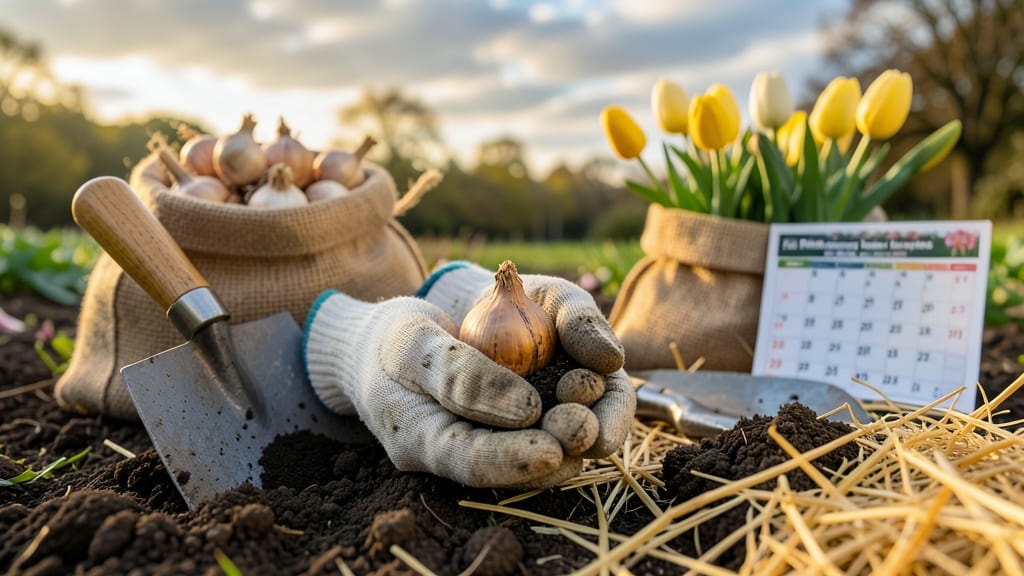
If you've ever wondered when to plant fall bulbs in Zone 4 for that perfect spring showstopper, timing is the secret weapon you need.
Those 6-8 weeks before your first frost aren't just random - they're the magic window where your 🌱 fall bulbs get rooted deep enough to survive winter's chill.
Picture this: you're sipping coffee in April, and suddenly your garden erupts with color from bulbs you planted last fall. That dream becomes reality when you nail the planting schedule, which varies slightly across Zone 4's northern and southern regions.
Too early, and your bulbs might rot; too late, and they won't establish strong roots before winter sets in.
What makes this even more exciting is that you don't need a green thumb to get it right. With the proper soil prep and a few simple care tips, even first-time gardeners can create stunning displays that'll make their neighbors jealous.
Let me show you exactly what to do - from choosing the right bulbs to adjusting for your specific corner of Zone 4.
The best part? This isn't just about pretty flowers - it's about building a garden ecosystem that thrives year after year. Once you master the timing, you'll discover how easy it is to transform your landscape into a springtime masterpiece that keeps giving back for decades. Ready to dig in?
Exact weeks before frost: Zone 4 fall bulb planting calendar
Timing your fall bulbs correctly in Zone 4 means the difference between a vibrant spring garden and wasted effort. The golden window is 6-8 weeks before your first hard frost, but exact dates vary by northern vs. southern Zone 4 climates.
For most of Zone 4, this translates to mid-September to mid-October—but let’s break it down by region.
Northern Zone 4 (e.g., Duluth, MN) has earlier frosts, while southern Zone 4 (e.g., Chicago, IL) can stretch planting later. Check your local frost dates—the USDA Plant Hardiness Zone Map is your best friend here.
Even a 2-week delay can mean bulbs sprouting too early and rotting in cold soil.
Here’s the science-backed rule: Soil temps should be below 60°F (15°C) but not yet frozen. Use a soil thermometer to confirm—this is critical for tulips, daffodils, and alliums, which are especially sensitive to early planting.
Pro tip: If you’re unsure, plant early. Bulbs can wait in the ground for a few weeks, but they cannot survive if planted too late and exposed to frost while still dormant.
| Region | First Frost Date | Planting Window | Key Bulbs to Plant |
|---|---|---|---|
| Northern Zone 4 (e.g., Minneapolis, MN) | Early September 15-20 | Late August to early October | Tulips, Crocuses, Snowdrops |
| Central Zone 4 (e.g., Madison, WI) | September 25-October 5 | Mid-September to mid-October | Daffodils, Alliums, Hyacinths |
| Southern Zone 4 (e.g., Chicago, IL) | October 10-20 | Late September to early November | Fritillaries, Muscari, Late-Blooming Tulips |
🌱 Adjust for microclimates! Sheltered areas can plant 2 weeks later.
If you miss the ideal window, don’t panic. You can still plant bulbs up to 6 weeks before frost, but expect smaller blooms or delayed flowering. For example, daffodils are more forgiving than tulips, which need precise timing for full-size flowers.
Another pro move: Pre-chill bulbs if your fall is unusually warm. Store them in the fridge crisper drawer for 4-6 weeks before planting to mimic winter conditions. This tricks bulbs into thinking they’ve experienced cold, ensuring they’ll bloom on schedule.
For container gardeners, potted bulbs can be planted 2 weeks later than in-ground bulbs since pots insulate slightly. Just ensure containers have drainage holes to prevent rot—this is a common mistake that kills bulbs in Zone 4’s wet springs.
Finally, mark your calendar for next year! Use stakes or flags where you plant bulbs to remember their locations. In spring, you’ll thank yourself when those first bright blooms push through the snow.
Ready to dive deeper? Next, we’ll cover the top 10 cold-hardy bulbs that guarantee reliable blooms in Zone 4’s harsh winters—plus which varieties to avoid if deer are a problem in your area. 🌷
Exact weeks before frost: Zone 4 fall bulb planting calendar
Zone 4’s first hard frost typically arrives between September 15-25, but exact timing varies by northern vs. southern areas. For reliable spring blooms, aim to plant 6-8 weeks before frost—that’s mid-September to mid-October for most of Zone 4. This window ensures bulbs establish roots before winter dormancy.
Northern Zone 4 (e.g., Minneapolis, Marquette) leans toward earlier planting (late August to early September), while southern areas (e.g., Chicago, Cleveland) can wait until mid-to-late September. Use your average frost date as your guide—check the USDA Plant Hardiness Zone Map for precision.
⚠️ CRITICAL: Planting too early risks rot from warm, wet soil, while late planting means bulbs won’t root deeply enough to survive winter. Balance is key!
| Bulb Type | Best Planting Window | Weeks Before Frost | Notes |
|---|---|---|---|
| Tulips | Mid-September | 6-8 weeks | Plant early for deep roots; avoid soggy soil. |
| Daffodils | Late September | 5-7 weeks | Deer-resistant; tolerate colder soil. |
| Crocuses | Early October | 4-6 weeks | Early bloomers; plant shallow (2x bulb height). |
| Alliums | Mid-September | 6-8 weeks | Drought-tolerant; great for pollinators. |
For northern Zone 4, start by late August—soil cools faster, reducing rot risk. In southern Zone 4, hold off until mid-September to avoid early frosts. Pro tip: Use a soil thermometer—ideal planting temps are 40-50°F.
Adjust for early frosts by planting 1-2 weeks sooner in high-altitude areas (e.g., Duluth, WI). Conversely, delay by 1 week in milder microclimates near Great Lakes shorelines, where water moderates temps.
Once planted, mulch with 2-3 inches of straw or leaves to insulate bulbs through winter. This extra layer prevents soil heaving and protects tender roots from freeze-thaw cycles—critical for Zone 4’s harsh winters.