
Plants
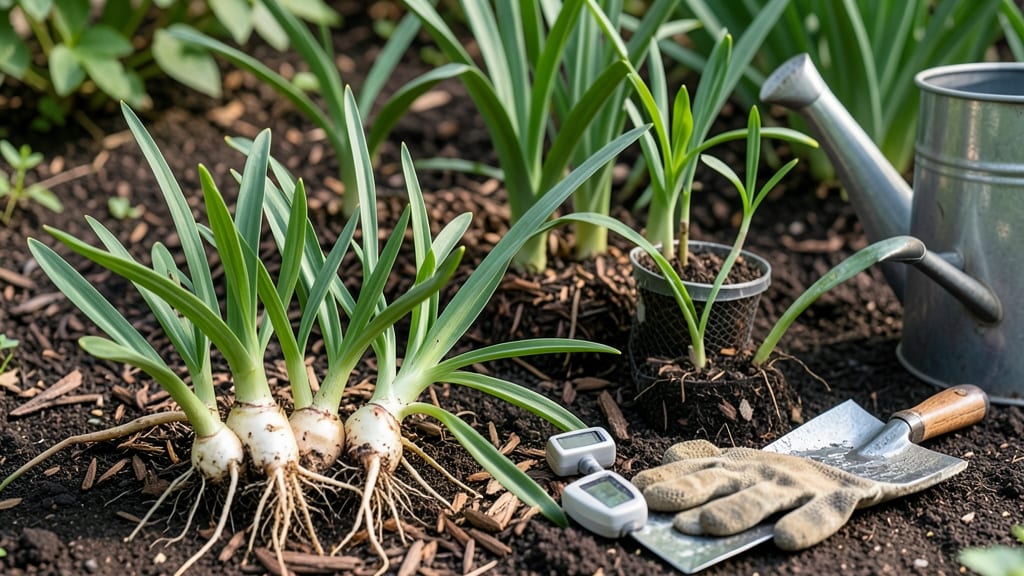
If you’ve ever struggled to plant daylilies in Texas and keep them thriving in the state’s extreme heat and occasional freezes, timing is the key to success. Planting these hardy perennials at the wrong moment can mean missed blooms or stunted growth—so getting the schedule right makes all the difference.
Texas gardeners know the drill: blistering summers and unpredictable winters demand smart planning. The best windows to plant daylilies are September through November or February to March, aligning with the state’s 8a-10b zones to avoid heat stress or winter dieback.
Why does timing matter so much? Fall planting gives roots time to establish before winter, while spring planting ensures they’re ready for summer’s relentless sun. I’ll break down the exact deadlines—like planting 4-6 weeks before your first frost—so your daylilies bloom like clockwork.
Ready to transform your garden into a year-round display of vibrant 🌸 daylilies? Let’s dive into the Texas-specific strategies that’ll keep them flourishing no matter the season.
Texas heat zones: best planting months for daylilies by region
Texas spans USDA zones 8a–10b, meaning daylilies thrive year-round—but timing is everything. Plant too early, and summer heat zaps roots; too late, and winter stress sets in. Let’s break down the perfect planting windows for each Texas region to ensure vibrant, long-lasting blooms.
Daylilies are heat-tolerant champions, but they still need time to establish roots before Texas’s brutal summers or unexpected freezes. In North Texas (zones 8a–8b), aim for September–October or February–March. In Central Texas (zones 8b–9a), stretch your window to August–November or January–March.
For South Texas (zones 9b–10b), you can plant almost year-round, but September–October and February–March are ideal for peak performance.
Why these months? Fall planting gives roots time to settle before summer heat, while spring planting avoids winter stress. In East Texas (humid), prioritize well-draining soil to prevent root rot. In West Texas (dry), mulch heavily to retain moisture.
Here’s a quick region-by-region breakdown to simplify your planning:
| Region | USDA Zone | Best Planting Months | Key Consideration |
|---|---|---|---|
| North Texas | 8a–8b | Sep–Oct, Feb–Mar | Avoid summer heat stress |
| Central Texas | 8b–9a | Aug–Nov, Jan–Mar | Watch for early freezes |
| South Texas | 9b–10b | Sep–Oct, Feb–Mar | Year-round possible with care |
| West Texas | 8a–9a | Sep–Oct, Feb–Mar | Mulch heavily for moisture |
| East Texas | 8a–9a | Sep–Oct, Feb–Mar | Improve soil drainage |
Pro tip: Use local frost dates as your guide. For example, in Dallas (zone 8a), plant by October 15 to avoid winter stress. In Houston (zone 9a), you’ve got until November 1.
Check your first frost date and plant 4–6 weeks before to give roots time to anchor.
Microclimates matter! A Hill Country garden may need earlier planting than a Gulf Coast yard. Observe your yard’s sun exposure and wind patterns—daylilies in full sun bloom longer but need consistent watering during Texas’s dry spells.
Ready to plant? Soil prep is key: Amend with compost for well-draining soil, and plant crowns 1–2 inches deep. Mulch with 2–3 inches of organic mulch to retain moisture and regulate soil temperature.
With the right timing, your daylilies will reward you with bold blooms from spring to fall, even in Texas’s toughest conditions. Next, we’ll dive into fall vs. spring planting to help you decide which season works best for your garden.
Fall planting vs. spring planting: pros, cons, and Texas-specific tips
Texas’s unpredictable climate makes choosing between fall and spring planting critical for daylilies. Both seasons work, but timing directly impacts root establishment, bloom performance, and survival through Texas’s extreme heat or occasional freezes. Let’s break down the best approach for your region.
Fall planting is my top recommendation for most Texans because it gives daylily roots 6–8 weeks to establish before summer’s brutal heat. In North Texas (Zones 7b–8a), aim for September–October—this beats winter stress by letting roots harden before potential December freezes.
Meanwhile, South Texas (Zones 9a–10b) gardeners can plant as late as November.
🌱 Fall Planting
- Roots establish before summer heat
- Reduces transplant shock
- First blooms in spring (earlier than spring-planted)
- Limited window (miss it, and wait for spring)
- Winter dieback risk in North Texas
Plant 4–6 weeks before first frost (e.g., October 15 in Austin). Mulch with 2–3 inches of straw to insulate roots.
Spring planting is a backup for those who miss fall’s window. In Texas, February–March is ideal—after the last frost date (varies by region). Daylilies planted in spring will bloom later, often in summer or fall, but they’ll still thrive if given consistent watering during establishment.
However, spring-planted daylilies face heat stress in Texas’s summers. To mitigate this, choose heat-tolerant varieties like ‘Stella de Oro’ or ‘Happy Returns,’ and water deeply 2–3 times per week until roots are established (about 6–8 weeks
For Gulf Coast gardeners (Zones 9a–10b), spring planting can even extend blooms into winter—a rare treat in Texas! Just avoid planting too early (before February 1), as unexpected cold snaps can damage tender new growth. Pro tip: If you want year-round blooms, stagger plantings—half in fall and half in late winter. This creates a continuous display from spring through fall, with minimal gaps. Just remember: Texas’s heat is unforgiving, so prioritize well-draining soil and morning watering to keep your daylilies thriving.