
Plants
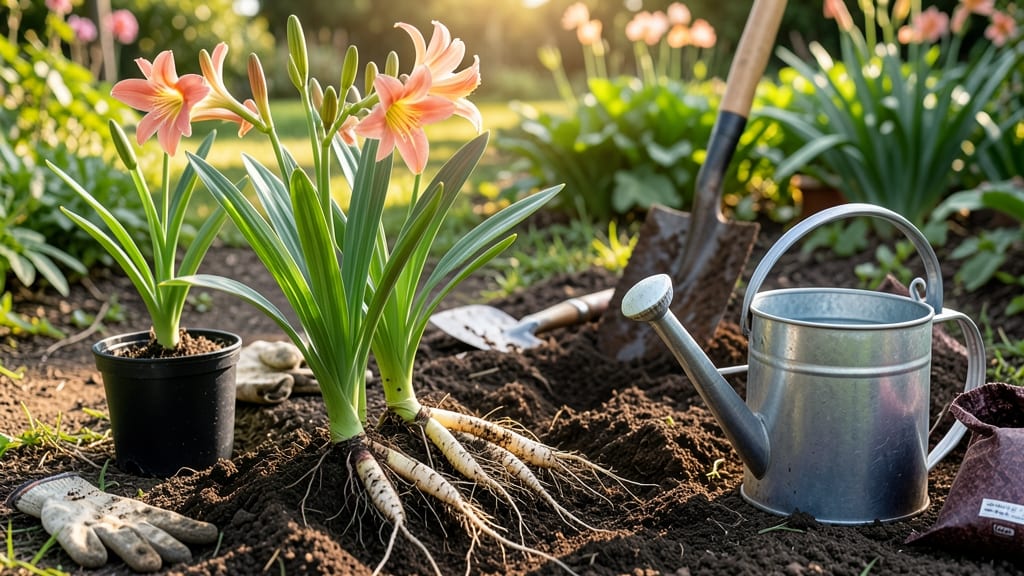
When to plant daylilies in Georgia isn’t just about following a calendar—it’s about dodging the state’s tricky frost dates and brutal summer heat. Plant too early, and you risk losing tender roots to late frosts; too late, and your daylilies may struggle to establish before the mercury soars. The key to vibrant blooms lies in understanding Georgia’s unique heat zones and frost-free windows.
Most gardeners in USDA Zones 7b-8b know the basics—spring or fall—but the devil’s in the details. Early spring (March-April) gives your daylilies a head start before summer’s intensity, while early fall (September-October) lets them settle in before winter’s chill.
I’ll break down exactly when to plant in your specific corner of Georgia, so you can skip the guesswork and enjoy zero frost risk.
Beyond timing, your soil plays a starring role. Georgia’s clay-heavy soils or sandy patches can make or break your daylilies’ success. We’ll cover how to prep your soil for optimal drainage and nutrient-rich conditions, ensuring your plants thrive from day one.
Ready to transform your garden into a year-round bloom machine?
Let’s dive into the heat zone-specific planting schedule that’ll have your daylilies flourishing—no matter where you are in Georgia. You’ll leave here with a clear plan, tailored tips, and the confidence to plant like a pro.
Georgia heat Zone map: best planting months by region (avoid frost & heat stress)
Georgia’s diverse climate—from the cooler Appalachian Mountains to the sweltering Atlanta metro area—means daylily planting windows vary wildly. The USDA Zones 7b-8b dominate most of the state, but local microclimates can shift ideal timing by weeks.
For example, North Georgia (Zone 7b) faces later last frosts (March 15-30), while South Georgia (Zone 8a) can plant as early as February in sheltered spots.
Spring planting is the gold standard for daylilies, but Georgia’s unpredictable late frosts (even into April in higher elevations) demand caution. The safest window? After April 15 in most regions, once soil temps hit 60°F+.
Fall planting offers a second chance for missed spring opportunities, with September-October being ideal to establish roots before winter dormancy.
Here’s the breakdown by region—use this to avoid heat stress or frost damage that stunts growth:
| Region | USDA Zone | Best Planting Window | Soil Temp Threshold | Frost Risk |
|---|---|---|---|---|
| North Georgia (e.g., Blue Ridge) | 7b | April 15–May 15 | 60°F+ | High (late frosts) |
| Central Georgia (e.g., Atlanta) | 7b-8a | March 1–April 15 | 55°F+ | Moderate |
| South Georgia (e.g., Savannah) | 8a-8b | February 15–March 30 | 50°F+ | Low |
| All Regions (Fall Backup) | 7b-8b | September 1–October 15 | 65°F+ | None (post-frost) |
Pro tip: Use a soil thermometer to confirm temps—daylilies won’t thrive if planted in cold, wet soil. Aim for consistently warm conditions to prevent root rot or stunted growth. In Zone 8b, you can even push spring planting to February in microclimates like urban heat islands.
Heat stress is the biggest enemy after planting. Daylilies planted in late spring (May+) often bolt to seed instead of blooming. To avoid this, mulch heavily (3–4 inches of straw or pine needles) to retain moisture and regulate soil temps.
In South Georgia’s Zone 8b, fall planting is almost risk-free—just get them in by October 15 to avoid winter stress.
Georgia’s humidity also plays a role. In coastal areas (Zone 8b), fungal diseases like rust can attack stressed plants. Space daylilies 18–24 inches apart and prune for airflow to mitigate this. For container growing, use fast-draining mixes and plant in early spring to avoid summer wilting.
Don’t overlook container planting for urban gardeners. Potted daylilies can go in anytime soil temps stay above 50°F, but spring is still best. Use 5-gallon pots with drainage holes and a slow-release fertilizer to simulate in-ground conditions.
Just remember: containers dry out faster, so water every 5–7 days in summer.
For perennial gardeners, mark your calendar for September 1—this is the last safe day to plant in most of Georgia before winter dormancy kicks in. By then, roots will have 6–8 weeks to establish before first frost (Nov 15).
If you miss this, wait until next spring—daylilies won’t survive if planted in late fall.
Signs your Georgia soil is ready for daylilies (and how to fix it)
Daylilies thrive in Georgia’s well-draining soil with neutral pH (6.0–7.0), but many gardeners overlook subtle clues that reveal hidden issues. Before planting, check for these 3 critical signs of soil readiness—and how to address them if they’re missing.
First, dig a 6-inch hole and observe the soil’s texture. Clay-heavy soils (common in northern Georgia) can suffocate roots, while sandy soils (like those in coastal areas) drain too quickly. If your soil feels sticky when wet or repels water like a sponge, amendments are needed.
Next, perform a simple drainage test: Fill the hole with water and time how long it takes to drain. If water pools after 1 hour, your soil is too dense.
For sandy soil, drainage happens in minutes—both extremes require fixes. Aim for 4–6 hours to drain for ideal daylily growth.