
Plants
Timing your dahlia planting in Zone 8b isn't just about following a calendar—it's about catching that sweet spot when soil warmth and frost risk align perfectly for your 🌸 blooms to thrive.
Most gardeners in Zone 8b wait until after the average last frost date of February 15th, but that's just the starting point. The real secret lies in soil temperature—your dahlias need that warm embrace of 60°F+ to wake up properly. Plant too early, and you risk stunted growth or worse.
I've learned the hard way that rushing the process can mean fewer blooms and more frustration. Instead, we'll focus on practical ways to gauge when your soil is truly ready—whether you're using a thermometer or watching nature's cues like leaf unfurling and insect activity.
By the end, you'll know exactly when to get those tubers in the ground for maximum bloom potential, plus how to adjust for those tricky microclimates that can throw off even the best-laid plans. Let's get those dahlias growing!
Zone 8b dahlias planting timeline: soil temperature rules over calendar dates
In Zone 8b, where average last frost dates hover around February 15, calendar dates alone won't guarantee success with dahlias. These heat-loving beauties need soil temperatures of at least 60°F (15°C) to thrive—something your local weather app won't tell you.
That's why I always check soil warmth before planting, not just the calendar.
Your Zone 8b frost-free season spans roughly 240 days, giving you a longer window than many gardeners realize. But rushing planting too early can lead to stunted growth or even tuber rot.
The key is waiting for that 60°F soil temperature, which in my experience typically occurs between late March and early April in most Zone 8b areas.
Here's my proven planting timeline for Zone 8b dahlias, based on soil temperature rather than arbitrary dates. I've planted for years and learned that patience pays off with bigger, healthier blooms. Let's break down exactly when and how to plant for your climate zone.
| Planting Stage | Zone 8b Timeline | Key Conditions |
|---|---|---|
| Soil Prep | February-March | Soil temp ≥50°F, last frost risk passed |
| Tuber Prep | Late March | Chitting tubers indoors (3-4 weeks before planting) |
| Planting Window | Late March-Early April | Soil temp ≥60°F consistently |
| First Blooms | July-August | 90-120 days after planting |
| Peak Bloom | August-September | Full sun exposure (6+ hours) |
Notice how the planting window aligns with soil temperature rather than a fixed calendar date? That's the secret weapon for Zone 8b gardeners. I've seen neighbors plant in early March based on "average last frost" dates only to have their dahlias struggle through cool soil.
The result? Smaller blooms and weaker stems that flop over.
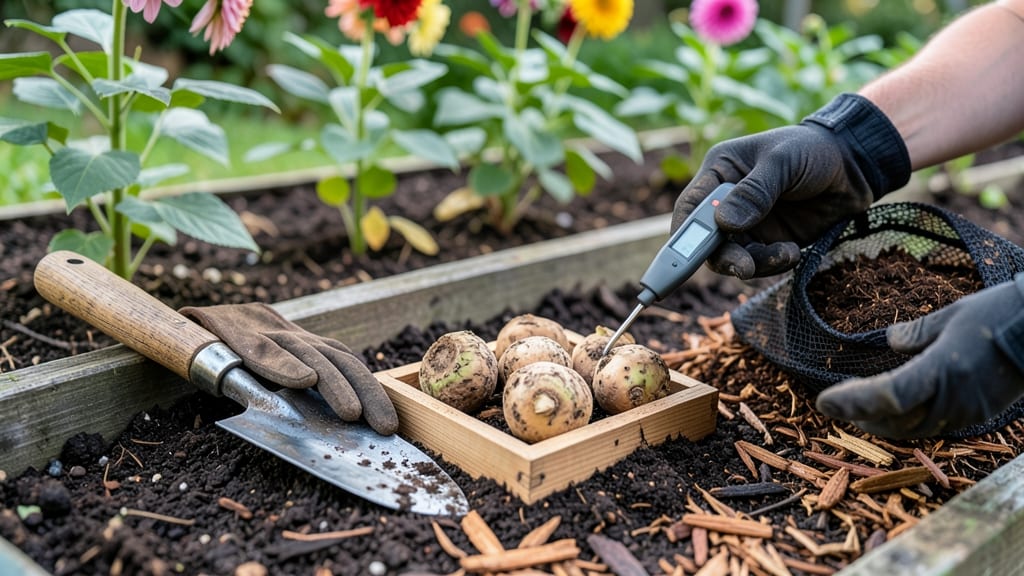
For extra insurance, I recommend using a soil thermometer ($10 at garden centers) to verify warmth. Stick it in your garden bed at a depth of 4-6 inches (where dahlias' tubers will sit) and check daily.
Once it consistently reads 60°F or warmer for at least 3 days, it's time to plant.
If you're planting tubers (the most common method), they should be pre-sprouted or "chitted" for 3-4 weeks before going into the ground. This head start gives them a competitive edge against cooler soil temperatures.
I like to place my tubers in a bright, warm spot (like on top of my fridge) with the "eyes" facing up to encourage early sprouting.
For gardeners in microclimates (like urban heat islands or sheltered valleys), you might plant 1-2 weeks earlier than the general timeline. Conversely, if your area experiences late frosts (like higher elevations within Zone 8b), wait until April.
Always have a frost watch plan—cover plants with frost cloth if temperatures dip below 50°F after planting.
One common mistake I see is planting too shallow. Dahlias need their tubers buried 4-6 inches deep, with the "crown" (where stems emerge) just below soil level. Planting too deep can rot the tubers, while planting too shallow leads to weak stems.
Use the "knuckle rule": your middle knuckle should sit at soil level when positioning the tuber.
After planting, mulch heavily with 2-3 inches of organic mulch (straw or shredded leaves work well) to maintain soil warmth and moisture. This is especially important in Zone 8b where daytime highs can be hot but nights remain cool.
The mulch acts like a blanket, keeping roots consistently warm—just what dahlias crave for vigorous growth.
Remember that Zone 8b's long growing season gives you time to experiment. If you miss the ideal window, you can still plant starter plants from nurseries as late as May, though they may bloom later in the season.
The key is adapting your timing to your specific microclimate rather than following rigid rules.
Zone 8b dahlias planting timeline: soil temperature rules over calendar dates
In Zone 8b, the average last frost date is around February 15, but don't let that fool you into early planting. Dahlias need warm soil—at least 60°F (15°C)—to thrive.
Planting too soon can stunt growth or even kill your tubers, so timing is everything. The key is waiting for both the air and soil to warm up together.
Most gardeners in Zone 8b aim to plant dahlias between mid-March and early April, but this varies based on your microclimate. Coastal areas may be ready earlier, while inland spots might need to wait until late April.
Always check your local frost-free date and adjust accordingly. For example, if you're in a frost-prone pocket of Zone 8b, push planting to late April to avoid surprises.
| Stage | Action | Soil Temp |
|---|---|---|
| Prep Tubers | Cut tubers, treat with fungicide | Indoors (55-60°F) |
| Start Indoors | Sprout tubers in pots | 55-65°F |
| Hardening Off | Acclimate plants to outdoors | 60°F+ |
| Plant Outdoors | Transplant after last frost | 60°F+ (consistent) |
| First Blooms | Expect flowers in 8-12 weeks | 70°F+ |
A soil thermometer is your best friend here. Stick it 4-6 inches deep in your garden bed—this is where the roots will be. If the soil isn't consistently 60°F or warmer, hold off on planting.
For example, in San Diego (Zone 8b), you might plant as early as late February, while in Atlanta (Zone 8a border), you'll need to wait until mid-April. Pro tip: Morning soil temps are usually cooler, so check in the afternoon for a more accurate reading.
If you're unsure about your local microclimate, consider using heat mats or planting in raised beds. These methods warm up faster and give you more control over the planting environment.
For instance, a raised bed filled with compost and black plastic mulch can add 5-10°F to soil temperature, allowing you to plant 2-3 weeks earlier than in-ground soil. Just be sure to monitor for pests like slugs, which thrive in warm, moist conditions.
Once your soil hits 60°F, it's time to plant. In Zone 8b, this typically falls between mid-March and early April, but always verify with your local Cooperative Extension Service.
For example, if you're in Las Vegas, you might plant by late February, while Houston gardeners should wait until mid-April. The goal is to give your dahlias 10-12 weeks of warm weather before the first frost hits in November.
Remember, dahlias are tender perennials, meaning they won't survive frost. If you're in a high-elevation area of Zone 8b, like parts of New Mexico, you may need to start tubers indoors in February and transplant after April 15.
Meanwhile, coastal areas like Southern California can often plant by mid-March. Adjust your timeline based on your specific location within Zone 8b.
Don't rush the process—patience pays off with healthier plants and bigger blooms. If you plant too early and a late frost hits, your dahlias will suffer. On the other hand, planting too late might cut your blooming season short.
Aim for that sweet spot where soil, air, and your local climate all align for success. With the right timing, you'll be rewarded with stunning dahlias from summer through fall.