
Plants
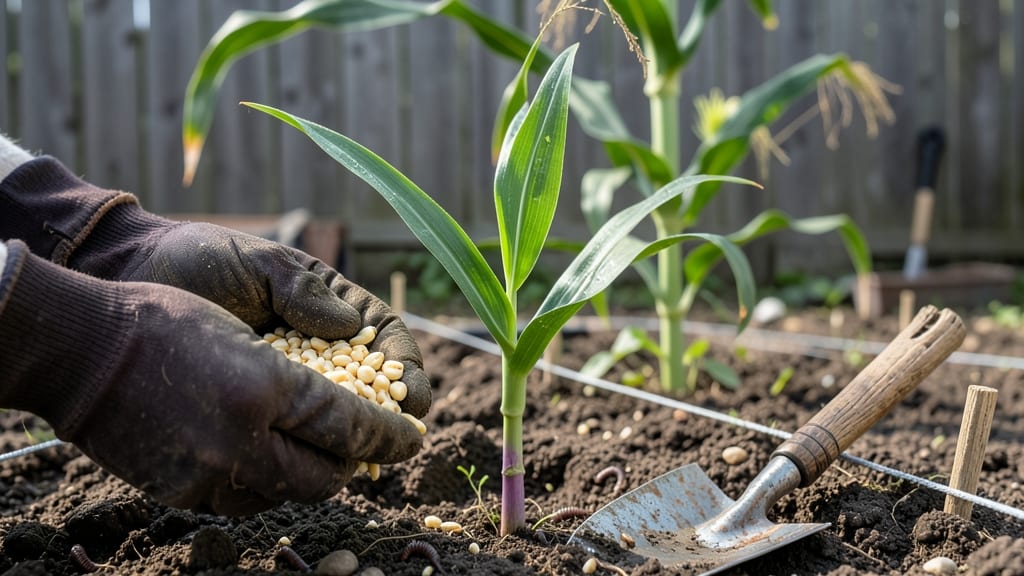
Timing your 🌽 corn planting in Western Washington is the difference between a bountiful harvest and a sad, stunted garden. The 8a-9a climate here means cool soils linger longer, and planting too early risks frost-killed seedlings while waiting too late cuts your growing season short.
Most gardeners in this region swear by the mid-April to early May window—but that’s just the starting point. The real secret lies in soil temperature, which needs to hit at least 50°F for germination and 65°F+ for steady growth. Without this warmth, even the hardiest varieties struggle.
I’ve tested this myself in Seattle’s urban heat pockets and the cooler coastal zones, and the results speak for themselves. Whether you’re planting ‘Early Sunglow’ for quick harvests or ‘Bodacious’ for sweetness, knowing when to drop those seeds is everything.
Let’s break down the exact cues you need to time your planting perfectly—so you can enjoy fresh 🌽 corn from late July through September without the guesswork.
Optimal soil temperature ranges for planting corn in Western Washington
Corn thrives when planted in warm soil, but Western Washington’s cool, damp springs can delay germination if you plant too early. The key is waiting for consistent soil temperatures between 50°F and 60°F—this triggers reliable sprouting.
Below 50°F, seeds rot; above 65°F, growth accelerates for faster harvests.
I’ve learned the hard way that air temperature ≠ soil temperature. A sunny 60°F day might hide 45°F soil just inches down. That’s why I always check with a soil thermometer (or borrow one from a neighbor’s garden group).
For fastest germination, aim for 65°F+ soil, but even 55°F works if you’re patient.
Here’s how I monitor soil warmth: I take readings at 10 AM (when soil is warmest) for 3 consecutive days. If temps stay above 50°F, it’s time to plant. Pro tip: Dark, moist soil stays cooler longer—amend with compost to warm it faster.
Western Washington’s microclimates complicate timing. Coastal areas near Bellingham or Olympia may need to wait until late May for safe planting, while Seattle’s urban heat islands can hit 60°F soil by mid-April. Always check your local frost-free date (typically April 15 inland, May 1 coastal) as a backup.
For reliable germination, I’ve found that black plastic mulch raises soil temps by 5–10°F in just 24 hours. Lay it down 1–2 weeks before planting to give seeds a head start. Without mulch, coastal gardeners often wait until June—but that risks shorter harvests before fall frost.
| Stage | Soil Temp (°F) | Action | Notes |
|---|---|---|---|
| Germination | 50–60°F | Plant seeds | Risk of rot below 50°F |
| Consistent Growth | 65°F+ | Accelerated growth | Ideal for short seasons |
| Pollination | 70–80°F | Monitor tassels | Cooler temps delay pollination |
| Harvest Ready | 60–75°F | Check silks | Brown silks = harvest time |
If you’re planting in containers, soil warms faster than in-ground beds. I’ve had success with 5-gallon buckets on black-painted wood pallets—they hit 65°F by late April in Seattle. For in-ground planting, raise beds with compost-rich soil to speed up warming.
One year, I planted too early in March and lost half my seedlings to late frost. Now, I cross-reference soil temps with local weather forecasts for 10-day highs. If nights dip below 40°F, I cover seedlings with row fabric until soil stabilizes.
For coastal gardeners, I recommend ‘Early Sunglow’ (65 days to harvest) or ‘Bodacious’ (70 days)—both tolerate cooler soils better than sweet corn varieties. Plant these by May 15 to ensure harvest before fall frost.
Remember: Patience pays off. Waiting an extra week for ideal soil temps means healthier plants and bigger ears. Grab your soil thermometer, check those temps, and let the sun do the work for you!
Optimal soil temperature ranges for planting corn in Western Washington
Corn seeds need warmth to germinate, and Western Washington’s chilly springs can delay planting if you’re not prepared. The ideal soil temperature range for planting corn is 50–60°F (10–15°C), but consistent growth requires 65°F (18°C) or warmer.
Cold soil slows germination, while waiting too long risks a short growing season. Understanding these thresholds helps you time your planting perfectly.
Use a soil thermometer to check temperatures at a 4-inch depth, where seeds will be planted. Morning readings are most accurate—avoid midday spikes. If your soil is below 50°F (10°C), wait a few days or use black plastic mulch to warm the soil faster.
This is especially critical in coastal areas where fog keeps temperatures low.
Here’s what happens at different soil temperatures:
| Soil Temp (°F) | Germination | Growth Rate | Risk |
|---|---|---|---|
| Below 50°F (10°C) | Very slow or none | Stunted | Fungal diseases, rot |
| 50–59°F (10–15°C) | Slow (7–14 days) | Slow | Late planting risks |
| 60–65°F (15–18°C) | Moderate (5–7 days) | Good | Minimal |
| 65°F+ (18°C+) | Fast (3–5 days) | Optimal | None |
If your soil is consistently below 50°F (10°C) by late April, consider starting seeds indoors under grow lights and transplanting after the last frost. Use biodegradable pots to avoid disturbing roots.
This buys you time in cooler microclimates like the San Juan Islands or Olympic Peninsula, where frost lingers longer.
Pro tip: Check your local USDA Plant Hardiness Zone (Western Washington is mostly Zone 8a–9a) and cross-reference with Almanac frost dates. For example, Seattle’s last frost is around April 15, but coastal areas like Neah Bay can wait until May 1.
Planting too early risks seedling death from frost, while waiting too long shortens the harvest window.
For reliable germination, aim for soil temps above 60°F (15°C) and consistent warmth. If your garden is shaded or prone to cool nights, use row covers or cold frames to create a warmer microclimate. This small effort can mean the difference between thriving ears and disappointing yields.
Once your soil hits 65°F (18°C), it’s time to plant! Use a moisture meter alongside your thermometer to ensure seeds have the water they need to germinate. Deep watering before planting helps kickstart root growth in the cooler soil.