
Plants
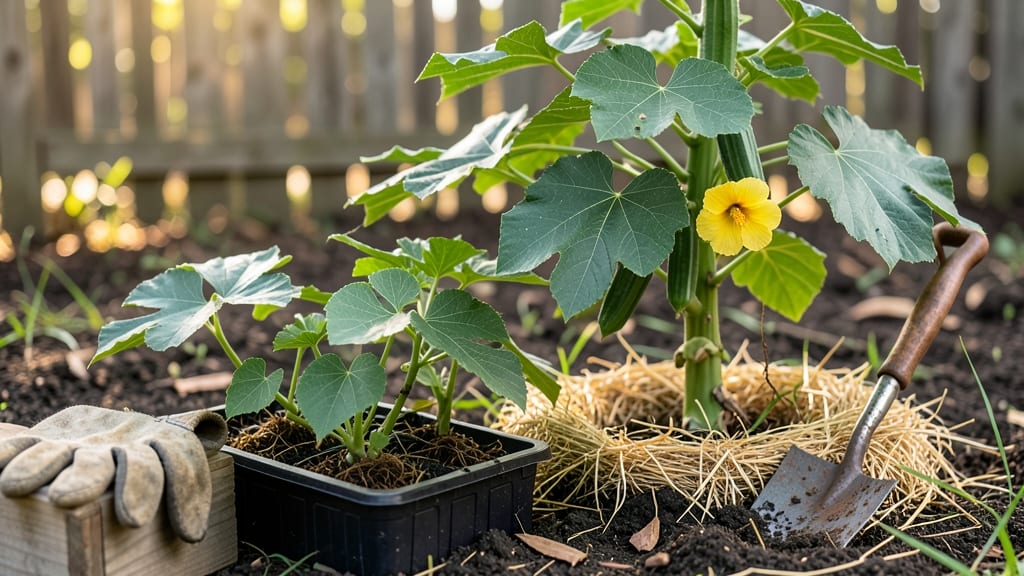
Planting okra in Texas isn't just about checking the calendar—it's about timing your seeds with soil temperatures that trigger fast germination and explosive growth. Skip this step, and you might miss your window for a bountiful harvest before summer's brutal heat sets in.
Here's the secret: okra thrives when soil reaches at least 70°F, which typically happens between March and May in most of Texas. But don't wait too long—planting in August-September gives you a second chance for fall harvests, especially in zones 8a-10a where winters are mild.
Whether you're in North Texas where frost lingers until February or South Texas where warm spells arrive early, understanding these temperature triggers makes all the difference. I'll show you exactly how to test your soil, prepare it for planting, and avoid common mistakes that slow down growth.
Ready to grow okra that germinates in days instead of weeks? Let's dive into the precise timing and techniques that will give you healthy plants and plentiful pods all season long.
Optimal planting times for okra in Texas based on soil temperature
Okra thrives in Texas's heat, but timing your planting around soil temperature is critical for fast germination. Unlike cool-season crops, okra needs consistent warmth—aim for 70°F+ soil temperatures before sowing seeds. In Texas, this means waiting until after the last frost, but the exact timing varies dramatically by region.
Texas spans USDA Zones 8a-10a, creating microclimates where North Texas (like Dallas) has later last frosts (February 15) compared to South Texas (Houston averages January 1).
Your planting window hinges on these dates and heat tolerance. Let’s break it down by region to ensure your okra gets off to a fast, healthy start.
| Texas Region | Last Frost Date | Ideal Planting Window | Soil Temp Threshold | Heat Zone |
|---|---|---|---|---|
| North Texas (Dallas, Fort Worth) | February 15 | April 15 - May 15 | 70°F+ | Zones 8a-8b |
| Central Texas (Austin, San Antonio) | February 1 | March 15 - April 30 | 70°F+ | Zones 8b-9a |
| South Texas (Houston, Corpus Christi) | January 1 | February 15 - March 30 | 70°F+ | Zones 9a-10a |
| West Texas (El Paso, Lubbock) | February 1 | April 1 - May 1 | 75°F+ (drier climate) | Zones 8a-8b |
| Fall Planting (All Regions) | First Frost | August 15 - September 15 | 70°F+ (soil) | Avoid planting after Sept 30 |
For North Texas gardeners, patience is key—planting too early (before April 15) risks stunted growth from lingering cool soil. In contrast, South Texas gardeners can start as early as February 15, but avoid sowing before soil warms to 70°F or seeds may rot.
Use a soil thermometer to confirm readiness; okra seeds won’t germinate below 60°F.
Texas’s fall planting window (August-September) is often overlooked but yields tender okra before frost. In Central Texas, aim for August 15 to harvest before the November 15 average first frost.
In North Texas, shift to September 1 to beat the December 1 frost line. Always plant 60-90 days before frost for a full harvest.
Extreme heat can also stress okra—avoid planting during peak summer months (June-July) when temperatures exceed 90°F. Instead, opt for early spring or late summer plantings. In West Texas, where heat arrives earlier, focus on April-May to escape the brutal 100°F+ summers.
Shade cloth can help young plants acclimate if you must plant in late spring.
Pro tip: Direct sow seeds in Texas—okra dislikes transplanting. Drop seeds 1/2 inch deep, 6-12 inches apart, in rows 3 feet apart for airflow. In clay-heavy Texas soils, amend beds with compost to improve drainage.
Mulch with straw or black plastic to warm soil faster and retain moisture during germination.
Remember, okra’s 60-day growth cycle means missing the planting window by even a week can cut your harvest short. Use local cooperative extension service frost dates as a backup, but always prioritize soil temperature over calendar dates.
With the right timing, you’ll enjoy tender, homegrown okra pods from June through October—or September through November for fall plantings.
🌱
Optimal planting times for okra in Texas based on soil temperature
Texas gardeners know timing is everything when planting okra. Unlike cool-season crops, okra thrives in warm soil—aim for 70°F+ to trigger those explosive sprouts. The last frost dates vary wildly across Texas, so I’ve broken it down by region to help you nail your planting window.
In North Texas (USDA Zones 7b-8a), like Dallas and Fort Worth, wait until mid-April to early May after soil warms to 70°F. Central Texas (Zones 8a-8b), including Austin and San Antonio, can plant early March to mid-April when nights stay above 55°F. South Texas (Zones 9a-10a), like Corpus Christi and Brownsville, enjoys a longer season—plant February to early April or even late summer (August-September) for fall harvests.
🌱Pro Tip: Use a soil thermometer to confirm readiness. Okra seeds won’t germinate below 60°F, and waiting for 70°F+ ensures faster growth and higher yields.
| Texas Region | USDA Zone | Best Planting Window | Soil Temp Threshold | Notes |
|---|---|---|---|---|
| North Texas | 7b-8a | Mid-April to early May | 70°F+ | Avoid planting before last frost (Feb 15) |
| Central Texas | 8a-8b | Early March to mid-April | 65°F+ | Can plant earlier with row covers |
| South Texas | 9a-10a | February to April OR August-September | 60°F+ | Fall planting avoids summer heat stress |
For fall harvests, focus on August-September plantings in Central and South Texas. This gives pods time to mature before first frost (November 15 in Central Texas, December 1 in North Texas).
In extreme heat zones (above 90°F), like West Texas, opt for shade cloth or late summer plantings to prevent bolting.
🌡️Heat Warning: Okra hates consistent 95°F+ temps. If your area hits summer heatwaves, consider succession planting every 2-3 weeks for staggered harvests instead of one massive planting.
Remember, direct-sown seeds germinate faster than transplants in Texas’ heat. I’ve seen 7-day germination when soil is ideal—so don’t rush! Start seeds indoors 4-6 weeks before your region’s last frost if you’re impatient, but transplant carefully to avoid shock.