
Plants
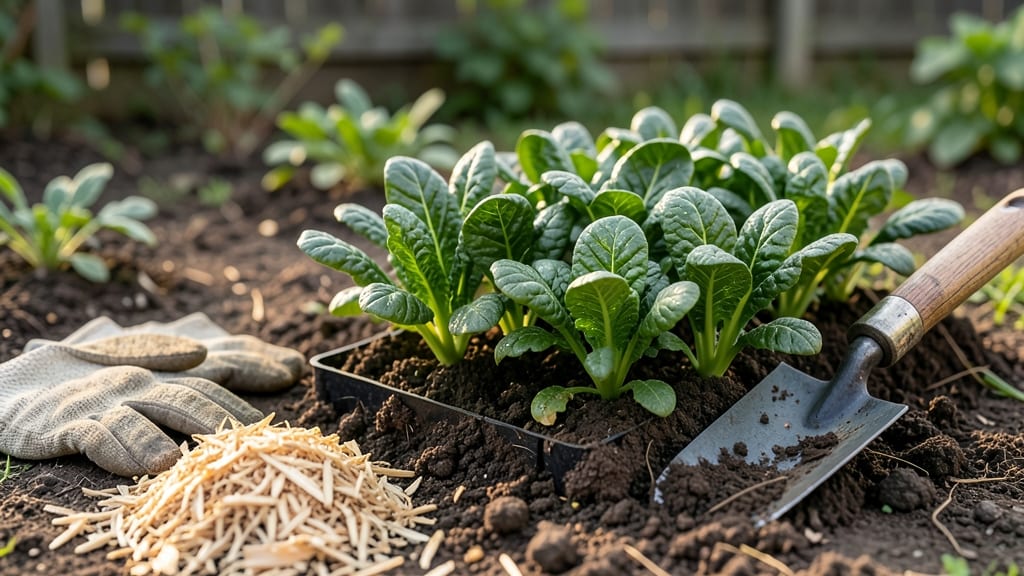
If you're dreaming of a homegrown harvest of 🥬 collard greens in Tennessee, timing your planting could mean the difference between a thriving garden and a frost-kissed disappointment.
Tennessee's diverse climate—from the cool mountain air of East Tennessee to the warmer valleys of Middle and West—means your planting schedule should match your region's unique frost patterns.
Most gardeners in USDA zones 6a-8a know that collard greens thrive in cool weather, but getting the timing right is the key to avoiding bitter leaves or stunted growth. Whether you're prepping for a spring feast or planning a fall harvest, understanding your local frost dates is non-negotiable.
In this guide, I'll break down the best planting windows for your specific corner of Tennessee, from the March-April spring rush to the August-September fall prep.
You'll also discover how to tweak your approach based on whether you're in the hills, the valleys, or the plains—because one size doesn't fit all when it comes to Tennessee gardening.
Ready to turn your backyard into a collard green powerhouse? Let's dive into the frost-free timeline that'll have you harvesting crisp, flavorful leaves all season long.
Tennessee's frost dates by region: best planting windows for collard greens
Collard greens thrive in Tennessee’s USDA zones 6a-8a, but frost dates vary wildly across regions. East Tennessee’s higher elevations (like Knoxville) get earlier frosts than West Tennessee’s flatlands (like Memphis). I’ll break down the exact planting windows for each region to maximize your harvest.
For spring planting, aim for 4-6 weeks before your last frost date. In fall, plant 6-8 weeks before the first frost to ensure mature leaves before cold sets in. Let’s dive into the specifics for your area.
📌 PRO TIP: Check the UT Extension or Tennessee State University’s frost date maps for your exact location—these can shift by 1-2 weeks depending on microclimates.
| Region | USDA Zone | Avg Last Frost | Avg First Frost | Spring Planting Window | Fall Planting Window | Harvest Window |
|---|---|---|---|---|---|---|
| East Tennessee (e.g., Knoxville, Chattanooga) | 6a-7a | March 22 | November 5 | March 1–15 | August 1–15 | May–June & Oct–Nov |
| Middle Tennessee (e.g., Nashville, Murfreesboro) | 7a-7b | March 15 | November 1 | March 1–April 1 | August 15–September 1 | April–June & Sept–Oct |
| West Tennessee (e.g., Memphis, Jackson) | 7b-8a | March 1 | November 15 | February 15–March 15 | September 1–15 | March–May & Sept–Nov |
🌡️ Adjust for elevation! Add 1 week earlier for every 1,000 ft above sea level (e.g., Great Smoky Mountains).
In East Tennessee’s zone 6a, where frosts linger longer, I recommend starting seeds indoors in February for an early spring transplant. For West Tennessee’s zone 8a, you can even direct-sow as early as mid-February if you’re lucky with a warm spell.
For fall harvests, prioritize cold-hardy varieties like ‘Georgia Southern’ or ‘Vates’. These can tolerate light frosts (down to 20°F) and even improve in flavor after a frost. Plant them 8 weeks before your first frost—so in Nashville (zone 7b), that’s early September.
If you’re in zone 8a (Memphis area), you can push it even further: late September plantings often yield harvests through December. Just cover young plants with row fabric if a hard freeze (25°F or below) is forecasted.
🌱 KEY TAKEAWAY: Tennessee’s 165–200 frost-free days give you two full harvest cycles—spring and fall. Plan accordingly to avoid bitter leaves from bolting in summer heat or stunted growth from early frosts.
How to extend your collard green season in Tennessee’s climate
Tennessee’s unpredictable weather—from sudden late spring frosts to early fall freezes—can challenge even the most patient gardener. But with the right strategies, you can grow collard greens almost year-round. The key is combining cold-hardy varieties, protective covers, and smart soil prep to beat Mother Nature’s curveballs.
Start by choosing heirloom varieties like Georgia Southern or Vates, bred to thrive in Tennessee’s USDA zones 6a–7b. These varieties tolerate light frosts (down to 20°F) and even perform better after a light freeze—their flavor sweetens!
Plant them 6–8 weeks before your first frost for a fall harvest or 4–6 weeks before last frost for spring.
For extended harvests, use row covers or low tunnels to protect young plants. A simple floating row cover can add 4–6°F of warmth, letting you plant 2–3 weeks earlier in spring or delay harvest by 3–4 weeks in fall.
In East Tennessee’s high-altitude zones (like USDA 6a), add a black plastic mulch to warm soil faster.
Choose Georgia Southern or Vates collards—tolerate 20°F and improve flavor after frost.
Add 4–6°F warmth to extend spring planting by 2–3 weeks or fall harvest by 3–4 weeks.
Sow new seeds every 2 weeks from March–September for continuous harvests.
Add 2–3 inches of compost to improve drainage and fertility—critical for Tennessee’s clay-heavy soils.
Don’t forget succession planting! Sow new seeds every 2 weeks from March through September to ensure a steady supply. In West Tennessee’s warmer zones (7a–8a), you can even plant a winter crop in December under row covers for an early spring harvest.
Just monitor soil temps—collards need 40–85°F to germinate.
For soil prep, Tennessee gardeners often struggle with clay-heavy soils that drain poorly. Mix in 2–3 inches of compost or aged manure before planting to improve structure.
Test your soil’s pH (6.0–7.0 is ideal)—Tennessee’s acidic soils can stunt growth. If needed, add lime in fall or wood ash in spring.
With these tricks, you’ll enjoy homegrown collards from late spring through early winter, even in Tennessee’s fickle climate. Just remember: plan ahead, protect your plants, and stay flexible—Mother Nature always has the final say! 🌱