
Plants
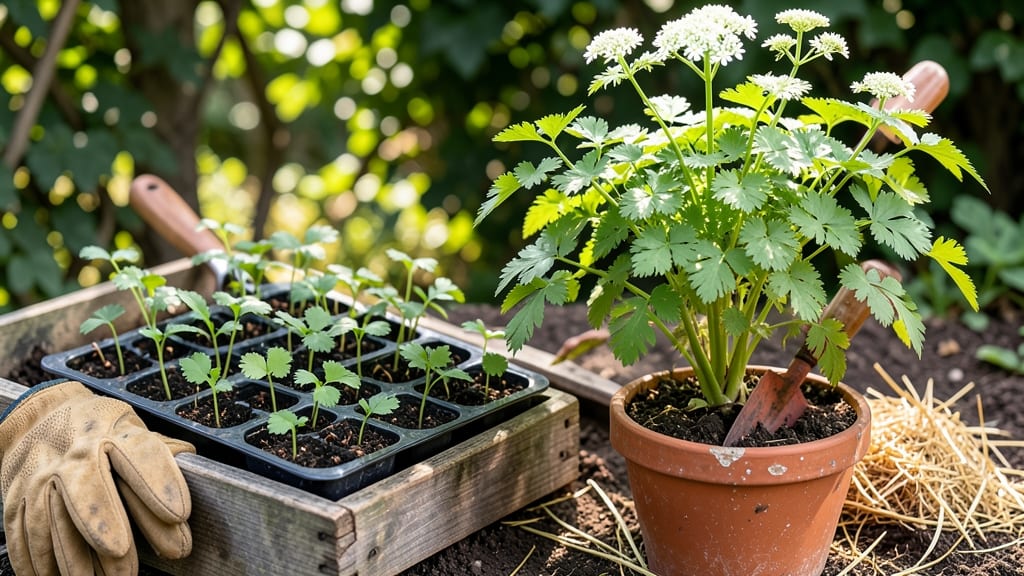
Timing your cilantro planting in Ohio can mean the difference between a thriving herb garden and a bitter disappointment—because that unpredictable weather loves to turn your cilantro into a bolted mess if you're just a few weeks off.
Ohio’s USDA Zone 6a climate gives you a narrow window to grow cilantro successfully, but with the right strategy, you can enjoy fresh 🌿 all season long. The key is planting early spring or late summer when temperatures stay cool, avoiding those scorching summer months that trigger bolting.
In this guide, I’ll break down the exact frost-free planting schedule for Ohio, including how to adjust for northern vs. southern regions. You’ll learn when to start seeds indoors, how to extend your harvest into fall, and which varieties hold up best in Ohio’s heat.
Ready to grow cilantro that stays fresh and flavorful? Let’s dive into the perfect planting timeline so you can enjoy homegrown cilantro from April through November—without the bolting headaches.
Ohio’s ideal cilantro planting windows: avoiding bolt risk
Ohio’s USDA Zone 5-7 climate means cilantro thrives in cool seasons but bolts quickly when temperatures rise above 75°F. The key is planting during two frost-free windows: early spring and fall.
Northern Ohio’s last frost date (around April 15) signals the start of your first window, while southern Ohio can begin 2-3 weeks earlier.
Cilantro’s ideal soil temperature for germination is 60-70°F. In Ohio, this aligns perfectly with March-April for spring planting. For fall, aim to sow seeds 8-10 weeks before your first frost (typically late August to early September), giving plants time to mature before winter sets in.
Here’s how Ohio’s microclimates affect timing: Northern counties (like Toledo) can plant 1-2 weeks later than southern regions (like Columbus) due to later frost dates. Always check your local Almanac frost predictions—they’re your best guide for precise timing.
🌱
| Planting Window | Ohio Region | Frost Dates | Soil Temp | Risk Level |
|---|---|---|---|---|
| Early Spring | Southern Ohio (Columbus, Cincinnati) | Last frost: March 20-25 | 60-70°F (March-April) | Low |
| Early Spring | Northern Ohio (Toledo, Cleveland) | Last frost: April 10-15 | 60-70°F (April) | Low |
| Late Summer/Fall | Southern Ohio | First frost: October 10-15 | 55-65°F (August-Sept) | Medium (heat stress) |
| Late Summer/Fall | Northern Ohio | First frost: October 1-5 | 55-65°F (August-Sept) | Low |
| Summer (Risky) | All Regions | N/A | Above 75°F | High (bolting) |
For maximum harvests, I recommend staggered planting every 2-3 weeks during your ideal windows. This ensures a continuous supply of fresh cilantro. For example, in southern Ohio, plant March 1, March 15, and April 1 for spring, then August 1, August 15, and September 1 for fall.
Ohio’s summer heat (June-August) is cilantro’s enemy. Even a single day above 80°F can trigger bolting. That’s why I avoid summer planting unless I’m using shade cloth or heat-tolerant varieties like ‘Santo’ or ‘Calypso’—more on that in the next section!
Pro tip: Use a soil thermometer to confirm temperatures before planting. Cilantro seeds won’t germinate well in cold, wet soil (below 50°F). If your soil is too cool, wait 1-2 weeks or use a black plastic mulch to warm it faster.
🌿
If you’re in Zone 6b or 7a (common in southern Ohio), you can squeeze in a third planting in late September for a winter harvest. Just cover seedlings with row fabric when nighttime temps drop below 40°F to protect them from frost.
Remember: Bolting isn’t always bad! If your cilantro flowers, you can harvest the seeds for coriander—just let 2-3 plants bolt while protecting the rest with shade. This two-for-one trick works great for Ohio gardeners who love both fresh leaves and spices.
How to extend cilantro’s growing season in Ohio’s heat
Ohio’s summer heat can turn cilantro into bitter bolts faster than you can say "pesto." The key to extending your harvest? Strategic planning. By combining shade solutions, staggered plantings, and heat-tolerant varieties, you can enjoy fresh cilantro well into late summer—without the frustration of sudden bolting.
First, focus on heat-resistant varieties like 'Santo' or 'Calypso.' These cilantro types handle Ohio’s 85°F+ temperatures better than standard varieties, giving you 2-4 more weeks of harvestable leaves before bolting. Pair them with shade cloth (30-50%) during peak afternoon sun (12 PM–4 PM) to keep soil temps cool.
🌿 3 Proven Strategies
- Staggered Plantings: Sow seeds every 2-3 weeks from March–July to ensure a continuous harvest. Example: Plant first batch in early April, then repeat in mid-May and late June.
- Shade Cloth: Use 30% shade cloth in July–August to reduce soil temperature by 10–15°F. Secure it 2–3 feet above plants to allow airflow.
- Container Gardening: Grow cilantro in 5-gallon pots with self-watering bases. Pots heat up faster than soil, so place them in dappled shade (e.g., under a tree or patio cover).
✅ Result: Up to 3 harvest cycles per season instead of 1!
For container gardening, choose lightweight pots with drainage holes and fill them with moisture-retentive potting mix (add 20% perlite to improve aeration). Water containers daily in July and every other day in August, always in the early morning to prevent fungal issues.
Don’t overlook mulching—apply 2–3 inches of straw or wood chips around your cilantro beds to lock in moisture and keep roots cool. This is especially critical in Ohio’s southern regions (Zones 7–8), where summer heat arrives earlier and lasts longer.
Finally, harvest aggressively during heat waves. Pinch off outer leaves regularly to encourage bushier growth and delay bolting. If your cilantro starts flowering, cut the plant back by half—it may regrow a second set of leaves before the first frost.
With these tactics, you’ll turn Ohio’s summer heat from a cilantro killer into an extended harvest opportunity. The secret? Stay one step ahead of the bolting cycle with cool soil, shade, and smart scheduling.