
Plants
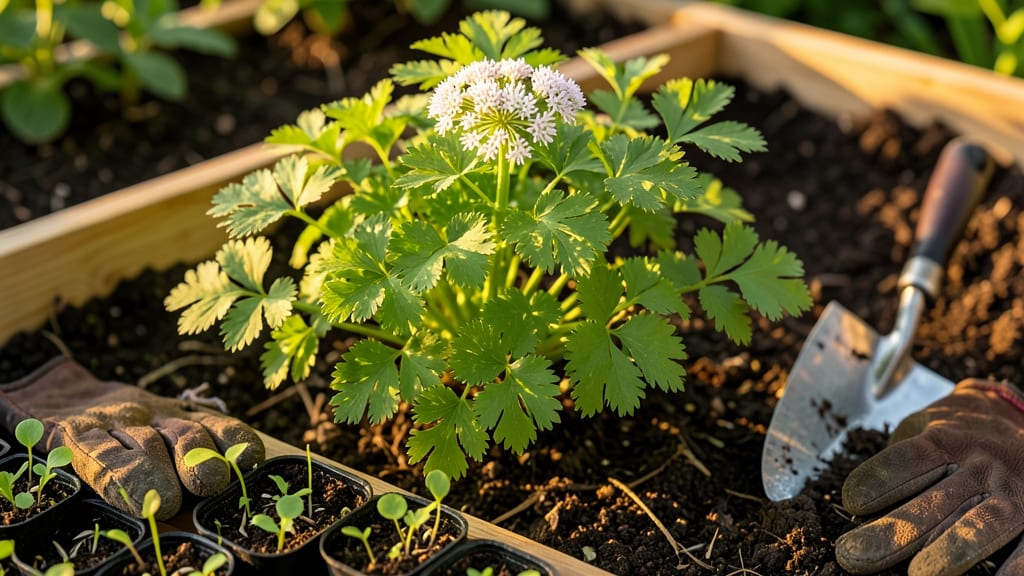
Timing cilantro planting in North Carolina can make or break your harvest—get it wrong, and you're left with bitter leaves or bolted plants before you even taste them.
The key to success lies in understanding your local frost dates and soil temperatures, which vary dramatically from the mountains to the coast.
Whether you're a seasoned gardener or just starting, knowing when to plant this cool-season herb ensures you'll have fresh 🌿 cilantro for tacos and salads all season long.
In North Carolina's 6b-8a zones, cilantro thrives in two distinct windows: early spring (March-April) and late summer/early fall (August-September). The challenge? Avoiding those pesky spring frosts that can wipe out tender seedlings or the summer heat that sends cilantro bolting faster than you can say "salsa."
With the right approach, you can extend your harvest from May through November—no more rushing to the store when your favorite herb is missing.
What if I told you there's a simple strategy to guarantee fresh cilantro all season? It starts with planting at the optimal times—after the last frost but before the soil gets too warm.
For NC gardeners, that means working with your local microclimate, whether you're in the Piedmont's rolling hills or the coastal plains. Let me show you exactly how to time your plantings for maximum flavor and minimal stress.
Ready to grow cilantro that actually lasts? We'll cover frost-free dates, soil temperature tricks, and even how to handle those stubborn summer heat waves. By the end, you'll know exactly when to plant each batch for continuous harvests—no more guessing games in your garden.
North Carolina frost dates & ideal cilantro planting windows by season
Cilantro thrives in North Carolina’s cool-season windows, but timing varies dramatically across the state’s USDA Zones 6b-8a. The key is planting when soil temps stay between 50-75°F—too cold and frost kills seedlings; too hot and your cilantro bolts into flower.
Let’s break down the perfect planting windows for your region.
North Carolina’s last spring frost ranges from March 1 in Zone 8a (Coastal Plain) to April 15 in Zone 6b (Mountains). For cilantro, this means your first planting window opens 2-4 weeks after your last frost date. In the Piedmont region, that’s typically mid-April.
Your second planting window comes in late summer, aiming for harvest before the first fall frost (October 15-November 1 in most zones). Coastal areas like Wilmington can push cilantro until mid-November, while the Mountains may need to start by early September.
Here’s your NC-specific cilantro planting calendar with frost dates and ideal soil temperatures:
| Region | Last Spring Frost | First Fall Frost | Spring Planting Window | Fall Planting Window | Soil Temp Range |
|---|---|---|---|---|---|
| Coastal Plain (Zone 8a) | March 1 | November 15 | March 15-April 15 | August 15-September 15 | 55-75°F |
| Piedmont (Zone 7a) | March 15 | November 1 | April 1-May 1 | August 1-September 10 | 50-70°F |
| Mountains (Zone 6b) | April 15 | October 15 | May 1-June 1 | July 15-August 15 | 45-65°F |
For Coastal NC gardeners, cilantro’s spring harvest peaks in May-June, while fall harvests stretch into November. In the Piedmont, expect June-July for spring and October for fall. Mountain growers should focus on late summer plantings to avoid early frosts.
Pro tip: Use a soil thermometer to confirm temps before planting. Cilantro seeds won’t germinate well below 50°F, and soil above 80°F triggers bolting. In Zone 8a, you might squeeze in a third planting in late October for a winter harvest under row covers.
Remember, NC’s microclimates can shift planting windows by 2-3 weeks. If you’re near a lake or river, you may enjoy warmer soil temps and longer growing seasons. For urban gardeners, container-grown cilantro gives you flexibility to move pots to shadier spots as summer heats up.
Next, we’ll cover how to extend cilantro’s growing season during NC’s brutal summers—including shade cloth hacks and heat-tolerant varieties that won’t bolt at the first sign of 85°F+ temps. 🌿
North Carolina frost dates & ideal cilantro planting windows by season
North Carolina's diverse climate means your cilantro planting schedule should vary by region. Whether you're in the Coastal Plain, Piedmont, or Mountains, timing is critical for avoiding frost damage and summer bolting.
The key is planting when soil temps stay between 50-75°F—too cold slows growth, while heat triggers bitter flavors.
For most of NC (USDA Zones 6b-8a), cilantro thrives in early spring and late summer. Coastal areas like Wilmington can start 2-3 weeks earlier than the Mountains, where frost lingers longer.
Always check your local last frost date—typically March 15-April 15 for spring and October 15-November 15 for fall.
| Region | Spring Planting Window | Fall Planting Window | Soil Temp Goal |
|---|---|---|---|
| Coastal Plain (Zone 8a) | Late February - Early April | Late August - Mid October | 55-70°F |
| Piedmont (Zone 7b) | Mid March - Mid April | Early September - Late October | 50-68°F |
| Mountains (Zone 6b) | Late March - Early May | Mid September - Early November | 48-65°F |
In spring, aim to plant cilantro 4-6 weeks before your last frost date. For example, if your last frost is April 1, plant by March 1-15.
This gives seedlings time to establish before warm weather arrives. Use row covers if nights stay chilly—cilantro can tolerate 28°F but prefers above 40°F.
For fall plantings, start seeds 8-10 weeks before your first frost. In Raleigh (Zone 7b), that means late July-August. Mountain regions should begin earlier (late June) due to earlier frosts.
Always choose a partial shade spot—NC's summer sun can cause cilantro to bolt within 2-3 weeks of direct exposure.
Pro tip: Use succession planting every 2-3 weeks during your ideal windows. This ensures a continuous harvest and prevents gaps in your fresh cilantro supply. For example, plant March 1, 15, and 30 for spring, then repeat in August and September for fall.
Remember, soil temperature matters more than air temperature. Use a soil thermometer to confirm 50-75°F before planting. If temps drop below 50°F, growth slows dramatically—wait until conditions improve. In NC's humid summers, shade cloth (30-50%) can extend your growing season by 3-4 weeks.