
Plants
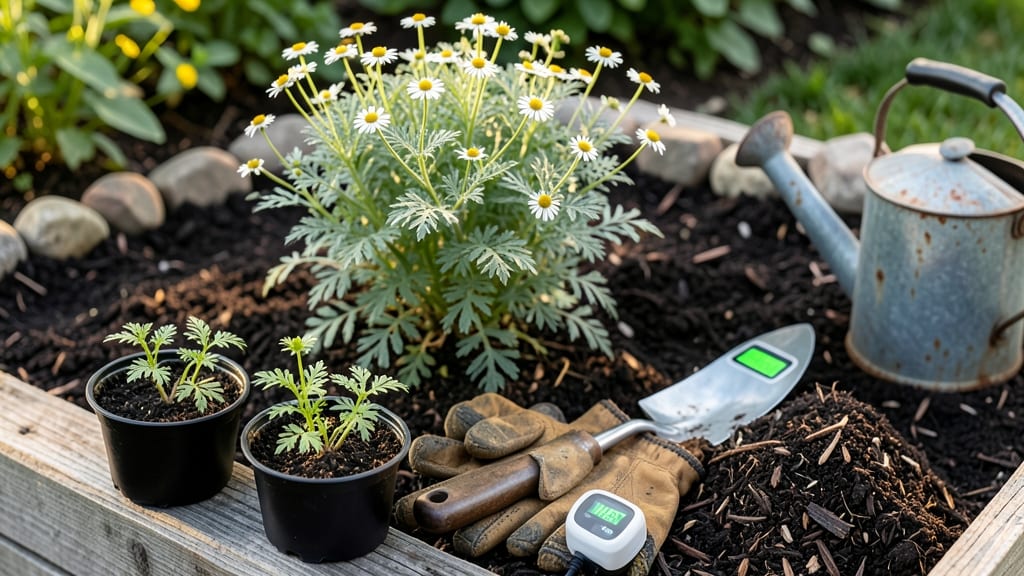
If you’ve ever dreamed of harvesting fragrant 🌼 chamomile in your Texas garden but hesitated over timing, you’re not alone—getting it wrong can mean missed blooms or frost-damaged plants.
The key to success lies in planting during Texas’s cooler months, when temperatures are mild enough to prevent bolting but warm enough to encourage strong root growth.
For most of Texas—especially zones 8a-10b—the sweet spot is September through November for fall planting or February to March in spring. This timing aligns perfectly with avoiding frost while giving your chamomile enough time to establish before summer’s brutal heat arrives.
Why does this matter? Because chamomile thrives on consistency—too early, and you risk stunted growth; too late, and you’ll be chasing blooms in the oppressive Texas summer. I’ll break down the exact months for your region, plus pro tips to ensure your chamomile flourishes from seed to harvest.
Let’s dive into the ideal planting windows so you can enjoy those calming, white 🌼 blooms all season long—without the guesswork.
Best months to plant chamomile in Texas for frost-free growth
Texas’s diverse climate zones (from USDA 8a in North Texas to 10b in the Rio Grande Valley) mean your chamomile planting window depends on where you live. The safest bet? Fall planting (September–November) or early spring (February–March).
These windows avoid frost damage while giving your plants time to establish roots before Texas’s brutal summer heat.
In North Texas (like Dallas or Fort Worth), the last frost typically hits around February 15, so aim to plant German chamomile by mid-March.
For Central Texas (Austin, San Antonio), you’ve got a little more flexibility—plant in late February to early April—while South Texas (Houston, Corpus Christi) can start as early as January with minimal frost risk.
Here’s the golden rule: Soil temperature should be at least 50°F (10°C) for seeds to germinate. In Texas, this usually aligns with late winter/early spring or fall after Labor Day.
Planting too early (like January in North Texas) risks frost damage, while planting too late (June+) means your chamomile will bolt prematurely from the heat.
🌼 Texas Chamomile Planting Guide by Zone
| Zone | Ideal Planting Months | Last Frost Date | Soil Temp Threshold |
|---|---|---|---|
| North Texas (8a) | September–October or March | February 15 | 50°F (10°C) |
| Central Texas (8b-9a) | September–November or February–March | February 1 | 50°F (10°C) |
| South Texas (9b-10b) | September–December or January–February | January 1 | 55°F (13°C) |
Note: Roman chamomile is more heat-tolerant and can handle late spring plantings in South Texas.
For fall plantings, focus on September and October—this gives your chamomile time to grow roots before winter slows things down.
If you’re in North Texas and plant in November, use row covers to protect from early frosts. Spring plantings should happen by mid-March in North Texas to avoid the 100°F+ heat that stresses young seedlings.
Pro tip: Direct sow seeds instead of transplanting—chamomile hates root disturbance. Scatter seeds 1/4 inch deep in well-draining soil with full sun exposure. Keep the soil consistently moist (not soggy) until germination, which takes 3–10 days.
If you’re in a dry spell, use a light mulch (like straw) to retain moisture.
Watch for bolting (premature flowering) if you plant too late in spring. Chamomile bolts when days get too long or hot, so if your seeds sprout in April, they may flower quickly but produce smaller blooms.
To delay bolting, shade cloth (30–50%) can help in Central/South Texas during peak summer.
In South Texas, you can even try winter plantings (December–January) for spring blooms, but avoid planting in summer—the heat will stunt growth or cause leaf scorch. If you’re eager for flowers, fall-planted chamomile often blooms earlier (April–May) than spring-planted varieties (June–July).
Remember: Texas’s alkaline soil can be tricky. Amend with compost or peat moss to improve drainage and acidity slightly. Chamomile thrives in pH 6.0–7.0, so test your soil before planting to avoid nutrient deficiencies that weaken your plants.
Finally, harvest timing matters too! Fall-planted chamomile blooms 3–4 months after sowing, while spring-planted varieties take 4–5 months. Always harvest in the morning after dew dries for the best flavor and medicinal properties. 🌼
How to extend your chamomile season in Texas: fall planting tips for winter blooms
Fall planting is your secret weapon for winter chamomile blooms in Texas, where mild winters create a perfect niche for this delicate herb.
By sowing seeds in late summer or early fall, you’ll skip the brutal summer heat and enjoy fragrant blooms from December through March—just in time for holiday teas and stress relief.
Texas’s USDA zones 8a-10b offer a unique advantage: chamomile thrives in cooler temperatures and can even survive light frosts. The key is timing your fall planting to align with soil temperatures dropping below 80°F but before the first frost—typically mid-September to early November in most regions.
Here’s how to maximize your fall harvest with minimal effort:
For North Texas gardeners (zones 7b-8a), aim for late September planting to avoid early frosts, while South Texas (zones 9a-10b) can extend planting until mid-October. If you miss the fall window, don’t worry—spring planting in February still yields strong blooms, just later in the season.
Pro tip: Container-grown chamomile is perfect for Texas winters—simply move pots to a sunny garage or covered patio if temperatures drop below 20°F. This gives you control over soil moisture and protection from windburn, which can stress young plants.
With these fall strategies, you’ll enjoy year-round chamomile—from winter blooms to spring harvests—without the guesswork. Just remember: cool soil + patience = perfect chamomile.