
Plants
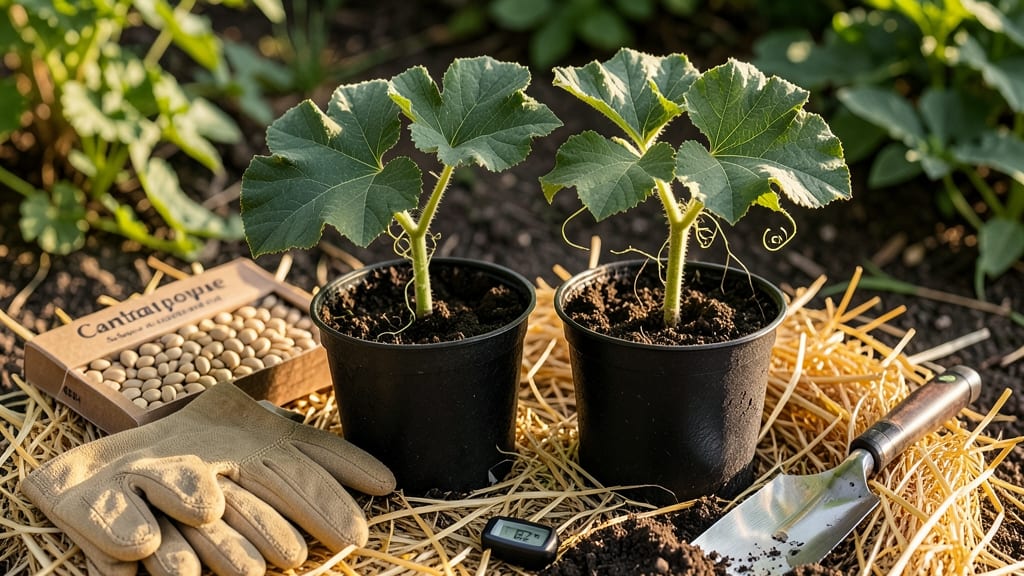
Planting cantaloupe in Georgia at the wrong time can mean the difference between a bumper crop of sweet, juicy 🍈 melons and a sad, frost-nipped disappointment.
With the right timing, you’ll enjoy ripe fruit from June through August—but get it wrong, and you might end up with nothing but empty vines.
Georgia’s warm climate gives cantaloupe growers a head start, but even here, frost risk lingers until late March or early April. The key is waiting until soil temperatures hit a steady 70°F—that’s when those vines will really take off.
Don’t rush it, though; planting too soon means weak seedlings struggling against chilly nights.
In this guide, I’ll break down the perfect planting window for your specific heat zone, whether you’re in the Blue Ridge Mountains or the coastal plains.
You’ll also discover practical tips to extend your season, choose the best varieties for Georgia’s heat, and avoid common mistakes that kill harvests before they begin.
Ready to grow cantaloupe like a pro? Let’s get your garden set up for success—because nothing beats that first taste of a vine-ripened melon straight from your own backyard.
Georgia’s cantaloupe planting timeline by heat zone (frost-free dates)
Georgia’s diverse climate—from the humid coastal plains to the cooler Blue Ridge Mountains—means cantaloupe planting times vary dramatically across USDA zones 6a–8b. In zone 8b (southeast GA), you can start as early as mid-February, while zone 6a (north GA) waits until mid-April to avoid frost.
The key? Soil temperatures must stay above 70°F for seeds to germinate properly.
Most Georgia gardeners aim for late March to early April as a safe middle ground, but microclimates matter.
Coastal areas like Savannah (zone 8a) can begin 2–3 weeks earlier than Atlanta (zone 7b), while mountain regions like Dahlonega (zone 6b) need to wait until after May 1 for consistent warmth. Always check your last average frost date—Georgia’s ranges from March 15 (coastal) to April 15 (mountains).
Here’s how to match your location to the perfect planting window:
For high-altitude gardens (e.g., Blue Ridge Mountains), consider transplants instead of direct sowing to give vines a head start. Start seeds indoors 4–6 weeks before your last frost date and harden them off before transferring.
In coastal zones, you can even experiment with fall plantings for a late-season harvest.
Pro tip: Use a soil thermometer to confirm readiness—cantaloupe seeds won’t sprout below 70°F, even if air temperatures feel warm. If your soil is still cool, black plastic mulch can raise temperatures by 5–10°F in just a few days.
This trick works especially well in zone 7a–7b where mornings can still dip into the 50s°F.
Remember, Georgia’s humidity means cantaloupe vines need spacious, well-draining beds. Crowding leads to powdery mildew, a common issue in zone 8a–8b. Space plants 3–4 feet apart in rows 5–6 feet apart to allow airflow and easy harvesting.
If you’re short on space, trellising can save room while improving fruit quality.
Once planted, consistent watering is critical—especially during Georgia’s dry summers. Aim for 1–2 inches of water per week, delivered at the base of the plant to avoid wetting leaves (which spreads disease).
Drip irrigation is ideal for large cantaloupe patches, as it keeps foliage dry while delivering moisture directly to roots.
Finally, watch for squash vine borers, a major pest in Georgia’s heat. Plant marigolds or nasturtiums
How to extend your cantaloupe season in Georgia (cold start vs. hot start methods)
Georgia’s variable spring temperatures can make cantaloupe planting tricky—especially in zones 6a–7a where late frosts linger. The two best strategies are cold-start (hardening off transplants) and hot-start (direct sowing after soil warms), each with unique pros and cons for your region.
For cold-start methods, begin with 6–8 week transplants indoors under grow lights in early February. This gives you a head start, but you’ll need to harden off seedlings gradually to avoid shock when moving them outdoors after April 15—the average last frost date for most of Georgia.
Alternatively, hot-start planting is simpler and risk-free if you wait until the soil temperature consistently hits 75°F+ (usually mid-April to early May in coastal areas). This method skips the transplanting step but requires patience for a delayed harvest.
✅ Pros:
- Earlier harvest by 2–3 weeks
- Better for short-season areas (e.g., Blue Ridge)
- More control over seedling health
✅ Pros:
- No transplant shock risk
- Stronger root systems from direct sowing
- Lower upfront cost (no seedling trays)
❌ Cons:
- Higher initial cost (grow lights, trays)
- Requires hardening off (1–2 weeks)
- Risk of overcrowding if not spaced properly
❌ Cons:
- Later harvest (misses early summer peak)
- Slower initial growth in cool soil
- Vulnerable to pests/weeds during germination
Cold-Start: Zones 6a–7a, high-altitude areas
Hot-Start: Zones 7b–8b, coastal plains
To extend your season further, use row covers or low tunnels for early spring plantings in zones 6a–7a. These can raise soil temperatures by 5–10°F, allowing you to plant 2–3 weeks earlier without frost risk. Just remove covers once vines start running to prevent overheating.
For late fall extensions, try succession planting in August for a small second harvest before the first frost. Choose fast-maturing varieties like ‘Crimson Sweet’ (70–75 days) and plant in well-draining soil with full sun to maximize growth.
Pro tip: Monitor your local AgriMet station or use a soil thermometer to track temperatures. Aim for consistent 75°F+ soil for 7+ days before planting—this ensures strong germination and vine development.