Plants
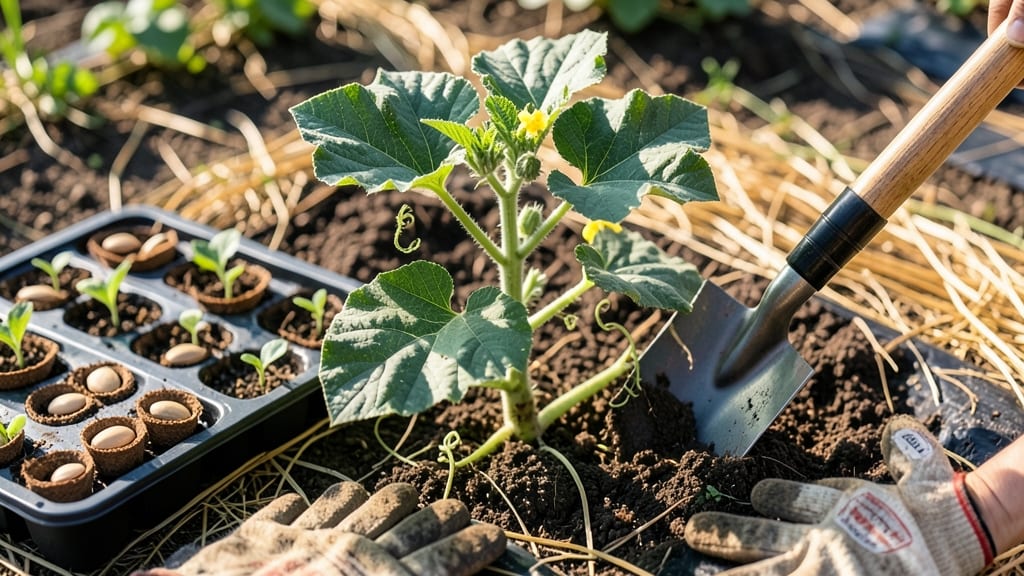
Timing your cantaloupe planting in Florida could make the difference between a bumper crop of sweet, juicy 🍈 melons and a disappointing harvest. Since Florida's frost-free climate gives you two prime windows—early spring and late summer—getting the schedule right is key to avoiding heat stress or missed opportunities.
Most gardeners in Florida's 9a-11 zones know the magic happens between February and April for spring crops, with a second chance from August to September for fall harvests. But here's the catch: soil temperature matters more than calendar dates.
Planting too early when the ground is still cool can stall growth, while waiting too long risks summer's brutal heat.
I've learned the hard way that cantaloupes need soil at 70°F or warmer to thrive, which is why black plastic mulch becomes your best friend in Florida gardens. Whether you're a backyard gardener or a small-scale farmer, these timing secrets will help you maximize your yield without the guesswork.
Let's break down exactly when to plant, how to prepare your soil, and which cantaloupe varieties perform best in Florida's unique climate—so you can enjoy homegrown melons from spring through fall.
Florida heat zone planting timeline for cantaloupe success
Florida’s climate offers two prime cantaloupe planting windows: early spring for summer harvests and late summer for fall crops. Unlike northern states, Florida gardeners don’t need to worry about frost—just soil temperature and heat stress management.
The key is planting when daytime temperatures consistently stay above 70°F and nights above 60°F.
North Florida (USDA Zones 8a-9a) has cooler winters, so gardeners should start seeds indoors in January for transplanting in February-March.
Central Florida (Zones 9b-10a) can plant directly outdoors in February-April, while South Florida (Zones 10b-11) enjoys a longer growing season and can plant year-round, though August-September is ideal for fall harvests.
Here’s how to align your planting with Florida’s heat zones for maximum success:
| Heat Zone | Planting Window | Soil Temp Requirement | Harvest Window | Key Challenge |
|---|---|---|---|---|
| North Florida (Zones 8a-9a) | Feb 15 - Mar 31 | 70°F+ | Apr 15 - Jun 15 | Cooler nights |
| Central Florida (Zones 9b-10a) | Feb 1 - Apr 15 | 70°F+ | Mar 15 - Jun 30 | Humidity spikes |
| South Florida (Zones 10b-11) | Aug 1 - Sep 15 | 75°F+ | Sep 15 - Nov 15 | Extreme heat |
For North Florida, I recommend starting seeds indoors in January to give seedlings a head start. Transplant outdoors after the last frost threat (which rarely occurs, but February 15 is a safe bet). Use black plastic mulch to warm soil faster and prevent cold soil stress.
In Central Florida, direct sowing in February-March works well, but avoid planting after April 15—summer heat can cause blossom drop and poor fruit set. For a fall crop, plant in August to harvest before cooler weather sets in.
South Florida gardeners have the most flexibility. Plant in August-September for fall harvests, but avoid June-July when temperatures exceed 95°F. Use shade cloth during peak heat to protect young plants.
Regardless of your zone, always test soil temperature with a thermometer—it should stay above 70°F for at least 7 days before planting. If your soil is too cool, use row covers or wait until conditions improve.
Pro tip: In North Florida, extend your season by planting heat-tolerant varieties like ‘Hale’s Best’ or ‘Ambrosia’—they handle Florida’s summer humidity better than standard types. For South Florida, prioritize early-maturing varieties to avoid hurricane season disruptions.
Timing isn’t just about months—it’s about microclimates. Urban gardens may need 1-2 weeks earlier planting than rural areas due to heat island effects. Always scout your specific location for 3-5 days before planting to gauge real-world conditions.
Florida heat zone planting timeline for cantaloupe success
Florida’s frost-free climate means cantaloupe can grow year-round—but timing still matters to avoid heat stress or pest surges. The state’s three distinct heat zones (North, Central, South) each have ideal planting windows tied to soil temperatures and day length.
North Florida gardeners should start in late February, while South Florida can plant as early as January for a spring harvest.
For a fall harvest, aim for mid-August to early September across all zones. This timing lets cantaloupe mature before cooler temperatures slow growth. Soil must reach 70°F before planting—use a soil thermometer to check, especially in North Florida’s cooler mornings.
Black plastic mulch warms soil faster, giving you a 2-week head start in marginal zones.
| Zone | Ideal Planting Window | Soil Temp Requirement | Harvest Window |
|---|---|---|---|
| North Florida (Zones 8a-9a) | Late February–March 15 | 70°F+ (use mulch) | April–June |
| Central Florida (Zones 9b-10a) | January–March 30 | 68°F+ (warmer earlier) | March–May |
| South Florida (Zones 10b-11) | January–April 15 | 65°F+ (tropical heat helps) | February–June |
| Fall Crop (All Zones) | Mid-August–September 10 | 70°F+ (cooler nights tolerated) | September–November |
North Florida gardeners face the biggest challenge: cool spring nights can delay germination. Start seeds indoors in biodegradable pots 4 weeks before your target date, then transplant after last frost risk passes (typically mid-March).
In South Florida, the real hurdle is humidity and pests—plant in raised beds with drip irrigation to keep foliage dry.
Day length also plays a role. Cantaloupe needs 14+ hours of daylight for optimal fruit set. In North Florida’s shorter spring days, choose early-maturing varieties (60-70 days) to beat the summer heat.
For Central and South Florida, longer days mean you can grow larger-fruited varieties like ‘Athena’ or ‘Hale’s Best’, which thrive in 90°F+ temperatures.
Pro tip: Succession planting works in Florida. After your first harvest, replant every 2 weeks through June for a staggered fall crop. Just watch for cucumber beetles, which surge in July-August—use row covers if needed.
With the right timing, you can enjoy cantaloupe twice a year in Florida’s climate.
🌱