
Plants
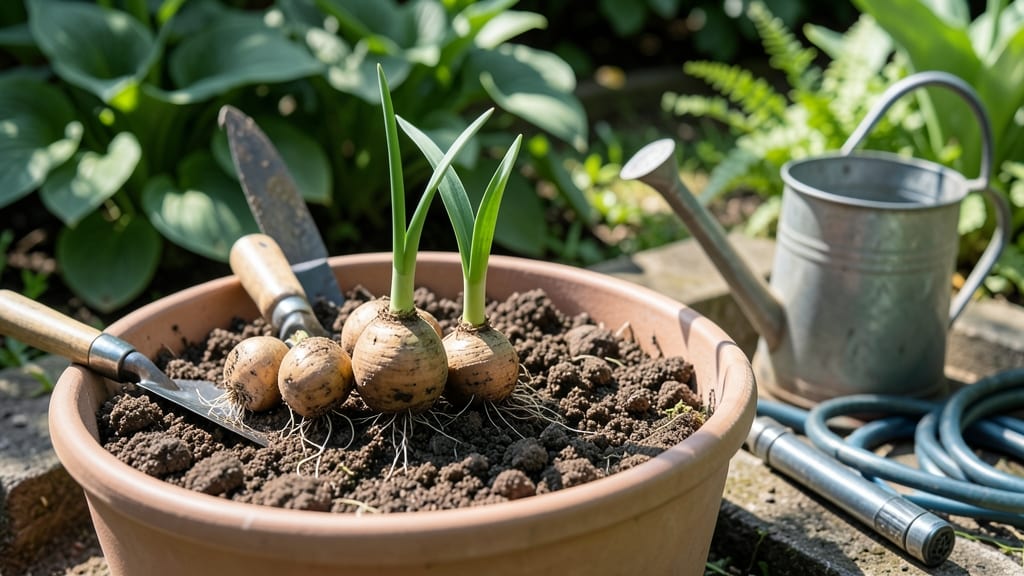
Timing when to plant calla lily bulbs in Ontario can mean the difference between stunning summer blooms and a wasted investment. With frost dates shifting unpredictably across Zones 5b-6a, getting it wrong risks losing these dramatic perennials before they even show their striking foliage.
Most gardeners assume late spring is the only window, but Ontario’s climate actually offers a two-season opportunity—spring and fall—if you know the local frost-free rules.
I’ll break down exactly when to plant for maximum blooms, whether you’re in Toronto’s urban heat islands or rural areas where nights still dip below freezing.
You’ll learn how to calculate your exact last-frost date, prepare soil for Ontario’s heavy clay, and even use containers to extend the season in cooler regions. These tips will help you avoid the most common mistakes that leave calla lilies struggling to thrive in our unpredictable weather.
Ready to transform your garden with bold, 3-foot-tall calla lilies that last all summer? Let’s get started with the perfect planting schedule for your Ontario zone.
Ontario’s frost-free Zone map: best planting months by region
Calla lilies (Zantedeschia aethiopica) thrive in Ontario’s USDA Zones 4-9, but their planting window shifts dramatically depending on whether you’re in Toronto (Zone 6a), Ottawa (Zone 5b), or Sault Ste.
Marie (Zone 4a). The key? Planting after the last frost date when soil temperatures hit 60°F (15°C)—usually late May to early June in most regions.
Southern Ontario gardeners (Zones 5-6) enjoy a 3-4 week longer window than Northern Ontario growers (Zones 3-4). In Toronto and Hamilton, you can plant as early as mid-May, while Sudbury and North Bay should wait until late June to avoid frost damage.
Always check your local Environment Canada frost forecast for precise timing.
Here’s how Ontario’s regions break down for calla lily bulb planting:
| Region | USDA Zone | Last Frost Date | Ideal Planting Window | Soil Temp Requirement |
|---|---|---|---|---|
| Southern Ontario | 5b-6a | Mid-May | Late May - Early June | 60°F (15°C) |
| Central Ontario | 4b-5a | Early June | Late June - Early July | 60°F (15°C) |
| Northern Ontario | 3b-4a | Late June | Early July - Mid-July | 65°F (18°C) |
For urban gardeners in Toronto or Ottawa, container planting extends your window. Start bulbs indoors 6-8 weeks before your last frost date, then transplant after May long weekend. This trick works especially well for variegated calla lilies, which need extra warmth to thrive.
Northern Ontario’s shorter season demands patience. If you plant too early, frost damage will blacken leaves and stunt growth. Instead, opt for hardier varieties like 'Black Star' or use black plastic mulch to warm soil faster.
In Zone 4 or colder, consider treating calla lilies as annuals—dig up bulbs before frost and store them indoors.
Always amend your soil with compost or peat moss to improve drainage, as calla lilies hate soggy roots. In clay-heavy soils (common in Southern Ontario), mix in perlite or sand to prevent rot. The goal? Well-draining, slightly acidic soil (pH 6.0-7.0) that mimics their native South African habitat.
Missed the planting window? No problem! Calla lilies tolerate late summer planting too—just expect smaller blooms the first year. For maximum impact, aim for June 1-15 in most of Ontario. This timing ensures blooms arrive by July 4th, perfect for summer garden displays.
Remember: Calla lilies are frost-sensitive, but their rhizomes (bulbs) can survive light frosts if mulched. In Zone 5 and below, add a 4-inch layer of straw mulch after the first frost to protect them through winter.
This simple step lets you replant the same spot yearly without digging up bulbs.
For Ontario’s microclimates (like Niagara’s warmer zones or Algonquin’s cooler valleys), adjust by 1-2 weeks. When in doubt, wait until after June 21st—the summer solstice marks a safer bet for most regions. Your calla lilies will reward you with bold, glossy blooms from July to September.
How to time calla lily planting for maximum blooms in Ontario’s climate
Timing your calla lily bulb planting is the secret to bold summer blooms in Ontario’s variable climate. Since calla lilies (Zantedeschia spp.) thrive in warm soil and hate frost, your goal is to plant them after the last frost but before the dog days of summer heat sets in.
For most of Ontario, this window is late May to early July, but your exact timing depends on your USDA zone and local frost patterns.
Start by checking your last frost date—Ontario’s ranges from mid-May in Zone 6 (Southern Ontario) to early June in Zone 4 (Central/Northern Ontario). Plant your bulbs 2-4 weeks after your last frost date, once soil temperatures consistently reach 60°F (15°C).
Use a soil thermometer to confirm—calla lilies won’t sprout until the ground warms up!
🌱 Step-by-Step Planting Timeline for Ontario
- 1. Research your zone: Check if you’re in Zone 4-6 (most of Ontario).
- 2. Track frost dates: Use Environment Canada or local garden clubs for updates.
- 3. Test soil temp: Wait until it’s 60°F (15°C) at 4" depth.
- 4. Prep soil: Mix in compost for drainage; callas hate soggy roots.
- 5. Plant bulbs: Bury 2-4 inches deep, 6-8" apart in partial shade.
- 6. Mulch lightly: Use straw or shredded leaves to retain moisture.
If you’re in a colder region (Zone 4), consider starting bulbs indoors in April to give them a head start. Use a seed tray with potting mix and place near a sunny window or under grow lights.
Transplant outdoors after the last frost, but harden them off first by gradually exposing them to outdoor conditions over 7-10 days.
For urban gardeners or those with short seasons, container planting is a game-changer. Use large pots (12"+ depth) with fast-draining mix (add perlite or sand). Plant bulbs in May and move containers to a sunny patio in summer.
Bring them indoors before the first frost (mid-October) and store bulbs in a cool, dry place over winter.
Pro tip: Mark your planting date on a calendar and set a reminder for late summer (August) to divide clumps. Calla lilies multiply quickly, and overcrowding leads to fewer blooms. Dig up bulbs, separate the corms, and replant a portion to keep your display thriving.
Finally, don’t forget to feed your calla lilies after planting. Use a balanced fertilizer (5-10-10) at half-strength to encourage root growth. Avoid high-nitrogen fertilizers—they’ll boost foliage but reduce blooms.
Water deeply once a week (more in summer heat) and always in the morning to prevent fungal diseases like botrytis.