
Plants
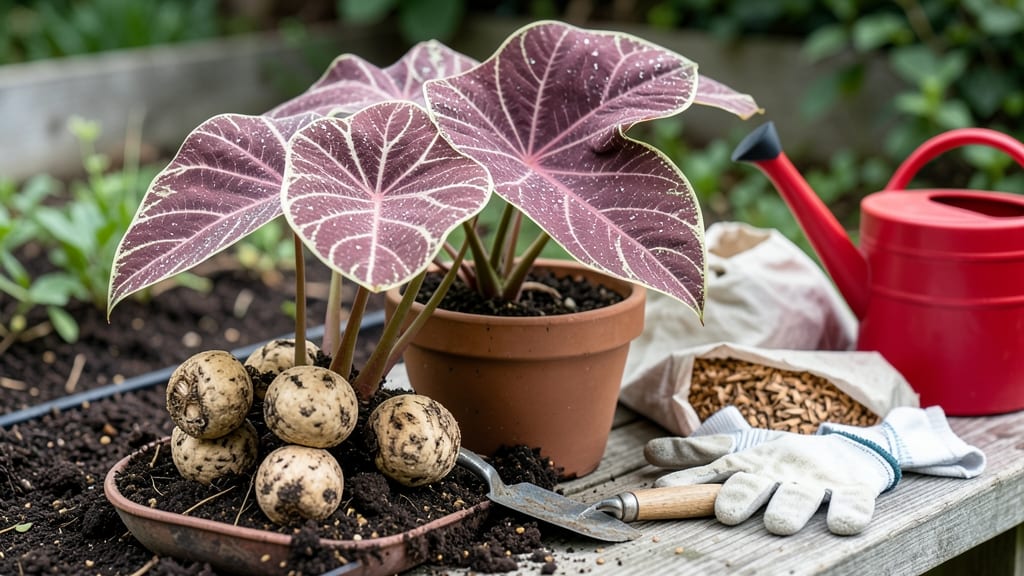
Timing the planting of your Caladium bulbs in Texas can make or break their stunning foliage display—get it wrong, and you’ll end up with wilted leaves or missed seasons entirely.
The key is waiting until after the last frost, when soil temperatures hit at least 60°F, but before the brutal summer sun peaks.
For most of Texas (USDA zones 6a-10a), that sweet spot lands in April or early May, but regional microclimates throw a wrench in the plan.
North Texas gardeners might wait until late April, while South Texas can plant as early as March—just watch for those unexpected cold snaps.
This isn’t just about avoiding frost; it’s about giving your 🌿 Caladium the perfect start in well-drained, slightly acidic soil. Too early, and the bulbs rot; too late, and you’ll miss the vibrant leaves that make these plants a showstopper.
Let’s break down the exact timing and care tips to keep your garden thriving all summer long.
Ready to transform your yard with bold, heat-loving foliage? I’ll walk you through the best months, soil prep, and even how to extend their season—so you can enjoy these tropical beauties from spring through fall without a hitch.
Texas heat-zone planting calendar for caladium bulbs
Caladium bulbs thrive in Texas’s humid summers but demand precise timing to avoid frost damage or heat stress. Since Texas spans USDA zones 6a–10a, your planting window shifts from North to South.
In North Texas (6a-7a), wait until mid-April after the last frost (usually February 15), while South Texas (9a-10a) gardeners can plant as early as late March. The key? Soil temperatures must stay above 60°F for roots to establish.
Missed the spring window? Don’t panic—caladiums tolerate late summer planting (June) if you provide partial shade and consistent moisture. However, foliage may appear less vibrant if planted after July 1, as Texas’s 100°F+ heat can stress young tubers.
Urban areas with heat islands (like Dallas or Houston) may need to delay planting by 1–2 weeks to avoid premature wilting.
Here’s a quick rule of thumb: Plant caladium bulbs 4–6 weeks before your area’s average last frost date. For example, Austin (8a) targets April 1–15, while El Paso (7a) waits until May 1.
Always check your local Texas A&M AgriLife Extension for frost data—it’s your best friend for timing!
| Texas Region | USDA Zone | Ideal Planting Window | Soil Temp Threshold | Notes |
|---|---|---|---|---|
| North Texas (Dallas, Fort Worth) | 6a–7a | Mid-April to early May | ≥60°F | Wait for last frost (Feb 15). |
| Central Texas (Austin, San Antonio) | 8a–8b | Late March to April | ≥60°F | Urban areas may need shade cloth. |
| South Texas (Houston, Corpus Christi) | 9a–10a | Late March to early April | ≥65°F | Humidity helps; mulch heavily. |
| West Texas (El Paso, Lubbock) | 7a–8a | Early May | ≥60°F | Dry climate; water deeply after planting. |
Pro tip: Use a soil thermometer to confirm warmth—caladiums hate cold soil. Bury bulbs 2–3 inches deep in well-draining soil mixed with compost. In containers, opt for well-draining pots with drainage holes to prevent rot, especially in humid East Texas.
If you’re in a high-desert area (like Midland or Odessa), extend your window by planting in shaded containers and watering daily until established. These bulbs won’t tolerate frost, so dig them up before November 1 in North Texas or December 15 in South Texas.
Store them in a cool, dry place until next spring!
For container gardeners, you can plant anytime after last frost—just ensure pots stay consistently moist. Containers heat up faster, so move them to shadier spots by June to protect foliage from sun scorch.
Varieties like ‘White Queen’ or ‘Pink Beauty’ thrive in pots, making them perfect for balconies or patios.
Remember: Caladiums are not cold-hardy. Even a light frost will kill them, so always monitor local weather forecasts. If an early frost threatens, cover plants with frost cloth or move containers indoors.
With the right timing, your caladiums will reward you with stunning, tropical foliage from summer through fall.
Need a visual guide? Bookmark the Texas
Texas heat-zone planting calendar for caladium bulbs
Texas gardeners know that caladium bulbs thrive in spring warmth, but the exact timing depends on your USDA zone and local microclimates. In North Texas (Zones 7b-8a), aim for mid-April after the average last frost date (around February 15).
Meanwhile, South Texas (Zones 9a-10a) can plant as early as late March, while West Texas (Zones 7a-8b) should wait until late April to avoid soil rot from lingering cool nights.
Soil temperature is your best indicator—caladiums need consistent warmth above 60°F. Use a soil thermometer to confirm readiness, especially in urban heat islands where pavement can delay cooling. In high desert areas like El Paso, wait until May to ensure stable warmth and avoid spring frost pockets.
For container growing, you can plant 2-4 weeks earlier since pots warm faster. Just ensure your container has drainage holes to prevent root rot in Texas’s clay-heavy soils.
If you’re in Zone 9 or higher, you can even plant as late as June for a fall display, though foliage may be less vibrant.
| Texas Region | USDA Zone | Planting Window | Soil Temp Threshold |
|---|---|---|---|
| North Texas (Dallas, Fort Worth) | 7b-8a | Mid-April | 60°F+ |
| East Texas (Houston, Tyler) | 8a-9a | Late March | 60°F+ |
| South Texas (San Antonio, Corpus Christi) | 9a-10a | Late March | 60°F+ |
| West Texas (El Paso, Lubbock) | 7a-8b | Late April | 65°F+ |
If you’re unsure about your last frost date, check the Texas A&M AgriLife Extension or use a frost calendar app. For urban gardeners, microclimates can shift planting by 1-2 weeks—observe nearby plants like oleanders or bougainvillea, which signal consistent warmth.
Once planted, mulch heavily (2-3 inches) to retain moisture and protect tubers from Texas’s brutal summer heat.
Pro tip: Pre-soak bulbs for 24 hours before planting to boost root growth. This is especially helpful in dry West Texas where soil can be bone-dry despite warm temperatures. Pair this with drip irrigation to keep soil evenly moist without overwatering.
Remember, caladiums are tropical and hate frost. If an unexpected late frost threatens, cover plants with frost cloth or move containers to a sheltered spot. With the right timing, your bold foliage will shine from late spring to frost—a Texas gardener’s dream! 🌿