
Plants
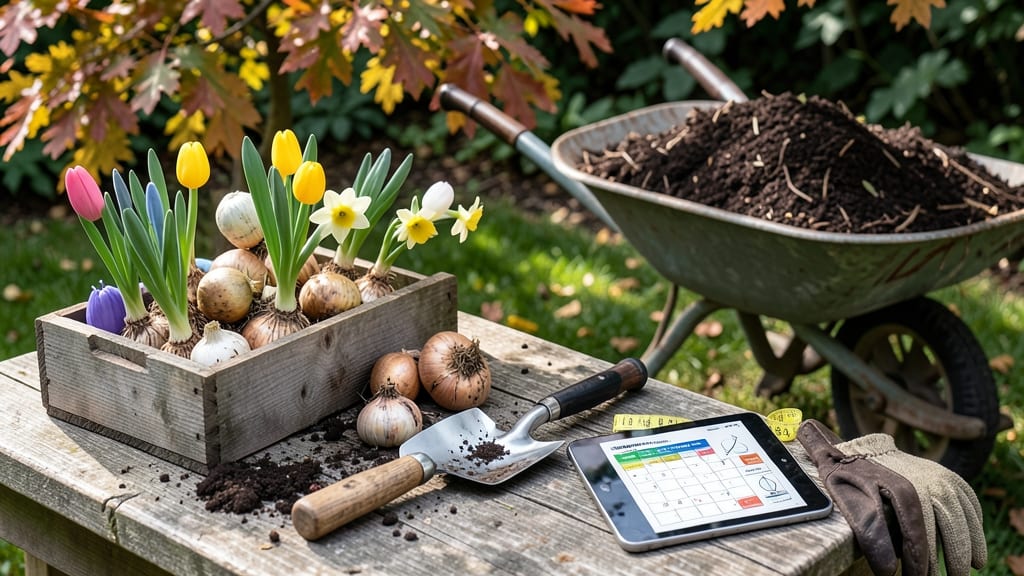
Planting bulbs in Kentucky at the wrong time could mean the difference between a showstopping spring display and a sad, frost-nipped disappointment. With Kentucky’s Zone 6a climate, timing isn’t just important—it’s the key to success for your 🌷 tulips, daffodils, and crocuses.
Most gardeners know fall is the prime window, but did you know Kentucky’s first frost typically hits around October 15? That means you’ve got just 6-8 weeks to get those bulbs in the ground before winter sets in.
Plant too late, and your blooms might never make it past the frost.
But here’s the thing: spring planting works too, if you play your cards right. We’ll break down exactly when to plant in fall vs. spring, plus how to adjust for Kentucky’s microclimates—whether you’re in a chilly mountain valley or a warmer urban pocket. No more guessing games.
Ready to guarantee those vibrant spring blooms? Let’s dive into the perfect planting schedule for your Kentucky garden, so you can enjoy zero-frost success every time.
Kentucky Zone 6b bulb planting deadlines by month (with frost risk factors)
Kentucky’s Zone 6b climate means your spring bulbs like tulips and daffodils need precise timing to survive winter. Plant too early, and they’ll rot in soggy soil. Too late, and frost will kill them before roots establish. The key? Soil temperatures and frost probability—both critical for zero-frost success.
Fall planting is ideal for most bulbs, but Kentucky’s first frost typically hits around October 15. That means you’ve got just 6-8 weeks to get bulbs in the ground before the soil freezes.
Spring planting is riskier but possible if done right—4-6 weeks before last frost (around March 15).
Soil temperature is your best guide: aim for 40–50°F when planting. Use a soil thermometer to check—cool but not frozen soil is perfect. If temps drop below freezing, bulbs won’t root properly, and frost damage is inevitable.
Here’s your Kentucky-specific planting timeline, including frost risk factors and ideal soil conditions for each month:
| Month | Planting Window | Soil Temp Goal | Frost Risk | Best Bulbs |
|---|---|---|---|---|
| September | Early planting (high risk) | 50–60°F | Low (but watch late frosts) | Daffodils, Alliums |
| October | Ideal window (6–8 weeks before frost) | 40–50°F | Moderate (frost likely by late Oct) | Tulips, Hyacinths, Crocus |
| November | Last chance (soil must be unfrozen) | 35–45°F | High (frost imminent) | Daffodils, Snowdrops |
| March | Spring planting (4–6 weeks before last frost) | 45–55°F | Low (but monitor forecasts) | Tulips, Crocus |
| April | Too late (unless soil warms fast) | 50°F+ | Very low (but blooms may be stunted) | Daffodils (hardiest) |
Kentucky’s microclimates can shift planting deadlines by weeks. For example, mountain valleys (like those in eastern Kentucky) freeze earlier than urban heat islands (e.g., Louisville). If you’re in a colder pocket, plant 2 weeks earlier than the average.
Conversely, warmer microclimates near rivers or pavement may allow a 1-week extension.
For spring planting, focus on hardy bulbs like daffodils—they tolerate cooler soils better than tulips. If you’re late, pre-warm the soil with black plastic sheeting for 1–2 weeks before planting to mimic ideal fall conditions.
Missed the window? Don’t panic. Forced dormancy can save late plantings: store bulbs in a cool, dry place (35–40°F) until soil conditions improve. Just be ready for smaller blooms or delayed flowering.
Remember: Kentucky’s frost dates vary yearly. Always check the National Weather Service or local Cooperative Extension for updates. With the right timing, your bulbs will reward you with bold spring blooms—no frost damage in sight! 🌷
How to adjust planting timing for Kentucky’s microclimates (cold sinks vs. urban heat islands)
Kentucky’s diverse geography—from mountain valleys to urban heat islands—means your neighbors’ planting deadlines might not match yours. A cold sink like the Cumberland Gap can freeze weeks earlier than Lexington’s urban heat island, where concrete and pavement delay frost.
Adjust your schedule using these microclimate-specific rules to avoid frost damage.
Start by identifying your local frost risk zone. Use the USDA’s frost probability maps or check your county’s average first frost date—most of Kentucky falls between October 15 and November 1, but elevations above 2,000 feet can shift this by 2–3 weeks earlier.
For example, Mountain City’s bulbs should go in by mid-October, while Louisville’s can wait until late October.
🌡️ Kentucky Microclimate Planting Adjustments
| Microclimate | Frost Shift | Planting Adjustment | Soil Prep Tip |
|---|---|---|---|
| Mountain Valleys (e.g., Pine Mountain) | 2–3 weeks earlier | Plant by mid-October | Add 4–6 inches of straw mulch after planting |
| Urban Areas (e.g., Lexington, Louisville) | 1–2 weeks later | Plant by late October | Use black plastic mulch to warm soil |
| River Valleys (e.g., Ohio River) | 1 week earlier | Plant by early October | Plant deeper (8–10 inches) for insulation |
🌱 Note: Adjust bulb depth based on soil type—sandy soils need deeper planting.
For urban gardeners, combat heat retention by planting earlier than the average date and using soil thermometers (aim for 60°F soil temp at 6 inches deep).
If your yard is south-facing with pavement, the soil stays warmer longer—plant daffodils and alliums by October 1 to avoid premature sprouting before winter.
In rural or elevated areas, prioritize insulation over timing. After planting, cover bulbs with straw or leaves (4–6 inches) to create a natural frost barrier. For tulips and hyacinths, which are less cold-hardy, add a thick layer of mulch in early November once the ground freezes.
Pro tip: Test your soil’s readiness with a $10 soil thermometer. Bulbs need 40–50°F soil to root before winter. If your soil is above 50°F in late October, delay planting by 1–2 weeks to prevent rot from warm, wet soil.
This is critical in Kentucky’s wet fall, where soggy soil can kill bulbs faster than frost.
Finally, group bulbs by type in your garden. Daffodils and alliums (hardy to -20°F) can handle late fall planting, while tulips and hyacinths (hardy to -15°F) need earlier dates. Use this microclimate map to plan: Kentucky Climate Map.