
Plants
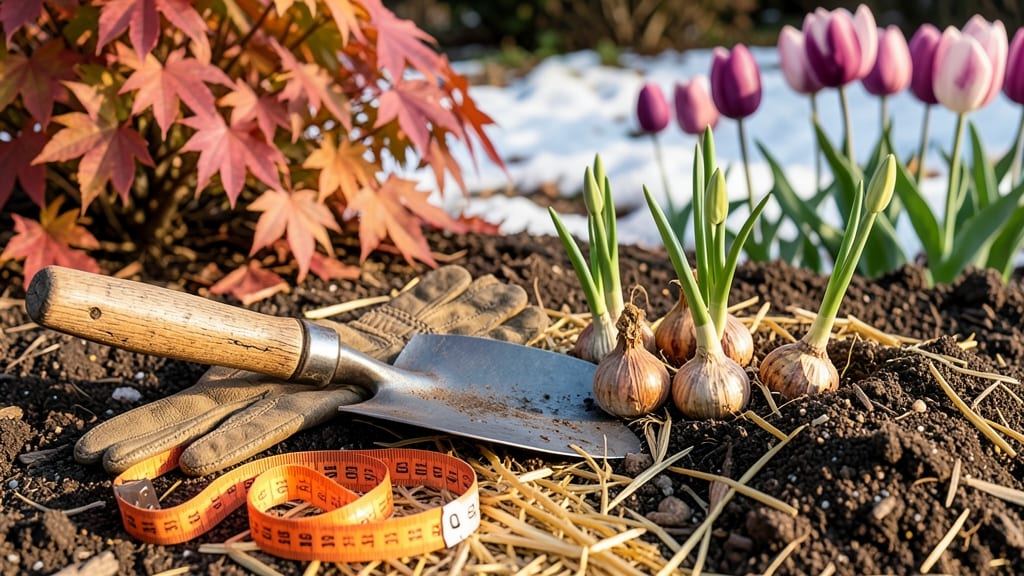
Planting bulbs in Minnesota at the wrong time can mean the difference between a vibrant spring garden and a frost-killed disappointment. The key to success in Zone 4B lies in understanding the narrow window between summer’s warmth and winter’s chill—typically between late August and early October.
I’ve learned the hard way that rushing or waiting too long can leave your 🌷 tulips and daffodils struggling to establish roots before the ground freezes.
Whether you’re a seasoned gardener or just starting, timing matters more than you might think—especially when Minnesota’s first frost can sneak up faster than expected.
In this guide, I’ll break down the exact planting schedule for your favorite bulbs, including when to plant each type for reliable blooms next spring.
You’ll also discover how to adjust for regional differences (yes, northern MN is trickier than the south) and avoid the most common mistakes that kill bulbs before they even sprout.
Ready to transform your garden into a burst of color? Let’s get those bulbs in the ground at the perfect moment—so you can enjoy the fruits of your labor when spring finally arrives.
Minnesota bulb planting calendar by month: exact dates for spring and fall success
Timing your bulb planting in Minnesota's Zone 4B means beating the first frost (typically October 15) while giving roots time to establish before winter. Most gardeners focus on fall planting—the ideal window—but spring options exist for late bloomers.
Let’s break it down by month with frost-risk analysis to maximize your spring blooms.
For fall planting, aim to finish by early October (6 weeks before frost).
This gives bulbs time to root before cold sets in. September is the sweet spot for most varieties, but northern Minnesota may need to start earlier. Spring planting is riskier but works for hardy varieties like daffodils planted in April once soil thaws.
🌱 Key Rule: Plant bulbs 6 inches deep (or 3x their height) in well-draining soil. In clay-heavy Minnesota soils, amend with compost to prevent rot. Use a soil thermometer—roots need 40–50°F soil to establish.
Here’s your month-by-month planting calendar with frost-risk adjustments for Zone 4B:
| Month | Planting Window | Best Bulbs | Frost Risk | Soil Prep |
|---|---|---|---|---|
| August | Early August (southern MN) to mid-August (northern MN) | Tulips, Hyacinths, Alliums | Low (6+ weeks until frost) | Test soil moisture; amend with compost |
| September | Entire month (peak: mid-Sept) | Daffodils, Crocuses, Fritillaries | Moderate (4–6 weeks until frost) | Add bone meal (1 tbsp per hole) |
| October | Early October (southern) to mid-October (northern) | Snowdrops, Winter Aconite | High (1–2 weeks until frost) | Mulch heavily (4" straw) |
| April | After last frost (mid-April) | Daffodils, Grape Hyacinths | Low (spring blooms only) | Warm soil with black plastic |
Northern Minnesota (Zone 4A) should plant 2 weeks earlier than the calendar suggests. For example, Twin Cities gardeners can push tulips into early October, while Duluth gardeners should finish by September 20. Always check your local frost dates—the MN State Climatology Office provides updated forecasts.
Pro fall planters use organic mulch (straw or leaves) after planting to insulate bulbs. Remove mulch in early spring to prevent rot. Spring planters should wait until soil reaches 50°F—use a soil thermometer to avoid cold shock.
For container gardening, plant bulbs in well-draining pots and move them to a garage if frost threatens.
🌿 Microclimate Tip: Urban areas (like Minneapolis) stay warmer than rural zones. Plant heat-loving bulbs (e.g., dahlias) in south-facing beds for extended blooms. In shady yards, choose woodland bulbs like Siberian squill or glory-of-the-snow.
Miss the fall window? Don’t panic. Daffodils and alliums tolerate spring planting (April), though blooms may arrive 2–3 weeks later. For tulips, spring planting rarely yields flowers—save them for fall. Paperwhite narcissus are the exception: plant them indoors in water for holiday blooms!
💡 Pro Move: Label your bulbs with planting dates and varieties. Use biodegradable markers or a spreadsheet to track which bulbs need division (every 3–5 years for most types). Overcrowding reduces bloom size and floriferousness.
Minnesota bulb planting calendar by month: exact dates for spring and fall success
Timing is everything when planting bulbs in Minnesota’s Zone 4B. The key window is 6 weeks before the ground freezes, usually between mid-September and mid-October. For spring planting, aim for April after the last frost, but most bulbs prefer fall planting for winter root growth.
Minnesota’s first frost typically arrives October 15, so don’t wait until November—bulbs need time to establish roots before winter. Northern Minnesota (Zone 4a) may need to plant 2-3 weeks earlier than southern areas (Zone 5a). Always check your local frost dates for precision.
🌱 Did You Know? Bulbs planted in fall bloom earlier than spring-planted ones because they’ve had months to grow roots in the cold soil. This head start gives you vibrant spring color when other plants are still dormant.
| Month | Planting Window | Bulb Types | Soil Temp | Key Tip |
|---|---|---|---|---|
| September | Early to mid | Tulips, Daffodils, Hyacinths | 50-60°F | Plant in well-draining soil to prevent rot. |
| October | Mid to late | Alliums, Crocuses, Snowdrops | 40-50°F | Add mulch (3-4 inches) after planting. |
| April | After last frost | Caladiums, Begonias | 55°F+ | Use warm soil to prevent shock. |
| May | Early | Gladiolus, Dahlias | 60°F+ | Plant after soil warms to avoid frost damage. |
For fall planting, prioritize bulbs like tulips and daffodils—they thrive in Minnesota’s cold winters. Plant them 6 inches deep (or 3x the bulb’s height) in loose, sandy soil. If your soil is heavy clay, mix in compost or perlite to improve drainage.
Spring planting is riskier but works for tender bulbs like cannas. Wait until after May 15 when nighttime temps stay above 50°F. Harden off bulbs indoors for 1-2 weeks before transplanting to avoid shock.
Pro tip: Mark your planting calendar with local frost dates—Minnesota’s microclimates (urban vs. rural) can shift frost timing by 1-2 weeks. Use a planting depth gauge to ensure consistent spacing for healthy blooms next spring.