
Plants
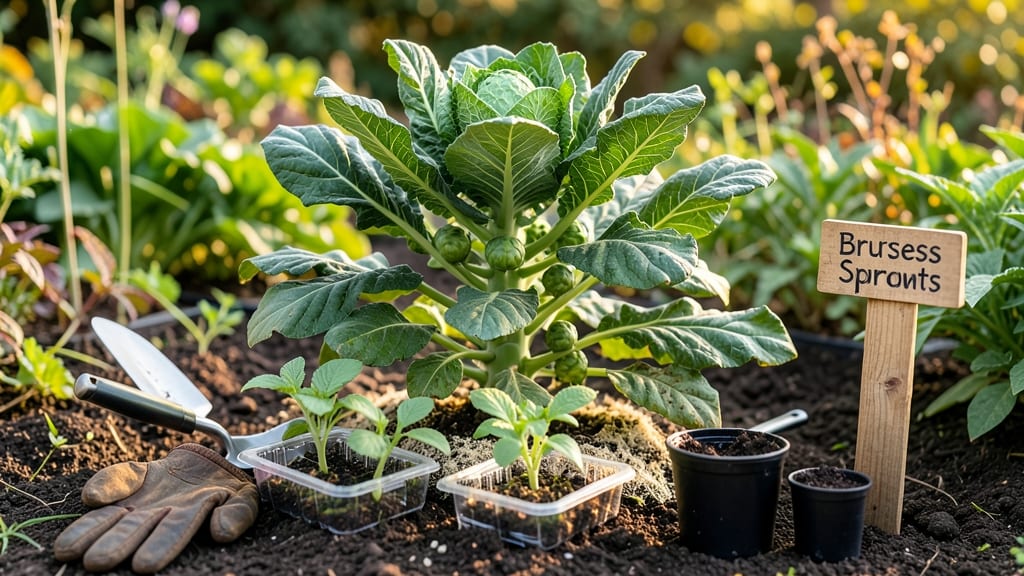
If you’ve ever wondered why your 🥦 Brussel sprouts turn bitter or bolt in Zone 8, the answer starts with when you plant them. Timing these cool-weather lovers wrong means sacrificing flavor and yield—even in mild climates like yours.
The secret? Planting in August or September for a fall harvest, but not too late before frost creeps in.
Here’s the catch: Zone 8’s warm winters and unpredictable frost dates make Brussels sprouts tricky. Skip the summer heat, and you’ll miss the 90-day growth window before cold sets in. But plant too late, and frost can ruin your crop before it matures.
I’ll break down the exact windows—plus pro tips to avoid common mistakes—so you can grow sweet, tender sprouts every season.
Whether you’re starting from seeds or transplants, knowing the right soil temps and spacing is half the battle. Let’s dive into the perfect planting schedule for your Zone 8 garden, so you can harvest like a local—no guesswork, just great-tasting Brussels.
Ready to master the timing? You’ll learn how to adjust for your specific microclimate, from Southern California’s mild winters to Atlanta’s occasional chills. No more wasted plants—just a steady supply of homegrown goodness.
Optimal Zone 8 planting windows for Brussel sprouts: fall timing explained
In Zone 8, the key to growing Brussel sprouts successfully lies in planting them during early fall—typically between mid-August and early September. This timing ensures your plants mature before the first frost, which usually hits around mid-January.
The cool weather of fall is ideal for Brussels sprouts, as they thrive in temperatures between 50°F and 70°F.
If you're in a milder microclimate, like coastal areas of Southern California, you can extend your planting window slightly later—even into early October. However, inland areas with colder nights, such as parts of Atlanta or Dallas, should stick to the earlier window to avoid frost damage.
Always check your local frost dates to adjust accordingly.
🌱
| Planting Window | Soil Temperature | Days to Harvest | Notes |
|---|---|---|---|
| Mid-August to Early September | 55°F - 65°F | 90 - 100 days | Best for most of Zone 8 |
| Early October (coastal areas) | 50°F - 60°F | 100 - 120 days | Risk of frost increases |
| February to Early March | 55°F - 65°F | 90 - 100 days | Spring harvest, avoid summer heat |
For direct sowing, aim to plant seeds 8-10 weeks before your first frost date. This means if your frost date is January 15th, you should plant by mid-November at the latest.
However, starting with transplants gives you more flexibility—you can plant them 2-3 weeks later than seeds, as they’ve already had a head start.
If you're unsure about your exact frost date, use the National Weather Service or local cooperative extension service for precise data.
Even a 1-2 week delay can mean the difference between a thriving crop and a frost-bitten failure. Soil temperature is just as critical as air temperature—Brussel sprouts need soil that’s at least 55°F to germinate properly.
Another pro tip: Succession planting can extend your harvest. Plant a second batch 4-6 weeks after your first planting to ensure a continuous supply of fresh sprouts. Just be sure to space them properly—each plant needs 18-24 inches of space to grow upright and avoid competition.
🌿
One common mistake in Zone 8 is planting Brussels sprouts too early in the season. If you start them in late spring or early summer, the intense heat can cause the plants to bolt (flower prematurely) or develop bitter-tasting sprouts.
Instead, focus on cool-season planting to get the sweetest, most flavorful harvest.
Finally, consider using cold-hardy varieties like 'Long Island Improved' or 'Jade Cross', which are better suited to Zone 8's mild winters. These varieties can tolerate light frosts and still produce high-quality sprouts.
With the right timing and care, you’ll be enjoying homegrown Brussels sprouts straight from your garden by late fall or early winter!
☀️
Optimal Zone 8 planting windows for Brussel sprouts: fall timing explained
Brussel sprouts love cool weather, but in Zone 8, the key is planting them early enough to mature before winter sets in. The ideal window is mid-August to early September, giving plants 8-10 weeks to grow before the first frost—typically around mid-December in most Zone 8 areas.
For Southern California or coastal regions, you might push planting to early October due to milder winters, but inland areas like Atlanta or Dallas should start by late August to avoid frost damage. Soil temperature should be below 80°F but above 50°F for optimal germination.
| Planting Window | Zone 8 Sub-Region | Soil Temp (°F) | First Frost Risk |
|---|---|---|---|
| Mid-August | Atlanta, Dallas | 50-75°F | High (Dec 15) |
| Early September | Southern California | 55-70°F | Low (Jan 10) |
| Late August | Phoenix, Tucson | 60-75°F | Moderate (Dec 20) |
Avoid planting in July or early August—the heat stress can stunt growth or cause bolting. Instead, opt for cold-hardy varieties like 'Long Island Improved' or 'Ruby Ball', which tolerate light frosts. If you miss the fall window, try late winter planting (February-March) for a spring harvest.
For direct sowing, scatter seeds ½ inch deep and 18 inches apart in rows spaced 2-3 feet apart. If using transplants, harden them off for 7-10 days before setting out. Mulch heavily with straw to protect roots from temperature swings in fall.
Harvest begins in November for fall plantings, continuing until January if frosts are light. Pick sprouts from the bottom up to encourage new growth higher on the stalk. Don’t wait too long—overripe sprouts become bitter and woody.
Timing your Zone 8 Brussel sprouts correctly means fewer pests, better flavor, and a harvest that lasts through winter. With the right planting window and care, you’ll enjoy homegrown sprouts that rival store-bought—without the pesticide residue or high cost.