
Plants
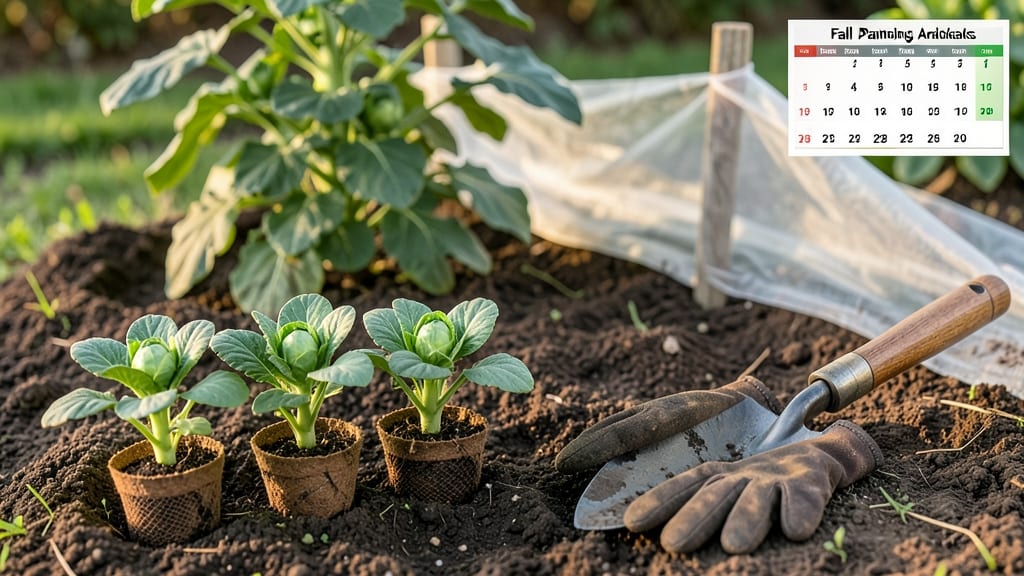
Planting Brussel sprouts 🥦 in Arkansas isn’t just about timing—it’s about outsmarting the state’s sweltering summers and unpredictable frosts. Get the schedule wrong, and you’ll either watch your plants bolt in July heat or lose your harvest to an early November freeze. The key? Two distinct planting windows that align with Arkansas’s 7a-8b climate, where cool-season crops thrive when temperatures dip below 80°F.
Most gardeners in Arkansas swear by late summer plantings—late July to early August—to ensure sprouts mature before the first frost hits around November 15. But spring planting (mid-March to early April) can also work if you choose heat-tolerant varieties and protect young plants from scorching afternoons.
The difference between a bumper crop and a bitter disappointment often comes down to these two critical windows and the varieties you pick.
Why does this matter? Because Arkansas’s humid subtropical climate means traditional cool-season crops like Brussel sprouts need extra care. Too early, and your plants will struggle with summer heat; too late, and frost will ruin your harvest before you even get to taste those sweet, flavorful sprouts.
I’ll walk you through the exact steps—from soil prep to transplanting—to guarantee your 🥦 plants thrive, no matter which window you choose.
Ready to grow Brussel sprouts that outperform the heat and frost? Let’s break down the perfect planting schedule, the best varieties for Arkansas, and how to extend your harvest season—even in the most challenging conditions.
Best planting windows for Brussel sprouts in Arkansas by variety
Arkansas gardeners face a unique challenge with Brussel sprouts: the state’s humid subtropical climate demands precise timing to avoid heat stress or frost damage. The key is planting when soil temps drop below 75°F—either in early spring (March) or late summer (July-August).
Northern Arkansas (USDA Zone 7a) has earlier frost dates than the southern Delta (Zone 8b), so adjust accordingly.
For fall harvests, aim to plant 4-6 weeks before the first frost (typically late July to early August). This gives sprouts enough time to mature before November’s first frost.
Spring plantings (mid-March) target a late fall harvest, but use heat-tolerant varieties like 'Long Island Improved' to survive Arkansas’s summer humidity.
Direct sowing is best for Arkansas gardeners—transplants struggle with heat stress during summer months. Start seeds indoors 6-8 weeks before the last frost (mid-January) if you prefer transplants, but harden them off carefully in shade cloth before moving outdoors.
Here’s how Arkansas’s microclimates affect timing:
- North Arkansas (Zone 7a): Plant March 15–April 1 for fall harvest or July 15–August 1 for winter harvest.
- Central Arkansas (Zone 7b): Shift dates 1 week later—March 22–April 8 or July 22–August 8.
- Southern Arkansas (Zone 8b):** Extend to April 1–15 or August 1–15 to avoid summer heat.
Arkansas’s humidity and summer heat make soil prep critical. Amend beds with compost and sand to improve drainage, and test pH (6.0–7.0). Avoid planting in low-lying areas where frost lingers longer. For container growing, use 5-gallon pots with well-draining mix—ideal for balconies in Zone 8b.
Pro tip: Mark your calendar for Arkansas’s average frost dates (March 15 for last frost, November 15 for first frost) using the UA Cooperative Extension’s frost map. Adjust planting by 1–2 weeks if you’re in a microclimate (e.g., valleys vs. ridges).
Heat-tolerant varieties like 'Ruby Ball' or 'Tasty Purple' are your best bets for Arkansas’s 90°F+ summers. These varieties handle short heat spells better than traditional types, but still need afternoon shade during peak summer. Pair them with succession planting every 2 weeks in August for a staggered harvest.
Remember: Brussel sprouts need cool nights (50–60°F) to sweeten. If summer temps stay above 80°F for weeks, your crop will bolt or taste bitter. Monitor soil temps with a thermometer—ideal range is 55–75°F.
For northern Arkansas gardeners, consider a second fall planting in early September for a December harvest. Use black plastic mulch to warm soil in spring or straw mulch to insulate roots in fall. These tricks help Arkansas’s variable climate work in your favor.
Best planting windows for Brussel sprouts in Arkansas by variety
Arkansas’s humid subtropical climate creates two ideal windows for Brussel sprouts: spring and fall. The key is planting when soil temps drop below 75°F—any warmer, and your plants will bolt or taste bitter.
In USDA Zones 7a-8b, aim for mid-March to early April for spring plantings or late July to early August for fall harvests.
Northern Arkansas (e.g., Fayetteville) has cooler microclimates than the Delta, so adjust timing 1-2 weeks earlier. Always check your last frost date—typically March 15—and plant 4-6 weeks before to ensure mature sprouts before winter.
Heat-tolerant varieties like ‘Long Island Improved’ or ‘Ruby Ball’ handle Arkansas’s summer better than traditional types.
| Variety Type | Planting Window | Days to Maturity | Arkansas-Specific Tip |
|---|---|---|---|
| Cool-Season (Standard) | Mid-March–Early April | 90–120 days | Use row covers for early spring protection. |
| Heat-Tolerant (e.g., ‘Ruby Ball’) | Late July–Early August | 80–100 days | Plant in partial shade to avoid bolting. |
| Dwarf Varieties (e.g., ‘Tasty-Top’) | Early April or Late August | 75–90 days | Ideal for containers in urban Arkansas gardens. |
Direct sowing is best for Arkansas gardens—transplants struggle with the state’s humidity and heat stress. Sow seeds ½-inch deep, 2 inches apart, and thin to 18 inches apart once seedlings reach 4 inches tall.
For fall plantings, prioritize shade cloth (30-50%) during August’s 90°F+ days to prevent bolting.
Southern Arkansas (e.g., Little Rock) can push fall plantings 2 weeks later than northern regions. Monitor soil temps with a thermometer—ideal range is 50–65°F. If temps spike above 80°F, delay planting until nighttime temps drop below 75°F.
Use black plastic mulch to warm soil faster in spring or cool it in summer.
Succession planting every 2 weeks after your initial sowing extends harvests. In Arkansas, this means late March, April 15, and May 1 for spring, or July 20, August 5, and August 20 for fall. Staggered plantings ensure a steady supply of firm, flavorful sprouts from October through January.
Pro tip: Arkansas’s Delta region benefits from raised beds to improve drainage—Brussel sprouts hate soggy roots. Amend soil with compost and aged manure to boost fertility, and maintain 6.0–7.0 pH. Mulch with straw to retain moisture and suppress weeds, especially during Arkansas’s humid summers.