
Plants
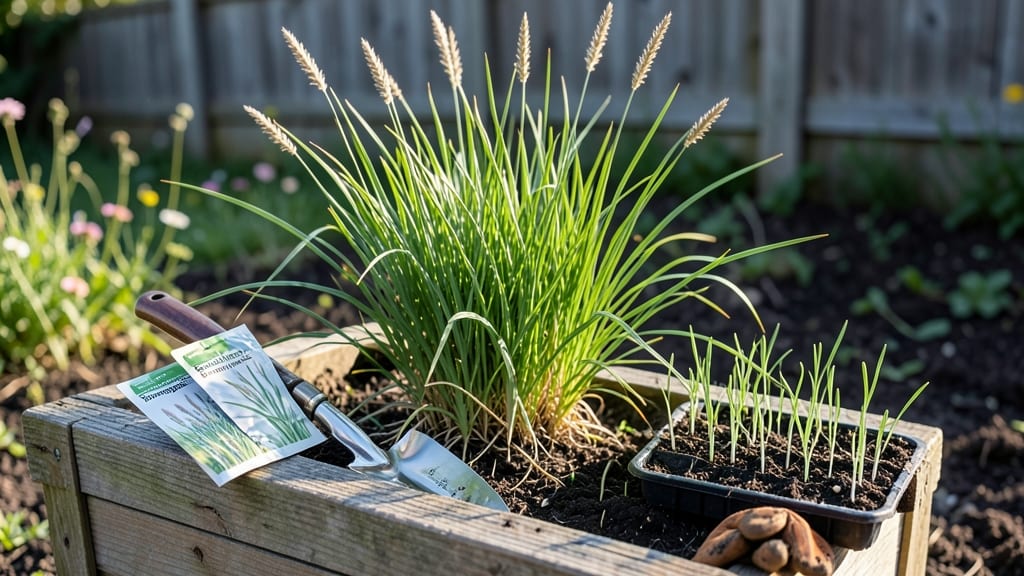
Planting brome grass in Kansas at the wrong time can leave you staring at bare soil while your neighbors enjoy lush, drought-resistant 🌾 fields. The key to success isn't just waiting for spring—it's understanding how soil temperatures and Kansas' unpredictable weather patterns create the perfect window for deep root establishment.
Most gardeners assume spring is the only option, but late summer to early fall (August-September) actually gives your brome grass seeds a fighting chance against Kansas' fierce winds and erratic rainfall.
This is when soil stays warm enough for germination while giving young roots time to anchor before winter sets in.
Whether you're in USDA Zone 5b or 7a, timing matters more than you think. Plant too early, and your seeds might wash away in spring storms. Too late, and they won't establish before frost.
I'll show you exactly when to get those seeds in the ground for maximum success in your specific Kansas region.
Ready to transform your landscape with hardy, low-maintenance grass that thrives despite Kansas' challenges? Let's break down the science behind the best planting months and how to prepare your soil for foolproof germination.
Optimal Kansas planting months for brome grass by soil temperature zones
Timing your brome grass planting in Kansas isn’t just about picking a month—it’s about matching soil temperatures and regional microclimates. Most gardeners in USDA zones 5b-7a aim for late summer to early fall, but exact windows depend on whether you’re in western or eastern Kansas.
The key is planting when soil temps hit 50°F+ for 7+ days, ensuring seeds germinate before winter dormancy.
For northern Kansas (zones 5b-6a), your best window is mid-August to early September. This gives seeds time to establish roots before the first frost, typically around mid-October.
In southern Kansas (zones 6b-7a), you can push planting slightly later—late August to mid-September—thanks to milder winters and later frost dates. Spring planting is riskier due to Kansas’ erratic spring storms, which can wash out seeds.
Soil temperature is your most reliable guide. Use a soil thermometer to confirm 50°F+ at 2-inch depth. In Kansas, this usually aligns with late August for most regions, but western areas like Garden City may need to start earlier due to drier conditions. Eastern regions like Kansas City can wait until early September without risking frost damage.
Here’s how Kansas’ USDA zones break down for planting:
| USDA Zone | Optimal Planting Window | Soil Temp Threshold | Key Consideration |
|---|---|---|---|
| 5b (Northern KS) | Mid-August to Early September | 50°F+ for 7+ days | Earlier frost risk; prioritize root growth |
| 6a (Central KS) | Late August to Mid-September | 50°F+ for 7+ days | Balanced window; avoid late-September planting |
| 6b-7a (Southern KS) | Late August to Early October | 50°F+ for 7+ days | Later frost dates; can extend window |
| Western KS (Dry Regions) | Early August to Mid-September | 50°F+ for 5+ days | Drier soil; plant earlier to capture moisture |
If you miss the fall window, spring planting is possible but risky. Seeds must go in by mid-April to germinate before Kansas’ unpredictable spring rains. However, spring-planted brome grass often struggles with uneven growth due to fluctuating temperatures. For best results, fall planting remains the gold standard in Kansas.
Another critical factor is moisture retention. Kansas’ western regions experience drier conditions, so planting in early August allows seeds to germinate before summer drought sets in. In contrast, eastern Kansas can handle later plantings due to higher humidity.
Always check a 7-day weather forecast for rain before planting—brome grass seeds need consistent moisture to sprout.
Pro tip: Mulch lightly after planting to retain soil moisture without smothering seeds. Use straw or shredded leaves, but avoid thick layers that can trap heat and deter germination.
This is especially useful in western Kansas, where evaporation rates are higher. Aim for a ¼-inch mulch layer to protect seeds while allowing sunlight to penetrate.
Finally, seed depth matters. Plant brome grass seeds ¼ inch deep—any deeper, and they won’t germinate; any shallower, and they’ll dry out. Use a seed rake or your fingers to create a fine, even seedbed.
In Kansas’ windy conditions, consider lightly pressing seeds into soil to ensure contact, especially in open fields or large lawns.
By aligning your planting with soil temperatures, regional frost dates, and moisture availability, you’ll give brome grass the best shot at establishing deep roots before winter. This isn’t just about timing—it’s about setting your grass up for long-term resilience in Kansas’ variable climate. 🌾
How Kansas weather patterns affect brome grass germination timing
Kansas’ weather is as diverse as its landscapes—from the humid eastern plains to the drier western regions. These differences dramatically impact when and how you should plant brome grass for the best germination rates.
Understanding frost dates, rainfall patterns, and drought risks will help you fine-tune your planting schedule.
In eastern Kansas (like Kansas City), the last frost typically occurs around April 15, but planting brome grass in spring isn’t ideal. The soil stays too cool for consistent germination, and spring storms can wash out seeds.
Instead, focus on late summer to early fall when soil temperatures stabilize above 50°F.
Western Kansas (e.g., Wichita and the High Plains) faces earlier frosts and drier conditions. Here, the last frost arrives by April 1, but the real challenge is limited rainfall.
Planting in August or early September ensures seeds germinate before winter dormancy sets in, reducing the risk of drought stress.
- 🌡️ Soil Temperature: Wait until soil reaches 50°F+ for consistent germination. Use a soil thermometer to check—especially in western Kansas, where cooler nights delay warming.
- 🌧️ Rainfall Timing: Plant after July 15 to avoid spring storms that can bury or wash out seeds. Eastern Kansas gets more rain, so aim for August planting to balance moisture and warmth.
- ❄️ First Frost Risk: In southern Kansas (USDA Zone 7a), the first frost hits by October 15. Plant by early September to allow 4-6 weeks of growth before dormancy.
- 💧 Drought Alert: Western Kansas (USDA Zone 5b-6a) sees less than 20 inches of rain annually. Water seeds lightly after planting, then rely on natural rainfall—overwatering can suffocate seeds.
- ☀️ Sunlight Consistency: Brome grass thrives in full sun (6+ hours daily). Avoid planting in shaded areas, even if the weather seems ideal—poor sunlight stunts root growth.
If you’re in central Kansas (e.g., Manhattan or Salina), aim for late August planting. This gives seeds time to germinate before the first frost, while still benefiting from summer warmth.
For northern Kansas (USDA Zone 5b), push planting to early September to avoid early frosts that can damage young seedlings.
Pro tip: Monitor the National Weather Service’s Kansas climate reports for 7-day forecasts before planting. Look for stable temperatures and minimal rain predictions—this is your green light to sow brome grass seeds without worrying about washout or fungal diseases.
Remember, brome grass is drought-tolerant once established, but seedlings need consistent moisture. If your area experiences extended dry spells after planting, use a light mulch layer (like straw) to retain soil moisture without smothering seeds.