
Companion Plants
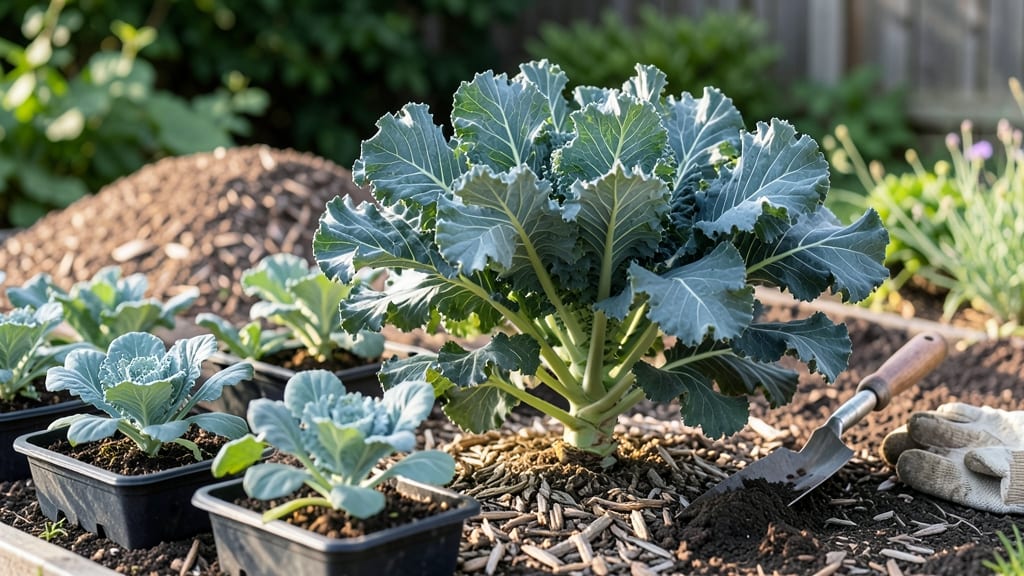
When to plant brassicas in Pennsylvania can mean the difference between a thriving garden and a sad, frost-nipped disappointment—especially when your neighbors in Pittsburgh and Philadelphia have completely different last-frost dates. If you plant too early, you risk seedlings dying in surprise cold snaps; too late, and your harvest shrinks before summer heat sets in.
I’ve spent years tracking Pennsylvania’s microclimates, and the 4–6 weeks before your average last frost is the sweet spot for most brassicas like broccoli, cabbage, and kale.
But here’s the catch: Southeast PA’s milder winters let you start planting in early March, while gardeners in the state’s colder northwest zones should wait until mid-April—or risk losing everything to late frosts.
What you’ll discover here are the exact planting windows for your region, plus pro tips to extend your growing season with cold-hardy varieties and row covers. No more guessing—just data-backed timing to maximize your harvest from summer through fall.
Ready to stop playing frost roulette? Let’s break down the zero-risk planting schedule that works for your corner of PA, whether you’re in the warm valleys of the Poconos or the urban gardens of Philadelphia.
Best planting months for brassicas by Pennsylvania region (frost-free guides)
Pennsylvania’s three distinct microclimates—Southeast, Central, and Northwest—each demand slightly different planting windows for brassicas like broccoli, cabbage, and kale. The key? Avoiding last-frost dates while ensuring soil temperatures stay above 40°F for germination. Here’s how to time it right for zero frost risk.
In the Southeast PA (USDA Zones 6b–7a), your last frost date typically falls between April 15–May 1. This means you can start planting cold-hardy brassicas like kale and cabbage as early as March 15 under row covers, or directly in soil by April 1 for a summer harvest.
For the Central PA region (Zones 5b–6a), where frosts linger until May 1–15, hold off on direct sowing until April 15. Start indoor seedlings in February to transplant outdoors after the last frost. Brussels sprouts and broccoli thrive with this staggered approach.
In Northwest PA (Zones 5a–5b), with later frosts often hitting May 15–30, delay planting until April 30 or use season extenders. This region’s cooler nights benefit from fall brassica plantings—think September 1–15 for a winter harvest.
🌱
Pro tip: Use Penn State Extension’s frost date maps to pinpoint your exact zone. For example, Philadelphia’s last frost averages April 20, while Erie’s can drag into May 25. Adjust your schedule accordingly to avoid frost damage.
Brassicas also thrive with successive planting. After your first harvest, replant 4–6 weeks later to extend your season. For instance, if you plant broccoli on April 15, follow up with a second batch on June 1 for a fall crop before winter sets in.
Soil temperature matters just as much as frost dates. Use a soil thermometer to confirm readings above 45°F before sowing. Cold soil slows germination, leading to uneven seedlings or poor establishment. In Northwest PA, this often means waiting until late May for direct sowing.
For fall brassicas, aim to plant 8–10 weeks before your first frost. In Central PA, that’s August 1–15 for a winter harvest. Choose cold-hardy varieties like 'Red Russian' kale, which sweeten after frost. Mulch heavily to protect roots from freezing temperatures.
🌿 Remember: Microclimates within regions can shift planting windows by 2–3 weeks. A south-facing slope warms faster than a north-facing valley, so observe your garden’s unique conditions. Start small with test plots if you’re unsure!
How to extend brassica growing seasons in PA (cold-hardy varieties & successive planting)
Pennsylvania’s short but intense growing seasons can feel limiting for brassicas, but with the right strategies, you can enjoy harvests from spring through fall. The key lies in cold-hardy varieties, successive planting, and protective measures that shield tender seedlings from late frosts or early heat.
I’ve learned that ‘Winterbor’ kale and ‘January King’ cabbage are my go-to cold-tolerant varieties—they’ll survive light frosts down to 20°F and even improve flavor after a frost! For heat-sensitive crops like broccoli, I plant ‘De Cicco’ broccoli raab, which bolts slower in summer’s warmth.
Here’s how I extend my brassica harvests by 3–4 months each season using these proven tactics:
- 📅 Stagger plantings every 2–3 weeks from early spring to mid-summer for continuous harvests. Example: Start with cabbage on April 15, then repeat on May 1 and June 1.
- ❄️ Use row covers (floating or hoop tunnels) to protect seedlings from late spring frosts (common until May 15 in most of PA). Remove covers when plants are established.
- ☀️ Prioritize shade cloth (30–50%) during July–August to prevent bolting in heat-sensitive varieties like broccoli. A simple white shade cloth works wonders.
- 🌿 Choose fast-maturing varieties (50–60 days to harvest) for late summer plantings. ‘Tendergreen’ broccoli and ‘Red Russian’ kale are my top picks.
- 🍂 Plant fall brassicas by August 15 for a harvest before winter. Soil should still be 50°F+ for good germination.
For gardeners in PA’s Zone 5–6, I recommend focusing on two main planting windows: early spring (March–April) and late summer (August–September). The first window gives you a summer harvest, while the second window ensures fresh greens through October or November.
Don’t overlook container gardening for small spaces. Dwarf varieties like ‘Miniature Peanut’ broccoli thrive in 5-gallon pots and can be moved to shaded porches during heatwaves. I’ve even extended my fall harvest by 2 weeks using this method!
Pro tip: Keep a planting calendar with your local last frost date (check Penn State Extension for your county). Mark 4–6 weeks before that date for your first spring planting—this ensures seedlings are big enough to handle 28°F nights.