Plants
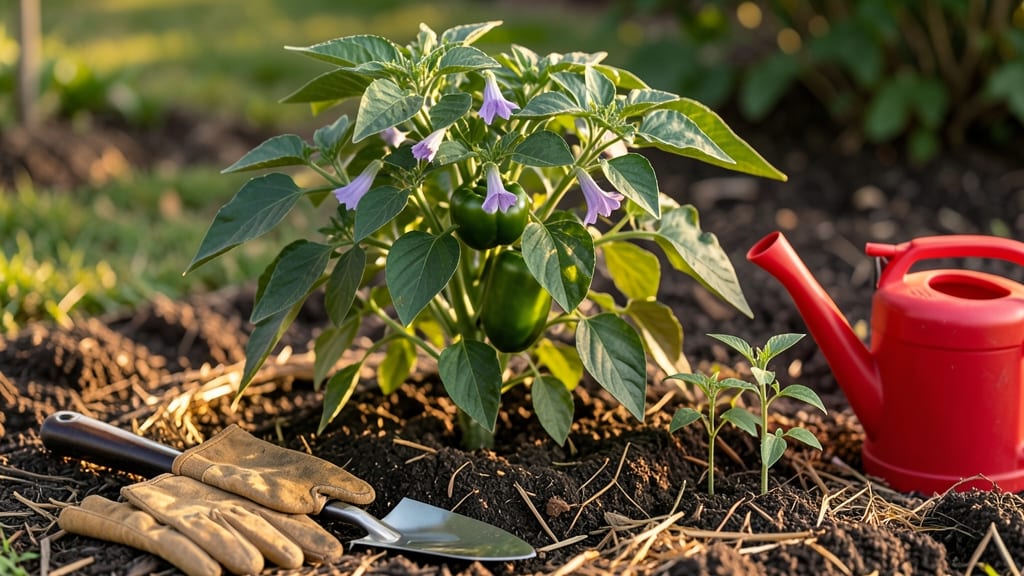
Timing your bell pepper 🌶️ planting in Arizona isn’t just about avoiding frost—it’s about surviving the desert’s brutal heat waves that can fry seedlings in days.
With USDA Zone 9b temperatures swinging from chilly mornings to triple-digit afternoons, most gardeners either plant too early (and watch their plants wilt) or too late (and miss the harvest window).
The key to success? Starting transplants in February-March when soil warms to 65°F+, or direct-sowing in March-May after the last frost risk passes.
Phoenix gardeners have a longer window than Flagstaff’s high-desert growers, but both regions face the same challenge: keeping young plants alive long enough to produce fruit before summer’s relentless sun takes over.
In this guide, I’ll break down the exact planting timeline for your microclimate, plus heat-beating strategies like mulching and shade cloth that’ll turn your backyard into a pepper powerhouse. No more guesswork—just a foolproof system for June-October harvests that’ll make your neighbors jealous.
Ready to grow crisp, flavorful bell peppers 🌶️ without the stress? Let’s dive into the step-by-step schedule that works for Arizona’s extreme conditions—because timing really is everything when you’re battling 110°F afternoons.
Arizona’s best planting windows for bell peppers: avoiding frost and heat stress
Arizona’s USDA zones 9b-11 give us a long growing season—but bell peppers still need precise timing. Plant too early, and spring frost (rare but possible in high elevations like Flagstaff) can kill seedlings.
Plant too late, and summer’s 110°F+ heat causes blossom drop. The sweet spot? February through May, when soil temps hit 65°F+ consistently.
Most Arizona gardeners opt for transplants (not seeds) to avoid slow germination in cool soil. Start seeds indoors 8-10 weeks before your last frost date (mid-January for most areas).
For direct sowing, wait until March or April when nighttime temps stay above 55°F. Phoenix-area growers can push this to late February due to milder winters.
Here’s the critical timeline: Soil temperature is your best guide. Use a soil thermometer—bell pepper seeds won’t sprout below 65°F, and transplants struggle under 70°F. In Tucson, this means mid-March for direct sowing; in Yuma, you can start as early as February.
High-elevation areas (e.g., Prescott) should delay until late April to avoid frost.
Pro tip: Fall planting is a hidden gem in Arizona. Sow seeds in August-September for a second harvest before winter. These peppers mature just as temps cool, avoiding summer’s extreme heat. Just ensure your variety matures in 75-90 days to finish before frost.
| Stage | Arizona Region | Best Time | Soil Temp | Notes |
|---|---|---|---|---|
| Start Seeds Indoors | All Regions | Jan-Feb | 60-65°F | Use grow lights; 8-10 weeks before last frost |
| Transplant Outdoors | Low Desert (Phoenix, Yuma) | Feb-Mar | 70°F+ | Avoid transplant shock with shade cloth |
| Transplant Outdoors | High Desert (Flagstaff, Prescott) | Apr-May | 75°F+ | Wait for nighttime temps >55°F |
| Direct Sow Seeds | All Regions | Mar-May | 70°F+ | Use seedling trays for faster germination |
| Fall Planting | All Regions | Aug-Sept | 80°F+ | Choose fast-maturing varieties (75-90 days) |
Don’t let Arizona’s microclimates fool you—even within Phoenix, temps can vary by 10°F+ between neighborhoods. Check your local Cooperative Extension Service for precise frost-free dates. For example, Sedona’s higher elevation means delaying planting by 2-3 weeks compared to Mesa. Use black plastic mulch to warm soil faster in cooler areas.
Heat-tolerant varieties like 'NuMex Sandia' or 'Aristotle' are your best bets for Arizona’s summers. These handle temps up to 100°F without wilting. Pair them with drip irrigation to keep foliage dry and reduce fungal risks. Avoid planting near palm trees—their shade can stunt pepper growth, even in full sun.
One common mistake? Rushing transplants into cold soil. If your hands feel chilly digging, the soil’s too cold for peppers. Wait until nighttime lows stay above 55°F—this usually aligns with mid-March in Phoenix or late April in Flagstaff. Patience here means healthier plants and bigger yields later.
For
Arizona’s best planting windows for bell peppers: avoiding frost and heat stress
Arizona’s USDA zones 9b-11 give us a long growing season, but timing is everything for bell peppers. The key is planting after your last frost date (typically mid-January for low deserts like Phoenix, later in Flagstaff).
For most of Arizona, this means starting seeds indoors in February or transplanting seedlings in March. Direct sowing can begin in late March to early April once soil temps hit 65°F+.
In high-elevation areas (like Flagstaff), wait until mid-April to avoid late spring frosts. Low deserts (Phoenix, Tucson) can push planting to early May for fall harvests, but watch for 100°F+ heat stress on young plants. The goal is to give peppers 90-120 days of warm weather before winter sets in.
🌱 Pro Tip: Use a soil thermometer to confirm temps—bell pepper seeds need 70°F+ soil to germinate reliably. If your soil is cooler, opt for transplants instead of direct sowing.
| Zone | Last Frost | Start Indoors | Transplant Out | Direct Sow |
|---|---|---|---|---|
| Low Desert (Phoenix) | Mid-Jan | Feb | March-April | Late March-Early May |
| Mid Elevation (Tucson) | Late Jan | Feb-Mar | March-April | April-May |
| High Elevation (Flagstaff) | Mid-April | March-April | May | Late May |
*Adjust for microclimates—valleys warm faster than mountain slopes!
For a fall harvest, plant seeds indoors in June and transplant by July 15 in low deserts. In cooler areas, aim for August transplants to mature before frost. Heat-tolerant varieties like 'NuMex Sandia' or 'Aristotle' handle Arizona’s extremes better than standard types.
Always harden off seedlings for 7-10 days before transplanting to prevent shock. Morning transplanting on a cloudy day gives young plants the best start. Mulch heavily with straw or wood chips to retain moisture and regulate soil temps.
Missed the spring window? Don’t panic—fall planting can still yield peppers if you choose fast-maturing varieties (like 'Early California Wonder') and protect plants from monsoon downpours with row covers. Just be ready to harvest by October before cooler nights slow growth.