
Plants
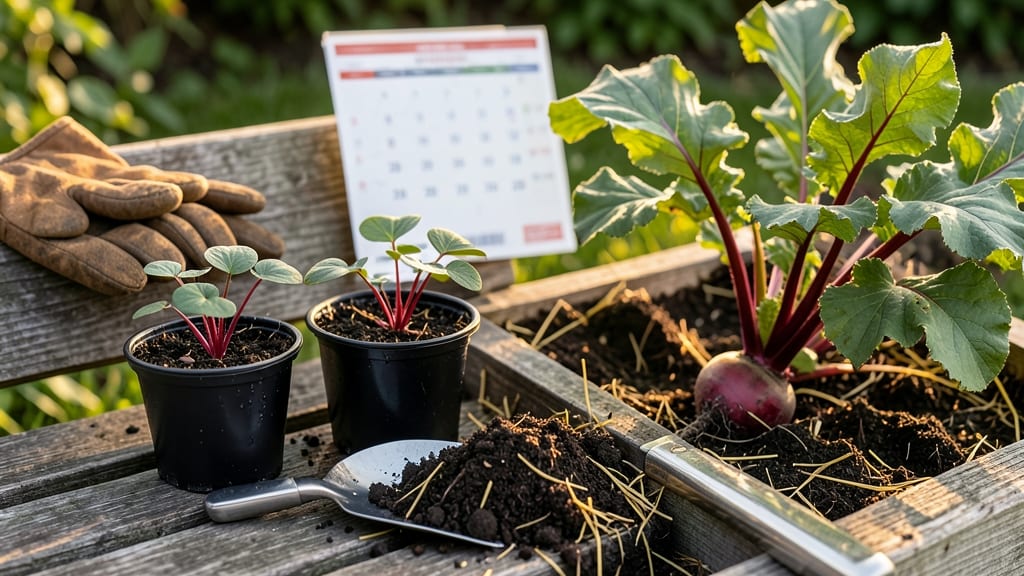
Timing your fall beet planting just right means the difference between sweet, tender roots and bitter, woody failures. Miss the window, and you’ll either watch your beets bolt into leafy stalks or get ruined by early frost.
The secret? Planting 6-8 weeks before your first frost date—but there’s more to it than just counting days.
For gardeners in USDA Zone 6a (like me), that means getting seeds in the ground by early September. Too early, and your beets may mature before the cooler weather sweeten them; too late, and frost will turn your harvest into a sad, icy mess.
The good news? With the right variety—like cold-hardy Detroit Dark Red or Chioggia—you can extend your harvest well into November.
I’ve learned the hard way that soil prep matters just as much as timing. Loose, well-draining soil and consistent moisture are your best friends when planting beets in the fall. And don’t forget: spacing seedlings properly (2-3 inches apart) gives them room to grow without competing for nutrients.
Follow these steps, and you’ll be pulling perfectly sized, flavorful beets right when the weather turns crisp.
Ready to avoid the common mistakes? I’ll walk you through exactly how to calculate your planting window, choose the right varieties, and keep your beets thriving—even as temperatures drop. Let’s get those seeds in the ground before it’s too late!
How to calculate your fall beet planting window based on frost dates
Timing your fall beet planting correctly means counting backward from your first frost date. Beets need 6-8 weeks of warm soil to mature before cold weather arrives.
If you plant too early, they’ll bolt; too late, and frost will ruin your harvest. Let’s break down how to find your perfect window.
Start by locating your USDA hardiness zone—this determines your frost dates. For example, in Zone 5, the first frost typically hits around October 15, while Zone 8 might see frost in December. Subtract 6-8 weeks from your frost date to find your ideal planting window.
For instance, if your frost date is October 15, aim to plant between August 20 and September 10. This ensures beets mature before temperatures drop below 20°F (-7°C).
Always double-check your local frost dates using resources like the Old Farmer’s Almanac or your local cooperative extension service.
Soil temperature also matters—beets thrive in soil that’s at least 50°F (10°C). Use a soil thermometer to confirm conditions before sowing. If soil is cooler, wait a few days or use black plastic mulch to warm it up faster.
Direct sowing is best for fall beets, but if you’re transplanting seedlings, give them 4-6 weeks of growth before the first frost. Seedlings need time to establish roots in cooler soil, so adjust your timeline accordingly.
🌱
| Climate Factor | Action Steps | Example Timeline |
|---|---|---|
| USDA Zone | Identify your zone (e.g., 5-10) | Zone 5: Frost Oct 15 |
| First Frost Date | Find local frost date (Almanac/extension) | Oct 15 (Zone 5) |
| Planting Window | Subtract 6-8 weeks from frost date | Aug 20 - Sep 10 |
| Soil Temp | Wait until ≥50°F (10°C) | Test with thermometer |
| Harvest Goal | Adjust for baby beets (45 days) or mature (60 days) | Sep 10 sowing = Oct 15 harvest |
Pro tip: Use succession planting to extend your harvest. Sow a second batch 3-4 weeks after your first planting. This ensures a steady supply of beets before winter sets in. For example, if your first batch goes in on August 20, plant a second batch around September 5.
If you’re in a warmer climate (Zones 8-10), you can plant beets as late as October or November. However, always monitor weather forecasts—unexpected early frosts can still damage young plants. In these regions, focus on cold-hardy varieties like Detroit Dark Red or Golden Beet.
Finally, keep an eye on daylength. Beets are sensitive to long daylight hours, which can trigger bolting. In late summer, days are still long, but by early fall, shorter days help prevent this issue.
If you notice seedlings stretching or flowering, they’re reacting to stress—adjust your planting time or use shade cloth.
☀️
How to calculate your fall beet planting window based on frost dates
Timing your fall beet planting is all about working backward from your first frost date. Most beets need 60-70 days to mature, so aim to sow seeds 6-8 weeks before frost.
For example, if your first frost hits October 15, plant between August 20-30 for a perfect harvest.
Start by finding your local frost dates using the USDA Plant Hardiness Zone Map or your local cooperative extension office. Then subtract 60 days for fast varieties like Babybeat or 70 days for larger types like Detroit Dark Red. This gives you your ideal planting window.
Soil temperature matters too—beets won’t germinate well in cold soil. Wait until the soil reaches at least 50°F (10°C) before sowing. In warmer climates (Zones 8-10), you can push planting to September, but in colder areas (Zones 3-5), start by mid-August.
| Zone | First Frost | Planting Window | Soil Temp |
|---|---|---|---|
| 3-5 | Mid-September | Late July - Early August | 50°F+ |
| 6-7 | Late October | Mid-August - Early September | 50°F+ |
| 8-10 | Early December | Late August - September | 55°F+ |
For direct sowing, scatter seeds ½ inch deep and 1 inch apart in rows 12 inches apart. Thin seedlings to 3 inches apart once they’re 2 inches tall. If transplanting starts, sow in biodegradable pots 4-6 weeks before your outdoor planting date to avoid disturbing roots.
Pro tip: Use row covers or cold frames to extend your harvest window. These can push your planting date 2-3 weeks later by protecting young plants from early frosts. Just remove covers during the day to prevent overheating.
Finally, keep a planting journal to track your success. Note your exact planting dates, variety, and harvest results. Over time, you’ll refine your timing for sweeter, more tender beets every fall. 🌱