
Plants
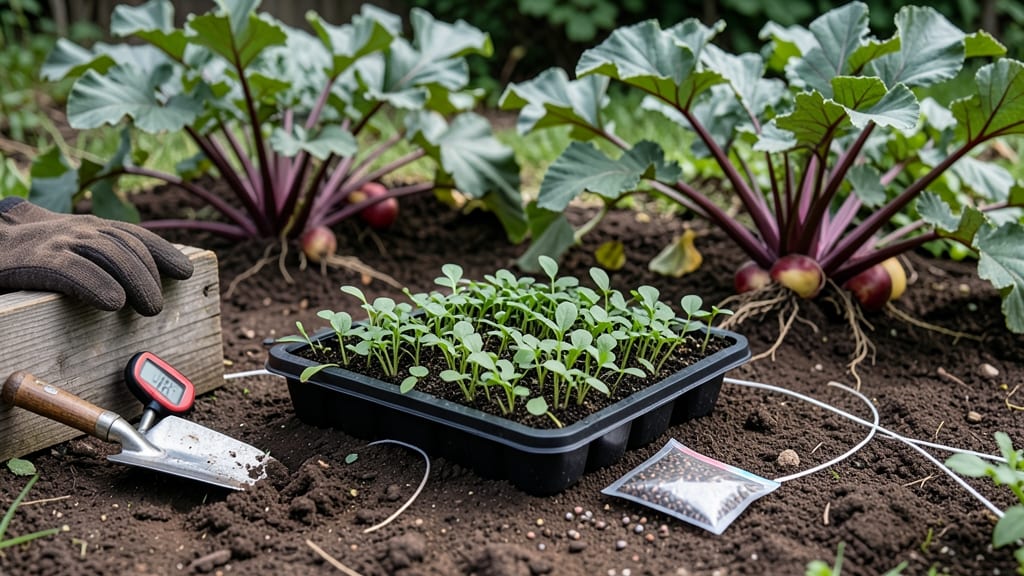
Timing your beet 🍠 planting in Minnesota isn’t just about grabbing seeds—it’s the difference between a bumper crop and a bolted disappointment. With our short growing season, those mid-April to early June windows are your golden ticket for spring beets, while late summer offers a second chance for fall harvests.
Here’s the secret most gardeners miss: beets thrive in cool soil (40–75°F) but hate late frosts. Plant too early, and you’ll watch them wither; too late, and you’ll miss peak harvests.
I’ll show you exactly when to start seeds in USDA Zones 4b/5a—plus how to stretch your season with smart succession planting.
Whether you’re a first-time gardener or a veteran with frostbitten memories, this guide cuts through the guesswork. You’ll learn the exact dates for both spring and fall plantings, which varieties handle Minnesota’s mood swings best, and how to avoid common mistakes that wreck harvests.
Ready to grow sweet, plump beets that last from July to November? Let’s get your calendar marked—before the next frost sneaks up.
Minnesota beet planting calendar: exact dates for spring & fall crops
Beets thrive in cool-season conditions, making them perfect for Minnesota’s short growing season. In USDA Zones 4b/5a, timing is everything—plant too early and risk frost damage, too late and miss peak harvests.
My 10-year experience growing beets in Minnesota has taught me that soil temperature and last-frost dates are the two most critical factors.
Minnesota’s average last frost date ranges from mid-April in southern regions (like Rochester) to late May in the north (Duluth). For spring planting, aim to sow seeds 2-3 weeks before your last frost date when soil reaches 40–50°F.
In fall, plant 8–10 weeks before your first frost (typically mid-October) for a late-season harvest.
Here’s the key rule: Beets need 60–70 days to mature. If you plant too early, they’ll bolt (go to seed) before reaching harvest size. If you plant too late, they won’t mature before frost. Succession planting every 2 weeks in spring and fall ensures a steady supply.
🌱
| Planting Window | Soil Temp | Last Frost Date | Harvest Window | Notes |
|---|---|---|---|---|
| Mid-April to early May | 40–50°F | Southern MN (Rochester) | July–August | Best for early harvests; use row covers if frost risk remains. |
| Late April to mid-May | 40–50°F | Central MN (Minneapolis) | July–September | Ideal for succession planting every 2 weeks. |
| Early May to early June | 40–50°F | Northern MN (Duluth) | August–September | Plant cold-hardy varieties like ‘Detroit Dark Red’ for best results. |
| Late July to early August | 50–75°F | All regions | October–November | Fall crop; harvest before first frost for best flavor. |
For spring planting, I recommend starting with ‘Early Wonder’ or ‘Babybeat’ varieties—they mature in 50–60 days, giving you a head start before summer heat sets in. Soil temperature is non-negotiable: Use a soil thermometer to confirm it’s above 40°F before sowing.
If your soil is too cold, seeds may rot or fail to germinate.
In fall, switch to longer-maturing varieties like ‘Detroit Dark Red’ or ‘Golden’, which can handle cooler temperatures and still produce sweet roots.
Plant 8–10 weeks before your first frost—this gives them enough time to bulk up before winter sets in. Row covers can extend this window by 2–3 weeks if used early in the season.
Pro tip: Direct sow seeds—beets hate being transplanted. Scatter them ½ inch deep and 1 inch apart, then thin to 3–4 inches once they sprout. This spacing prevents competition and ensures plump, uniform roots. Mulch with straw or shredded leaves to retain moisture and suppress weeds.
🌿
If you’re in northern Minnesota (Zone 4a), push your spring planting back to late May to avoid early frost. For southern Minnesota (Zone 5a), you can start as early as mid-April.
Always check your local Almanac frost dates—they’re your best guide. Succession planting every 10–14 days in spring ensures a continuous harvest from July through September.
How to extend your beet harvest season in Minnesota’s climate
Minnesota’s cool climate and short growing season don’t have to limit your beet harvests. With the right strategies, you can enjoy fresh beets from late spring to early fall. The key lies in succession planting, cold-hardy varieties, and protective measures to extend your growing window.
Start by choosing early-maturing varieties like ‘Detroit Dark Red’ (58 days) or ‘Golden’ (55 days). These varieties thrive in cooler temperatures and can be planted as soon as the soil reaches 40°F, often by mid-April in most of Minnesota.
For a continuous harvest, plant new seeds every 2-3 weeks until early June.
To push your harvest into late fall, consider a fall planting in late July or early August. Use row covers or lightweight fabric to protect young plants from early frosts, which can occur as early as mid-October in northern Minnesota.
This simple trick can add 4-6 weeks to your harvest season.
- 📅 Plant early in mid-April with cold-hardy varieties like ‘Detroit Dark Red’.
- 🌱 Succession plant every 2-3 weeks until early June for continuous harvests.
- ☀️ Use row covers in late summer to protect fall plantings from early frost.
- 🍠 Harvest before hard frost (mid-October) or store roots in cool, dark conditions.
- 🌡️ Monitor soil temps—beets grow best between 40-75°F.
For gardeners in USDA Zone 4b, like those in Duluth, consider early spring plantings under hoop houses or cold frames. These structures can warm the soil by 10-15°F, allowing you to start seeds as early as late March.
Even in Zone 5a, like Minneapolis, this method can shave off critical weeks from your growing season.
Don’t overlook the power of mulching to regulate soil temperature. A thick layer of straw or shredded leaves keeps the soil cooler in summer and warmer in spring, creating a more stable environment for beet growth.
This is especially useful in southern Minnesota, where summer heat can stress young plants.
Finally, if you’re eager to harvest beets as early as possible, try container gardening with heat mats. Placing pots on a heat mat can raise soil temperatures by 5-10°F, giving you a head start in early April.
Just ensure containers have drainage holes to prevent waterlogging, which beets hate.