
Plants
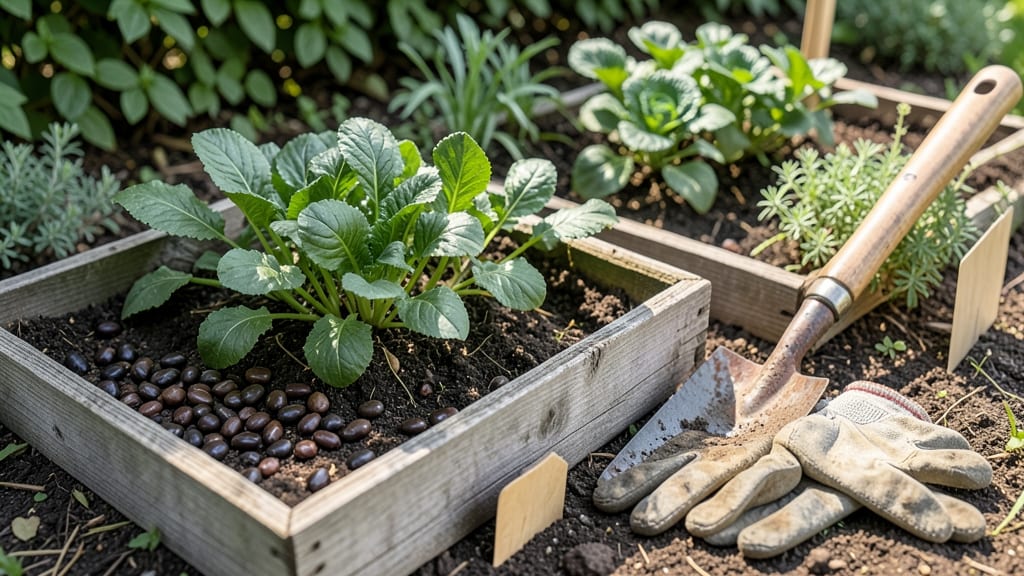
Timing your 🍠 beet planting in Kentucky can mean the difference between sweet, tender harvests and tough, bitter roots—especially in USDA Zones 6a-7a where frost dates fluctuate. If you’ve ever planted beets only to watch them bolt or struggle in the heat, you’re not alone.
The secret lies in understanding Kentucky’s unique climate patterns and soil conditions.
For gardeners in the Bluegrass State, the ideal windows stretch from mid-March to late April for spring plantings and August to mid-September for fall harvests. But here’s the catch: soil temperature matters just as much as calendar dates.
Beets thrive when the ground reaches at least 50°F, which in Kentucky often means waiting until after the last frost—typically around March 15—but adjusting for your specific microclimate.
Why does this matter? Because planting too early risks frost damage, while planting too late can lead to bolting—when beets flower prematurely and turn woody. I’ll walk you through the exact frost-free timeline for Zones 6a and 7a, plus how to fine-tune your schedule based on local weather trends.
No more guesswork, just reliable, flavorful harvests from June through November.
Ready to grow beets that are crisp, sweet, and perfect for roasting or salads? Let’s dive into the step-by-step planting guide tailored to Kentucky’s growing seasons—so you can enjoy homegrown beets all year long.
Optimal Kentucky beet planting windows by USDA Zone (6a vs 7a)
Kentucky’s USDA Zones 6a-7a offer two prime windows for planting beets: early spring and late summer. In Zone 6a, where last frosts average March 15, start seeds 4-6 weeks before your last frost date.
For Zone 7a, with later last frosts around March 22, begin planting 2-3 weeks earlier to avoid spring bolting. Both zones can also handle a fall planting 8-10 weeks before the first frost (November 1), typically starting in August.
Timing is critical because beets grow best in 50-65°F soil temperatures. Planting too early in cold soil (45°F or below) slows germination, while waiting too long risks bolting (flowering prematurely) in summer’s heat.
Kentucky’s 165 frost-free days create a narrow window—miss it, and you’ll sacrifice sweet, tender roots.
Here’s how to align your planting with Kentucky’s climate for maximum success:
For spring plantings, I recommend starting seeds indoors 4 weeks before your target outdoor date to get a head start. Harden off seedlings for 7–10 days before transplanting, but direct sowing is easier and often more successful for beets.
In Kentucky’s humid summers, mulch heavily with straw or grass clippings to retain moisture and prevent bolting.
Fall plantings are my favorite because they yield sweeter, deeper-colored beets as temperatures drop. Choose heat-tolerant varieties like ‘Detroit Dark Red’ for late-summer starts, and harvest before October 15 to avoid frost damage.
If you miss the fall window, consider container growing for a short-season harvest in USDA Zone 7a.
Pro tip: Use a soil thermometer to confirm temperatures before planting. Beets won’t germinate well in soil below 50°F, even if the air feels warm. In Zone 6a, this often means waiting until mid-April for reliable germination.
Remember, Kentucky’s microclimates vary dramatically. If you’re in a warmer valley (like near Louisville), you can plant 2 weeks earlier than the average. Conversely, higher elevations (e.g., Eastern Kentucky) may need row covers until May. Always check your local Cooperative Extension Service for updated frost dates.
By following these zone-specific windows, you’ll avoid the two biggest beet-growing mistakes in Kentucky: planting too early (risking frost damage) or planting too late (triggering bolting). With the right timing, you’ll enjoy tender, sweet beets from June through November!
How to adjust planting for Kentucky’s unpredictable frost patterns
Kentucky’s USDA Zones 6a-7a bring unpredictable frost dates, making timing critical for beet success. While the average last frost hovers around March 15, late frosts can linger until April 15—especially in elevated areas like the Appalachian foothills.
I’ve learned to adjust planting dates based on soil temperature (aim for 45°F+) rather than just calendar dates.
Start seeds indoors 4-6 weeks before your target outdoor date if you’re worried about cold snaps. For Zone 6a, this means mid-February sowing for a March 15 transplant. In Zone 7a, you can push it to late February for a March 20 move.
Use row covers or cold frames to extend the season by 2-3 weeks if frost threatens.
For fall plantings, wait until August 1 (after summer heat peaks) to avoid bolting. Monitor first frost dates—Kentucky’s typically arrive October 31-November 15, but microclimates (like urban heat islands) can delay frost by 10+ days.
Plant succession crops every 2 weeks from August through September for staggered harvests.
⚠️ Late Frost Warning
Never plant beets when nighttime temps dip below 40°F—seedlings will rot. Use frost cloth or black plastic mulch to warm soil by 5-10°F. If frost hits after germination, cover plants immediately with row covers or old blankets.
🌱 Pro Tip: Test soil temp with a thermometer—wait until it’s consistently 45°F+ for 3+ days.
For container gardening, time your spring plantings to align with May’s warmer temps—containers cool faster than in-ground beds. In fall, move pots to protected spots (like against south-facing walls) to delay frost exposure by 3-4 weeks.
I’ve had success with ‘Babybeat’ varieties in containers, as they mature faster (45 days) and tolerate cooler temps better.
Track local weather patterns for 3 years to spot trends—some Kentucky counties (like Henderson) average 10°F warmer springs than Mountain City. Adjust your planting window accordingly. For example, if your area has a history of April frosts, delay outdoor sowing until April 15 instead of March 15.
Use succession planting to hedge your bets: Sow beet seeds every 2 weeks from March 15-April 30 for continuous harvests. This spreads risk if one batch gets hit by frost. In fall, repeat the process from August 1-September 15 to ensure a steady supply before winter sets in.