
Plants
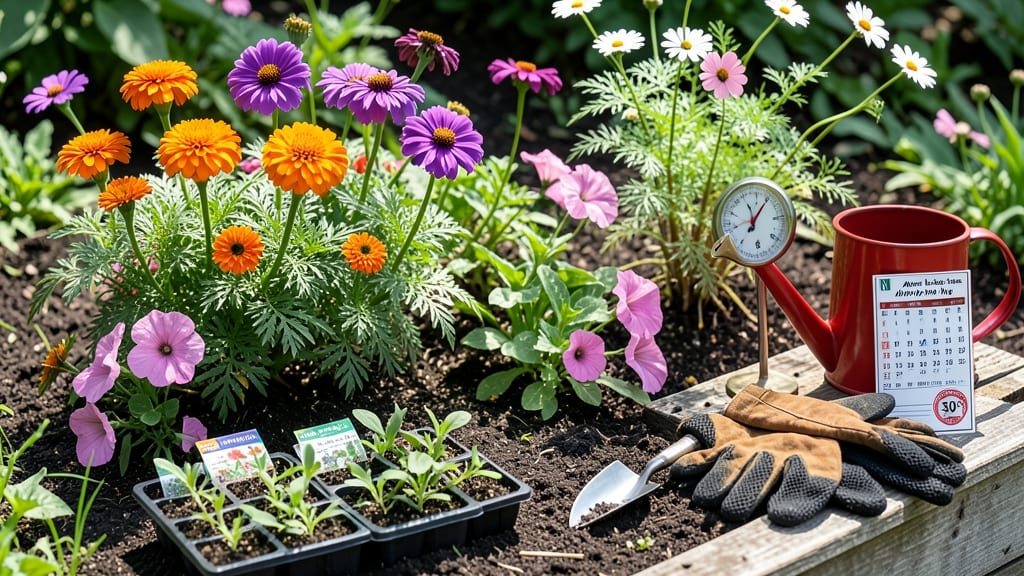
Timing your when to plant annuals in NJ can mean the difference between a vibrant garden and a sad, frost-nipped disappointment. New Jersey’s diverse climate—from the cool coastal breezes of Cape May to the warmer inland zones of Hunterdon—makes the perfect planting window a moving target.
I’ve seen firsthand how a 2-week difference can transform a thriving bed of petunias into a crispy mess. Whether you’re in Zone 6B or Zone 7B, knowing when to start seeds indoors or transplant seedlings outdoors is the key to stress-free blooms all season.
This guide breaks down NJ’s heat zones, so you’ll know exactly when to plant cool-season favorites like pansies or warm-season stars like zinnias. No more guessing—just a foolproof schedule tailored to your corner of the Garden State.
Let’s dive into the best months for planting, soil prep secrets, and how to stretch your blooms from spring to fall, no matter where you garden in NJ.
New Jersey county heat zones: when to plant annuals by region
New Jersey’s 14 distinct USDA heat zones (ranging from Zone 5A in the north to Zone 8B near the coast) create wildly different planting windows for annuals.
In Bergen County (Zone 6B), frost can linger until mid-May, while Cape May (Zone 7B) sees frost-free conditions by early April. These differences mean your petunias might bloom in June in the north but by May in southern NJ.
To avoid frost damage or summer heat stress, I’ve mapped out the ideal planting windows for both cool-season and warm-season annuals across NJ’s regions. Whether you’re in urban Newark or rural Salem County, these timelines will help you sync your planting with NJ’s climate quirks.
🌱
| Region | USDA Zone | Avg. Last Frost | Cool-Season Planting | Warm-Season Planting |
|---|---|---|---|---|
| Northern NJ (e.g., Passaic, Morris) | Zone 6A-6B | Mid-May | March-April (under cover) | After May 15 |
| Central NJ (e.g., Mercer, Middlesex) | Zone 6B-7A | Early-Mid April | Late March-April | After April 20 |
| Southern NJ (e.g., Atlantic, Cape May) | Zone 7B-8A | Early April | February-March | After April 1 |
| Coastal Areas (e.g., Ocean, Monmouth) | Zone 7A-7B | Late March | Late February-March | After April 10 |
🌡️ Pro Tip: Coastal areas plant 2-3 weeks earlier than inland zones due to milder microclimates.
In northern NJ (Zones 6A-6B), where late frosts are common, I recommend starting cool-season annuals like pansies and snapdragons indoors by late February or under row covers in March. For warm-season picks such as marigolds or zinnias, wait until after May 15 to avoid frost damage.
Southern NJ gardeners in Zones 7B-8A enjoy a longer growing season, allowing February starts for cool-season annuals and April 1 planting for heat-lovers. My Cape May garden often blooms zinnias by June, while northern gardens might not see color until July.
For urban gardeners, microclimates matter. A south-facing balcony in Jersey City (Zone 7A) warms faster than a shaded backyard in Newark (Zone 6B). Use heat maps or local weather apps to track your specific frost dates—they can vary by 1-2 weeks even within the same county.
🌿
If you’re unsure about your exact planting zone, check the USDA Plant Hardiness Zone Map or use NJ’s Rutgers Cooperative Extension resources. They offer free soil tests and localized planting guides tailored to your county’s frost history.
For example, Essex County (Zone 6B) typically sees its last frost by May 10, while Cumberland County (Zone 7A) averages April 20.
For container gardening, warm up soil faster by placing pots in
Cool-season vs. warm-season annuals: NJ planting schedule cheat sheet
New Jersey’s two distinct growing seasons mean you’ll need to strategize carefully for annual blooms. Cool-season annuals thrive in spring and fall, while warm-season varieties demand summer heat. Understanding this split is key to avoiding frost damage or wilting heat stress.
For cool-season annuals like pansies, snapdragons, and sweet peas, start seeds indoors 6-8 weeks before your county’s last frost date. In northern NJ (Zones 5A-6B), this means mid-March to early April for outdoor planting by late April to May 1.
Warm-season annuals—think marigolds, zinnias, and petunias—can’t handle frost. Wait until after May 15 in northern NJ and after May 1 in southern NJ (Zones 7A-8B) to plant seeds or transplants. Soil temperature should be at least 60°F.
Pro tip: Succession planting is your secret weapon. For warm-season annuals, sow new seeds every 2-3 weeks from June to August to ensure continuous blooms until first frost. In southern NJ (Zones 7A-8B), you can even plant fall marigolds in early September.
Don’t forget late-winter starters! Begin pansies and violas indoors in January for early spring color. These cold-hardy annuals will reward you with months of blooms before warm-season plants even think about germinating.
For urban gardeners, container planting lets you micro-manage planting times. Move pots indoors or to protected spots during late frosts or heatwaves to extend your annual season by 3-4 weeks.