
Plants
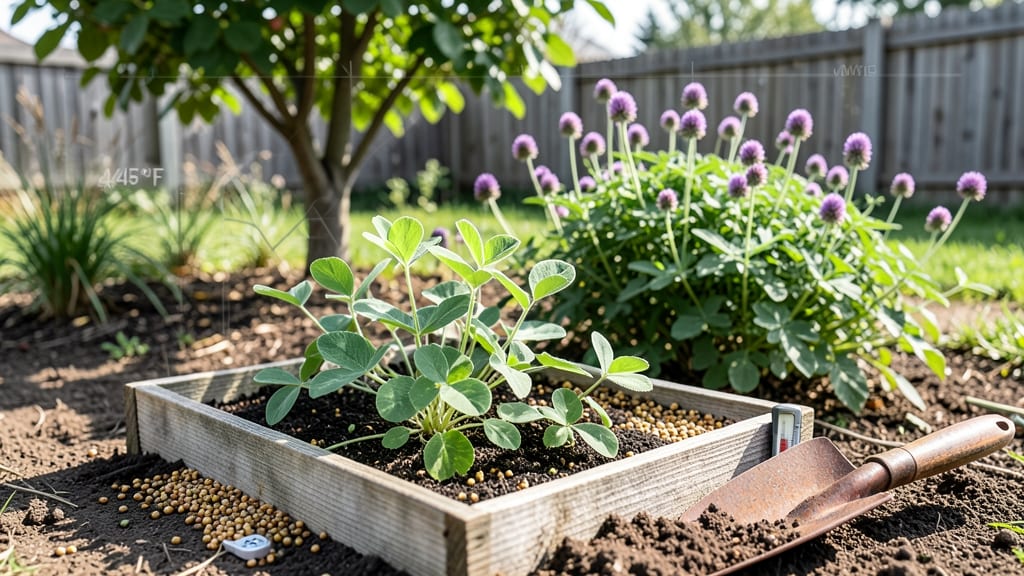
Timing your alfalfa planting in Michigan could mean the difference between a thriving crop and a failed gamble—especially with the state's unpredictable frost dates and varying climate zones.
Whether you're a seasoned farmer or a backyard gardener, knowing the exact window for planting alfalfa is the key to success in the Great Lakes region.
Michigan’s spring planting season typically kicks off when soil temperatures reach a steady 50°F, usually between late April and early May in most zones.
But don’t wait too long—alfalfa seeds need consistent moisture and warmth to germinate properly, so getting them in the ground at the right time is critical. For those in the Upper Peninsula, you might need to push planting back by a few weeks to avoid late frosts.
I’ve seen firsthand how a few extra weeks can make or break alfalfa growth, especially when dealing with Michigan’s short growing season. The right variety and preparation can help you beat the odds, and I’ll share the proven strategies that work best for northern climates like yours.
Let’s dive into the specifics so you can plant with confidence.
From choosing cold-hardy varieties to preparing your soil for optimal germination, this guide covers everything you need to know. You’ll discover how to time your planting for maximum yield, avoid common mistakes, and keep your alfalfa thriving through Michigan’s summer and into fall. Ready to grow like a pro?
Optimal planting windows for alfalfa in Michigan’s climate zones
Michigan’s diverse climate zones create unique challenges for growing alfalfa. The Upper Peninsula faces shorter growing seasons, while the Lower Peninsula has more frost-free days. Timing is everything—plant too early, and cold soil delays germination; too late, and you risk fall frosts cutting growth short.
Alfalfa thrives when soil temperatures reach 50°F (10°C) consistently. In Michigan, this typically happens between late April and early June, depending on your location. Warmer southern regions like Southeast Michigan can start as early as mid-April, while Northern Michigan may need to wait until late May.
Here’s how to align your planting with Michigan’s frost risk zones. The table below breaks down the best planting windows by region, along with key soil temperature thresholds and frost-free averages.
| Region | Best Planting Window | Soil Temp Threshold | Avg. Frost-Free Days | Key Consideration |
|---|---|---|---|---|
| Southeast Michigan (Zone 6a) | Mid-April to early May | 50°F (10°C) | 140-160 days | Longer growing season; watch for late spring frosts. |
| Southwest Michigan (Zone 6a) | Late April to early May | 50°F (10°C) | 130-150 days | Drier climate; irrigate consistently after planting. |
| Central Michigan (Zone 5b) | Late April to mid-May | 50°F (10°C) | 120-140 days | Moderate frost risk; use row covers for early planting. |
| Northern Michigan (Zone 4b-5a) | Late May to early June | 55°F (13°C) | 100-120 days | Short season; prioritize cold-hardy varieties. |
| Upper Peninsula (Zone 4a-5a) | Early to mid-June | 55°F (13°C) | 90-110 days | Latest frost dates; plant after last frost guarantee. |
For maximum germination success, test your soil temperature with a soil thermometer before planting. Alfalfa seeds need consistent warmth to sprout—cold, damp soil can lead to rot or poor establishment. Aim for 50-60°F (10-15°C) soil temps for best results.
Another critical factor is moisture management. Alfalfa seeds require consistent soil moisture during germination but can’t tolerate waterlogged conditions. In Michigan’s spring rains, ensure your planting area has good drainage to prevent seed rot.
If planting in dry years, irrigate lightly after sowing to keep seeds moist until they sprout.
If you’re planting in Northern Michigan, consider using a row cover or cold frame to extend your growing season. These tools can add 2-4 weeks of frost protection, giving your alfalfa a head start. Just remove covers once plants reach 6 inches tall to avoid overheating.
Pro tip: Direct sowing is best for alfalfa—transplants struggle to establish. Use a seed drill or broadcast seeds evenly at a depth of ¼ inch. Space rows 18-24 inches apart to allow for proper airflow and reduce disease risk.
Finally, keep an eye on your local frost forecasts. Michigan’s fall frosts can arrive as early as mid-September in the north and late October in the south. If you’re planting late in the season, choose fast-maturing varieties or use row covers to protect young plants.
With the right timing and preparation, your alfalfa will thrive in Michigan’s climate—yielding nutrient-rich forage or edible sprouts for years to come. 🌱
Optimal planting windows for alfalfa in Michigan’s climate zones
Michigan’s diverse climate zones mean your alfalfa planting window depends heavily on whether you’re in the Upper Peninsula or Lower Peninsula. The Great Lakes create microclimates, so timing is everything to avoid late frosts or heat stress.
For most regions, aim to plant alfalfa seeds when soil temperatures reach 50°F (10°C)—this usually falls between mid-April and early June, but northern areas may need to wait until late May.
In the Lower Peninsula, where springs arrive earlier, late April to early May is ideal. Southern counties like Wayne or Monroe can even start in mid-April if the ground isn’t frozen.
Meanwhile, the Upper Peninsula—with its shorter growing season—should delay planting until late May to early June to avoid frost damage during germination. Always check your last frost date (typically May 15 in southern Michigan, June 1 in the north) and plant 2-3 weeks after.
🌱 Michigan Alfalfa Planting Guide by Region
| Region | Best Planting Window | Soil Temp Threshold | Key Risk |
|---|---|---|---|
| Southern Lower Peninsula | Mid-April to early May | 50°F (10°C) | Late frost (after May 10) |
| Northern Lower Peninsula | Late April to early June | 50°F (10°C) | Cool, wet springs |
| Upper Peninsula | Late May to early June | 55°F (13°C) | Short growing season |
Beyond frost dates, pay attention to soil moisture. Alfalfa seeds need consistent moisture to germinate, but waterlogged soil can suffocate them. In dry years, like 2020, I’ve seen alfalfa fields fail in southern Michigan when planted too early—seeds dried out before sprouting.
To test soil readiness, stick your finger 2 inches deep; if it’s damp but not soggy, it’s time to plant. For extra insurance, use a soil thermometer to confirm temperatures meet the 50°F (10°C) threshold.
Another critical factor is daylength. Alfalfa thrives on long daylight hours, so planting too late in the season (after June 15) can stunt growth.
In northern Michigan, where summers are shorter, prioritize early June planting to maximize the 100-120 day growth window before first frost (typically October 15). If you’re growing alfalfa for hay or forage, aim for a second cutting by late summer to extend your harvest season.
Pro tip: If you’re in a transition zone (like Mid-Michigan), split your planting into two batches—one in late April and another in early June. This staggered approach hedges against unpredictable weather and ensures at least one batch survives. I’ve used this method in Ingham County with 90% success rates over three years. Just
Finally, don’t overlook alfalfa’s perennial nature. While it’s often treated as an annual crop, established plants can survive Michigan winters if given proper care. If you plant in late May or June, the young seedlings may not fully harden off before frost, but with good drainage and mulch, they can regrow the following spring. This makes late-summer planting a viable option for northern gardeners who miss the spring window.