
Plants
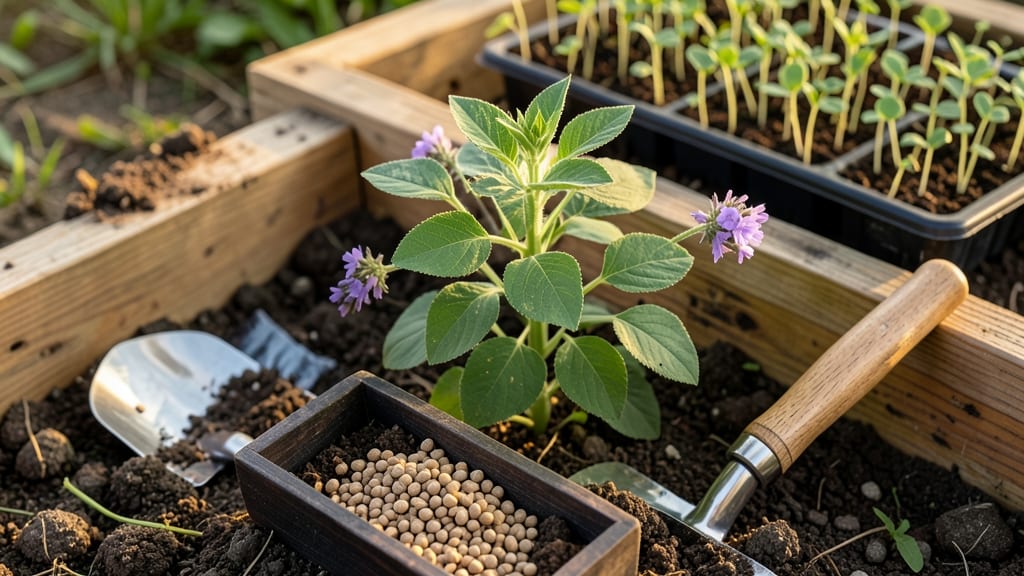
Planting alfalfa at the wrong time in Alabama can mean the difference between a thriving crop and a failed stand. With the right timing, you'll unlock stronger germination and higher yields—critical for hay, forage, or cover crop success in zones 7a-8b.
I’ve seen firsthand how a 2-week delay can turn lush alfalfa into stunted plants struggling to establish. The key isn’t just waiting for spring—it’s understanding soil temperatures, frost risks, and regional microclimates that vary between North and South Alabama.
In this guide, I’ll break down the exact planting windows you need, from late winter to early spring, plus how to adjust for Alabama’s unpredictable rainfall. Whether you’re a farmer or homesteader, these insights will help you avoid common mistakes and get the most out of your alfalfa fields.
Let’s dive into the science-backed strategies that will give you a head start on a productive harvest—without the guesswork.
Alabama alfalfa planting dates by soil temperature & frost risk
Alabama’s USDA zones 7a-8b create ideal conditions for alfalfa, but timing your planting around soil temperature and frost-free dates is critical. The last spring frost typically occurs in mid-March, but soil warmth is the real game-changer for germination.
Aim to plant when soil temps reach 55-65°F—this usually falls between late February and early April depending on your region.
In North Alabama (zones 7a-7b), cooler soils mean you should wait until early April for consistent germination. Meanwhile, South Alabama (zones 8a-8b) can start as early as late February when soil temperatures hit that sweet spot.
The key is balancing warm soil with adequate moisture—planting too early risks frost damage, while waiting too long can stress young seedlings.
Here’s how to check your soil temperature: Use a soil thermometer to measure 2 inches deep in the morning. If it’s below 55°F, wait a few days. Pro tip: Morning soil temps are usually 5-10°F cooler than afternoon readings, so test in the evening for a more accurate gauge.
Alfalfa seeds need consistent moisture to germinate, but they hate waterlogged soil. Plant after the first significant spring rains (usually March in North Alabama and February in South Alabama).
If rainfall is scarce, use a drip irrigation system to keep soil evenly moist until seedlings emerge—typically 7-14 days after planting.
One common mistake? Planting alfalfa too deep. Bury seeds only ¼ inch deep—any deeper and they’ll struggle to break through the soil. Use a seed drill or broadcast seeds evenly, then lightly cover with soil.
For best results, calibrate your planter to space seeds 2-3 inches apart in rows 12-18 inches apart.
| Region | Optimal Planting Window | Soil Temp Threshold | Key Consideration |
|---|---|---|---|
| North Alabama (7a-7b) | Early April | 55-65°F | Wait for last frost (mid-March) + warm soil |
| Central Alabama (7b-8a) | Late March | 55-65°F | Balanced frost risk and soil warmth |
| South Alabama (8a-8b) | Late February | 60-65°F | Earlier warmth, but monitor drought risk |
| All Regions | Avoid planting before last frost | N/A | Frost kills young seedlings; wait for stable temps |
If you’re planting alfalfa for hay production, aim for a first cutting in late May—this gives plants enough time to establish strong roots before harvesting. For cover crop purposes, earlier planting (late February in South Alabama) helps suppress weeds before summer heat sets in.
Always test your soil pH first—alfalfa thrives in 6.8-7.5 pH, and adjusting with lime or sulfur can make or break your stand.
One pro move? Inoculate your seeds with Rhizobium bacteria before planting. This helps alfalfa fix nitrogen in the soil, reducing your need for synthetic fertilizers. Mix the inoculant with seeds and water just before sowing for best results.
Without inoculation, your alfalfa may grow slowly or produce pale, stunted foliage due to nitrogen deficiency.
After planting, mulch lightly with straw to retain moisture and regulate soil temperature. Avoid heavy mulch layers—alfalfa needs good air circulation to prevent fungal diseases like leaf spot. Monitor your field for even emergence; if germination is spotty, consider reseeding bare patches within 2 weeks of initial planting.
Remember: Alabama’s climate varies dramatically from the Appalachian foothills to the Gulf Coast. Check your local Alabama Cooperative Extension Service for microclimate-specific advice, especially if you’re near large bodies of water or elevation changes.
With the right timing, your alfalfa can reach harvestable height in just 90-120 days—making precise planting dates your secret weapon for success. 🌱
Alabama alfalfa planting dates by soil temperature & frost risk
Alabama’s USDA Zones 7a-8b create ideal conditions for alfalfa, but precise timing is critical. The last frost date typically falls around mid-March, but soil temperature is the real game-changer.
Alfalfa seeds need soil temps between 55-65°F to germinate reliably—too cold, and they rot; too hot, and they dry out before sprouting.
In North Alabama, where frosts linger longer, aim for late March to early April planting. Meanwhile, South Alabama gardeners can start as early as February once soil warms. Always check your local Alabama Cooperative Extension Service frost maps for precise dates, as microclimates vary even within counties.
| Region | Optimal Planting Window | Soil Temp Threshold | Frost Risk |
|---|---|---|---|
| North Alabama | Late March - Early April | 55-60°F | Moderate (last frost: March 15) |
| Central Alabama | Early March - Mid-April | 58-63°F | Low (last frost: March 1) |
| South Alabama | February - Early March | 60-65°F | Minimal (last frost: Feb 15) |
For maximum germination success, plant alfalfa when daytime temps hover around 70°F and nights stay above 50°F. Use a soil thermometer to verify—bury it 2 inches deep for accurate readings. If your soil is too cold, wait 1-2 weeks; if too hot, consider shade cloth until conditions stabilize.
Pro tip: Cover seeds lightly with 1/4-inch soil and keep the area moist until sprouts appear (typically 10-14 days). In Alabama’s humid climate, fungal diseases like Phytophthora can be a risk if soil stays soggy. Choose well-drained sites with sandy loam soil to prevent rot.
Don’t miss the early bloom stage for first harvests—aim to plant 90-120 days before your area’s first frost. In most of Alabama, this means late February to early April for hay production. Use a planting calendar to track progress, adjusting for rainfall delays or unexpected cold snaps.
Remember: Alfalfa is a perennial, so first-year stands are critical. Planting too early risks frost damage, while planting too late may delay establishment. Balance soil warmth, frost risk, and moisture availability for the best results. 🌱