
Planting
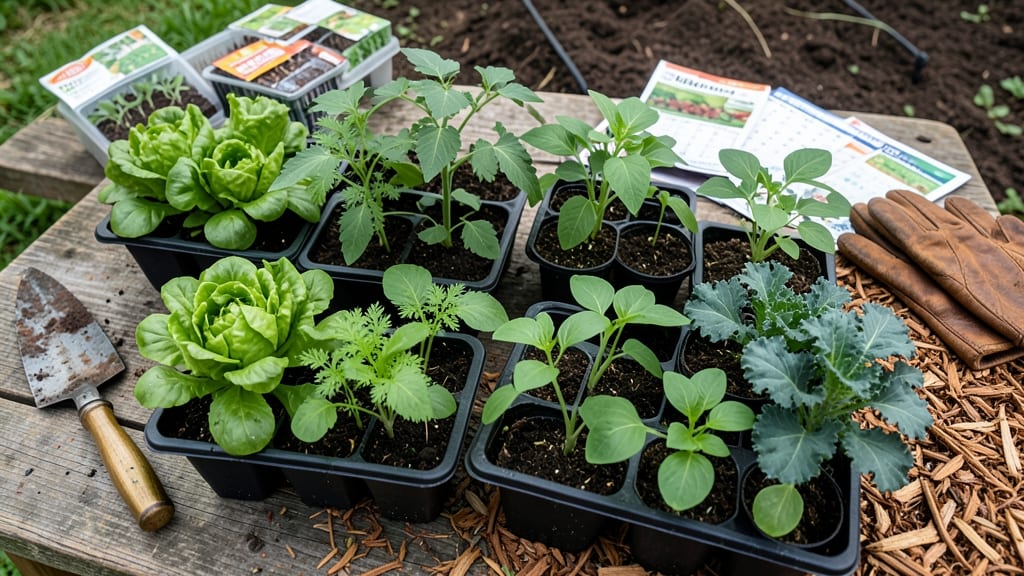
Timing when to plant a vegetable garden in New York isn’t just about luck—it’s about beating frost, avoiding wasted effort, and maximizing your harvest. One wrong move, and your hard work could end up as breakfast for hungry squirrels or a sad, frozen pile of disappointment.
If you’ve ever stared at your calendar in April wondering, "Should I plant now?" or panicked in July when tomatoes still look like green globes, you’re not alone.
New York’s USDA zones 5-7 (from upstate’s chilly 4a to NYC’s milder 7b) create a tricky balance—too early, and frost zaps your seedlings; too late, and you miss the sweet spot for summer bounty.
Here’s the game-changer: a zone-specific planting schedule that turns guesswork into a foolproof plan.
Whether you’re a city balcony gardener or a rural plot owner, I’ll show you exactly when to start seeds indoors, when to brave the soil outdoors, and how to stretch your growing season for fall crops that keep producing until frost.
Ready to ditch the "maybe next year" excuses? Let’s get your Vegetable Garden growing on a timeline that actually works for New York’s quirks—no frostbite required.
New York planting zones: when to start seeds indoors vs. direct sowing outdoors
New York’s diverse climate—from USDA Zone 4a in the Adirondacks to Zone 7b in NYC—means your planting timeline depends heavily on where you live. For most of the state, the last frost date falls between mid-April and early May, but northern regions can see frost well into June.
This variability is why understanding your zone is critical for seed-starting indoors and direct sowing outdoors.
Cool-season crops like spinach, lettuce, and peas thrive when planted 4-6 weeks before your last frost, while warm-season crops such as tomatoes and peppers need to wait until after the last frost—or be started indoors 6-8 weeks earlier for a head start.
Let’s break down the exact timing for your region to avoid frost damage or missed harvests.
| Zone | Region | Last Frost Date | Indoor Seed Start (Warm Crops) | Direct Sow Cool Crops | Transplant Warm Crops |
|---|---|---|---|---|
| 4a (Northern NY) | Mid-June | Late March | Early May | Late June |
| 5a (Upstate NY) | Early May | Early April | Late April | Mid-May |
| 6a (Central NY) | Mid-April | Late March | Early April | Early May |
| 7a (Long Island/NYC) | Early April | Mid-March | Late March | Late April |
For cool-season crops, like kale, broccoli, and carrots, you can even start sowing seeds 4-6 weeks before your last frost. These hardy plants tolerate light frosts and often taste sweeter after a frost.
Meanwhile, warm-season crops such as tomatoes, peppers, and cucumbers must wait until soil temperatures reach at least 50°F (10°C)—a rule of thumb for most of New York.
If you’re unsure about your exact last frost date, check the Cornell University Garden Resources or use the National Weather Service’s frost prediction tools. These resources provide localized data to help you fine-tune your planting schedule.
For example, NYC’s Zone 7b allows for earlier planting than Zone 5a in Syracuse, so adjust accordingly.
Another pro tip: Use row covers or cold frames to extend your planting window by 2-4 weeks in early spring or late fall. This low-cost hack lets you sow spinach in March or kale in October without risking frost damage.
Just ensure your covers allow for adequate airflow to prevent fungal issues.
For direct sowing, timing is everything. Plant radishes and lettuce as soon as the soil is workable (usually late March to early April in most of NY), but avoid sowing beans and squash until after the last frost.
These heat-loving plants will bolt or wilt if exposed to cold soil.
One common mistake I see is overestimating warm-season crops. For instance, planting tomato seedlings too early can stunt their growth, while waiting until June might mean a shorter harvest before fall frost. Aim to transplant 6-8 week old seedlings 2-3 weeks before your last frost date for optimal results.
Finally, don’t forget about succession planting. After harvesting early crops like radishes or lettuce, replant with bush beans or carrots to maximize your garden’s productivity. This strategy ensures a continuous harvest from spring to fall, even in New York’s short growing season.
By mastering these zone-specific deadlines, you’ll turn New York’s unpredictable climate into an advantage—yielding a bountiful, frost-free harvest every season. 🌱
Month-by-month planting calendar for New York’s best harvests
New York’s 140-200 frost-free days create a tight window for planting. To maximize your harvest, align your schedule with monthly deadlines that account for cool-season hardiness and warm-season heat needs. Start by marking your last frost date—typically mid-April to early May—as your spring planting anchor.
March is all about indoor seed starting. Begin tomatoes, peppers, and eggplants indoors 8-10 weeks before transplanting, while leafy greens like spinach and kale can go straight into cold frames outdoors. Use grow lights if natural light is limited, ensuring seedlings get 12-16 hours of light daily.
🌿 Direct Sow: Spinach, kale, peas (cold frames)
💡 Tip: Harden off seedlings by mid-April
🌿 Direct Sow: Radishes, carrots, beets
⚠️ Warning: Cover seedlings with row covers if frost threatens
🌿 Direct Sow: Green beans, corn, cucumbers
💡 Tip: Use mulch to retain moisture
🌿 Direct Sow: Late-season beans, squash
✅ Goal: Maintain continuous harvests
🌿 Direct Sow: Radishes, turnips, arugula
💡 Tip: Plant heat-tolerant varieties like Malabar spinach
🌿 Direct Sow: Garlic, onions, peas
⚠️ Warning: Avoid planting warm-season crops after mid-August
For fall harvests, focus on cool-season crops like kale, Brussels sprouts, and carrots. These thrive in cooler temps (50-65°F) and can even sweeten after light frosts. Succession planting every 2-3 weeks ensures a steady supply—think radishes in July for a September harvest.
New York’s first frost (mid-October to early November) signals the end of outdoor planting. Use this time to harvest remaining crops, compost plant debris, and plan next year’s layout. Hardy crops like garlic and onions can still be planted in October for a summer harvest.
Pro tip: Track your garden’s microclimate. Urban areas like NYC (Zone 7b) stay warmer than upstate (Zone 5), allowing 2-3 extra weeks of planting. Adjust deadlines based on your local frost history—check Cornell Cooperative Extension for region-specific data.