
Planting
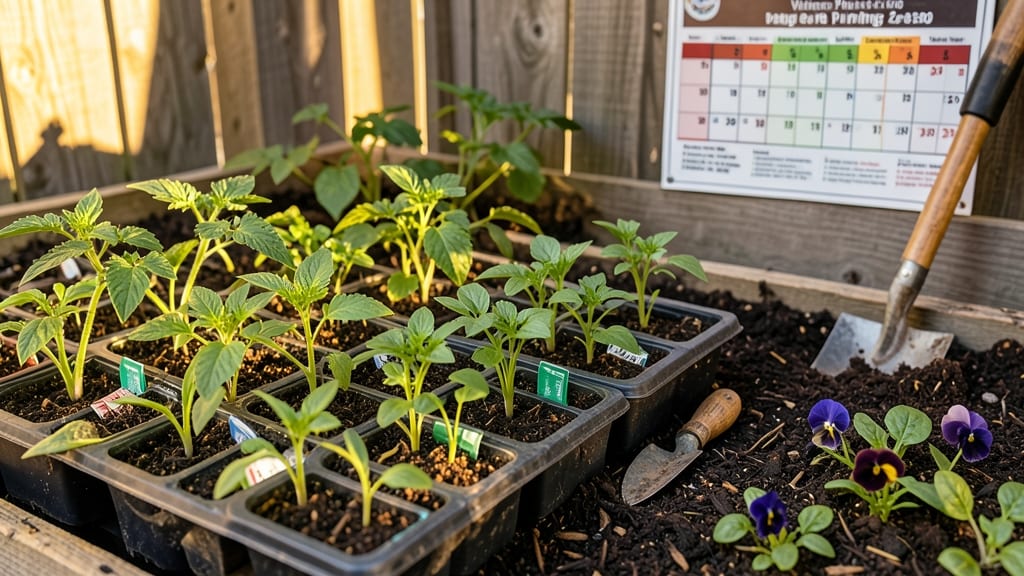
When to plant a garden in Virginia isn’t just about the calendar—it’s about mastering the microclimates that turn a good harvest into a great one.
Whether you're in the Coastal Plain or the Blue Ridge Mountains, planting too early or too late can mean the difference between thriving 🌱 and struggling plants. The key? Understanding your USDA zone, elevation, and even your neighborhood’s unique frost patterns.
If you’ve ever wondered why your neighbor’s tomatoes ripen weeks before yours—or why your lettuce bolts in the heat—you’re not alone. Virginia’s diverse climate zones (6a–8a) create planting windows that shift dramatically from one corner of the state to another.
Get this right, and you’ll enjoy fresh produce for months; get it wrong, and you might be staring at a sad, frost-nipped garden by summer.
In this guide, I’ll break down the exact month-by-month schedule for your Virginia garden, tailored to your specific location. We’ll cover everything from cool-season crops like spinach (plant in March) to warm-season favorites like peppers (wait until May or later).
Plus, I’ll share pro tips to extend your growing season, no matter where you live in the state.
Ready to turn your garden into a year-round success? Let’s dive into the planting dates that will finally give you the harvest you’ve been dreaming of.
Virginia planting dates by USDA zone: exact timing for cold-hardy & warm-season crops
Virginia spans USDA zones 5a to 8a, meaning your last frost dates can vary by 6 weeks—from early March in the mountains to mid-April in coastal areas. For cool-season crops like spinach or broccoli, aim to plant 4-6 weeks before your local last frost.
Warm-season crops, including tomatoes and peppers, need to wait until 2-3 weeks after the last frost date. My Northern Virginia garden (zone 7a) starts cool crops in early March, while my friend in Southside Virginia (zone 7b) can plant the same crops a full week later.
Timing isn’t just about frost—it’s also about soil temperature. Warm-season crops like cucumbers and beans need soil that’s at least 60°F before planting. In zone 6a (Roanoke), that might mean waiting until mid-April, while zone 8a (Norfolk) gardeners can start as early as late March.
Always check a local frost calendar or use a soil thermometer to avoid guessing.
Here’s your zone-by-zone planting guide, including prep windows for transplants and direct sowing. Use this as your garden’s roadmap to avoid common mistakes like planting too early and risking frost damage.
| USDA Zone | Last Frost Date | Cool-Season Planting Window | Warm-Season Planting Window | Transplant Prep Window |
|---|---|---|---|---|
| 5a (Mountains: e.g., Blacksburg) | March 15 | February 15 - March 15 | May 1 - May 15 | Start indoors March 1 |
| 6a (Piedmont: e.g., Lynchburg) | March 22 | February 20 - March 22 | April 20 - May 1 | Start indoors February 20 |
| 7a (Northern VA: e.g., Richmond) | March 31 | March 1 - March 31 | April 15 - April 30 | Start indoors February 28 |
| 7b (Central VA: e.g., Charlottesville) | April 1 | March 10 - April 1 | April 1 - April 15 | Start indoors February 15 |
| 8a (Coastal VA: e.g., Norfolk) | April 15 | March 1 - March 15 | March 20 - April 1 | Start indoors January 31 |
For fall planting, reverse the schedule. Cool-season crops like kale and carrots can be sown 8-10 weeks before your first frost date. In zone 7a (Richmond), that means planting by September 15, while zone 5a (Blacksburg) gardeners should aim for August 15.
Warm-season crops like sweet potatoes can be planted as late as July 15 in most zones, giving them time to mature before frost.
Pro tip: Use row covers or cold frames to extend your spring planting window by 2-3 weeks. I’ve successfully planted cabbage and lettuce in early February using a simple hoop house, shaving weeks off my wait time for fresh greens.
Just remove the covers once nighttime temperatures stay above 40°F consistently.
If you’re growing perennials or woody plants, timing matters too. Plant bare-root trees in late winter or early spring (February-March) while they’re dormant. For shrubs and flowers, aim for spring planting (April-May) or fall planting (September-October) to establish roots before extreme temperatures.
My lavender bushes thrive when planted in late September, giving them time to root before winter.
Don’t forget about succession planting! In Virginia’s longer growing season (zones 7b-8a), you can often squeeze in 2-3 harvests of fast-growing crops like bush beans, radishes, or lettuce.
Plant your first batch in early spring, a second in early summer, and a third in late summer for a continuous harvest until frost. This strategy works especially well for container gardens or small urban plots.
For container gardening, adjust your timing slightly. Potted plants warm up faster in spring, so you can plant warm-season crops 1-2 weeks earlier than in-ground gardens. Just ensure your containers have drainage holes and use lightweight potting mix to prevent overheating. My tomato plants in containers produce fruit
How elevation and microclimates shift your planting schedule in Virginia
Virginia’s elevation changes can shift your planting schedule by weeks—or even months. A garden at sea level in Hampton may have warmer soil in March, while one at 3,000 feet in Roanoke might still face late frosts in May.
These microclimates aren’t just about temperature—they affect soil warmth, frost pockets, and even rainfall patterns. Let’s break down how to adjust your schedule based on where you live in the state.
Start by checking your elevation range. Virginia spans from sea level in the Tidewater region to over 5,000 feet in the Blue Ridge Mountains. Generally, every 1,000-foot increase in elevation can delay your planting window by 1–2 weeks.
For example, if your neighbor in Richmond plants tomatoes on April 15, you might need to wait until April 29 if you’re at 2,000 feet in Lynchburg.
Next, consider your terrain type. Gardens in valleys often experience colder air pooling at night, while ridge tops can warm up faster. Urban areas like Arlington or Alexandria may have heat islands that let you plant earlier, but rural spots with wind exposure might need protective measures.
Even a south-facing slope can receive 2–3 extra hours of sunlight daily, giving plants a head start.
Here’s how these factors play out in real-world scenarios:
| Factor | Coastal Plain (0–500 ft) | Piedmont (500–1,500 ft) | Mountains (1,500–3,000 ft) |
|---|---|---|---|
| Last Frost Date | March 15–April 1 | March 1–March 15 | April 15–May 1 |
| Soil Warms to 60°F | Late February | Early March | Mid-April |
| Frost Risk in Fall | Late November | Early November | Mid-October |
| Best Month for Warm Crops | April–May | May | June |
| Microclimate Note | Humid, slower drainage | Moderate, well-drained | Dry, windy, cooler nights |
If you’re in a mountainous area, prioritize cold-hardy varieties like kale or Swiss chard, which tolerate lower soil temps. In coastal zones, focus on heat-tolerant crops such as okra or sweet potatoes, which thrive in warmer, humid conditions.
For urban gardeners, use reflective mulches or light-colored containers to reduce heat stress in summer.
Don’t forget to monitor local weather patterns. Check resources like the Virginia Cooperative Extension or NOAA frost maps for real-time updates. Even within a single county, a garden on a hilltop might be 2 weeks ahead of one in a low-lying valley.
Adjust your schedule annually—Virginia’s climate shifts can change planting windows by 7–10 days year to year.
With these adjustments, you’ll avoid frost damage to tender seedlings and maximize your harvest potential. Happy planting! 🌱