
Planting
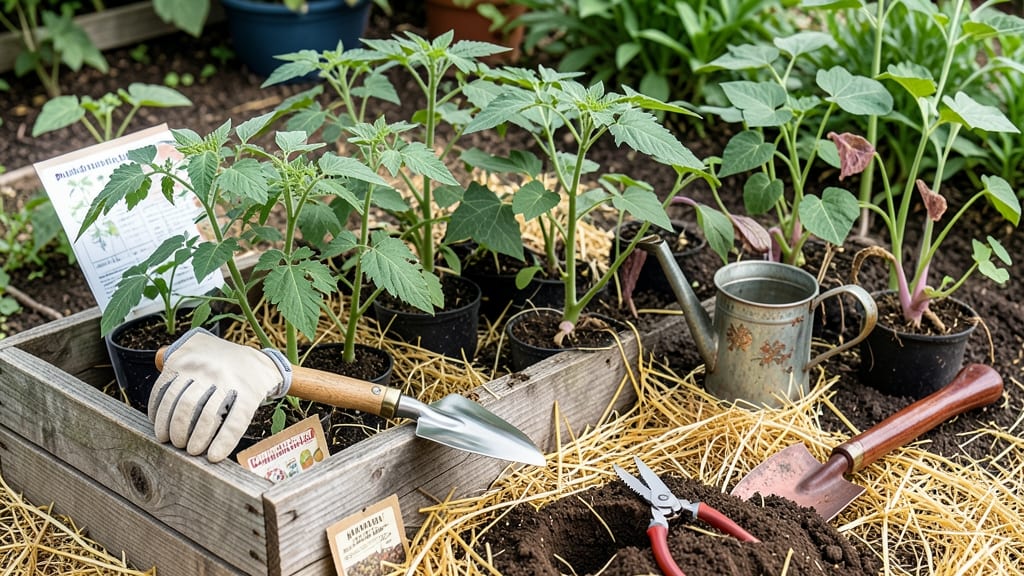
Timing when to plant a garden in Alabama isn’t just about throwing seeds in the dirt—it’s about outsmarting the state’s Heat Zones 7-8 to avoid wilting under summer’s brutal sun or freezing in unexpected late frosts.
Whether you’re dreaming of crisp spring lettuce or juicy summer tomatoes, planting too early or late can turn your green thumb into a cautionary tale. The good news? With the right schedule, your Alabama garden can thrive year-round, from cool-season greens in spring to heat-loving crops in fall.
I’ve spent years testing what works in Alabama’s unique climate, and the secret lies in understanding your specific zone’s frost dates and soil conditions. For example, North Alabama’s cooler nights demand earlier starts for peas and spinach, while Birmingham’s heat calls for shade-loving varieties like okra or sweet potatoes.
Let’s break down the exact windows—so you can plant with confidence and watch your garden flourish.
Spring planting in Alabama kicks off as early as February in southern zones, but wait until March in the cooler north. Fall offers another golden opportunity, with late-summer transplants setting the stage for winter harvests.
We’ll cover everything from soil prep to heat-tolerant varieties, so you never miss a beat. Ready to turn your backyard into a productive oasis? Let’s get started.
The key to Alabama gardening isn’t just when you plant—it’s knowing your zone’s quirks, like microclimates that can make a 10-mile difference in frost risk. Whether you’re in Huntsville or Mobile, this guide gives you the precise deadlines and pro tips to maximize your harvest.
No more guesswork—just lush, thriving plants all season long.
Alabama spring planting schedule by heat Zone (zones 7-8)
Alabama’s spring planting window typically opens in late February to early March in Zone 8 (southern Alabama) and mid-March to early April in Zone 7 (northern Alabama). These dates align with your last average frost date, which ranges from February 15 in Mobile to March 15 in Huntsville.
Planting too early risks frost damage, while waiting too long means missing the cool-season crop window before summer heat sets in.
For cool-season vegetables like lettuce, spinach, and peas, aim to sow seeds 4-6 weeks before your last frost date.
Southern Alabama gardeners can start as early as late January under row covers, while northern gardeners should wait until mid-March. Heat-tolerant varieties like Malabar spinach or Swiss chard are excellent choices for extending your spring harvest into early summer.
Your soil temperature is critical—wait until it reaches at least 50°F (10°C) for most cool-season crops. Use a soil thermometer to check, especially in Zone 7, where cooler nights delay warming.
Amend your soil with compost or aged manure 2-3 weeks before planting to improve drainage and fertility, as Alabama’s clay-heavy soils can compact easily.
Here’s your spring planting timeline by crop type, tailored to Alabama’s Heat Zones 7-8:
| Crop Type | Zone 8 Planting Window | Zone 7 Planting Window | Soil Prep Tip |
|---|---|---|---|
| Cool-Season Veggies (lettuce, spinach, peas) | Late Feb–Early April | Mid-March–Early May | Test pH (6.0–7.0), add lime if needed |
| Warm-Season Starts (tomatoes, peppers, basil) | Mid-March–April (indoors) | Late March–May (indoors) | Use seedling trays with heat mats |
| Flowers (marigolds, zinnias, cosmos) | March–April (direct sow) | April–May (direct sow) | Mulch with straw to retain moisture |
| Herbs (basil, cilantro, dill) | March–April (after last frost) | April–May (after last frost) | Plant in well-draining containers if needed |
Direct-sowing your cool-season crops (like radishes or carrots) 2-3 weeks before your last frost date gives them a head start. For warm-season crops (tomatoes, peppers), start seeds indoors 6-8 weeks before transplanting—Zone 8 gardeners can move seedlings outdoors by mid-April, while Zone 7 should wait until mid-May to avoid late spring frosts. Use row covers for extra protection if needed.
Alabama’s humidity and heat can stress young plants, so harden off seedlings gradually by exposing them to outdoor conditions for 1-2 hours daily before full transplanting. Choose morning hours for transplanting to reduce transplant shock and wilting.
Water deeply before and after planting to encourage root establishment in the clay-heavy soils common across the state.
Don’t overlook succession planting—sow fast-growing crops like bush beans or lettuce every 2-3 weeks to ensure a continuous harvest.
In Zone 8, you can even plant fall crops like broccoli or kale as early as late July, while Zone 7 gardeners should wait until mid-August to avoid summer bolting. Plan your garden layout with these deadlines in mind to maximize space and yield.
Pro Tip: Keep a gardening journal to track your frost dates, soil temperatures, and planting success year over year. Alabama’s microclimates (e.g., cooler mountain valleys vs. warmer coastal areas) mean your neighbors’ frost dates may differ from yours by 2-3 weeks. Adjust your schedule based on your specific location within the state.
By following this Heat Zone-specific schedule, you’ll avoid the common pitfalls of Alabama gardening—frost damage, heat stress, and poor soil conditions—and enjoy a bountiful spring harvest from leafy greens to homegrown tomatoes. Happy planting! 🌱
Fall planting in Alabama: why it’s the secret weapon for bigger harvests
Fall planting in Alabama isn’t just a backup plan—it’s your secret weapon for extending harvests and avoiding summer’s brutal heat. While many gardeners focus on spring, cool-season crops thrive in Alabama’s mild autumn, often producing bigger, sweeter yields than their spring counterparts.
Think of fall as your garden’s second chance: fewer pests, lower water needs, and soil that stays warm longer. In Heat Zones 7-8, you can grow everything from kale to carrots well into winter, with some varieties even surviving light frosts.
Here’s the game plan: Start 6-8 weeks before your first frost (typically late July to early August in North Alabama and late August to early September in Birmingham). This timing ensures plants mature before cold sets in but avoids the scorching July heat that stresses seedlings.
- 📅 Late July-August: Plant warm-season holdovers (okra, sweet potatoes) and cool-season starters (spinach, peas).
- 🌱 August-September: Transplant broccoli, cabbage, and Brussels sprouts—these love cooler temps and grow sweeter after frost.
- 🍂 October-November: Direct-sow garlic, onions, and winter lettuce for spring harvests.
- ❄️ December: Mulch heavily to protect overwintering crops like kale and collards from light frosts.
Pro tip: Amend your soil before planting with compost or aged manure—fall’s cooler temps mean nutrients break down slower, giving your plants a steady supply. Aim for a pH of 6.0-7.0 for most vegetables, and test your soil if you’re unsure.
Don’t overlook microclimates: Gardens in North Alabama (Zone 7) can handle hardier crops like fava beans until late winter, while Birmingham (Zone 8) might push spinach through Christmas. Adjust your planting dates based on your last frost date—check the Alabama Agricultural Statistics Service for local averages.
With the right timing and a little prep, fall planting can double your harvest while keeping your garden productive year-round. Start small with fast-growing crops like radishes or lettuce to test your soil’s fertility, then expand next season.