
Planting
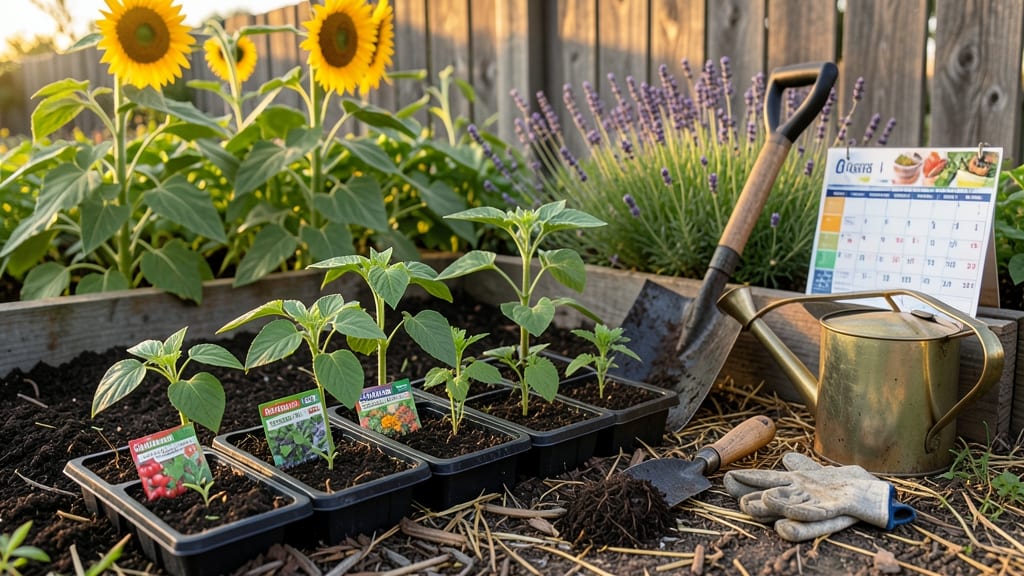
If you’ve ever stared at a seed packet in March wondering whether to plant your 🌱 General Garden just yet, you’re not alone—Missouri’s fickle weather can turn even the most eager gardener into a second-guesser.
The truth? Timing your spring planting to Missouri’s USDA Zone 5b-6b frost dates is the difference between a bumper crop and a sad, wilted disappointment.
Here’s the kicker: planting too early risks frost damage, while waiting too long cuts your harvest short. I’ve spent years perfecting the schedule for Missouri gardens, and the exact deadlines you need depend on whether you’re growing cool-season veggies like lettuce or heat-loving tomatoes.
Let’s break down the critical windows so you can start planting with confidence—no more guesswork, just thriving plants.
Whether you’re a first-time gardener or a seasoned green thumb, knowing when to tuck seeds into the soil (or under row covers) can save you from common Missouri mistakes like stunted growth or bolted greens.
From St. Louis to Kansas City, the last frost typically hits around mid-April, but urban microclimates can shift that window by weeks. I’ll show you how to adjust for your specific corner of the state.
Ready to transform your garden into a productive paradise? By the end of this guide, you’ll know not just when to plant, but how to protect your 🌱 General Garden from Missouri’s notorious weather whiplash.
Let’s get those seeds in the ground at the perfect moment—because in gardening, timing really is everything.
Missouri planting deadlines by crop type: cool-season vs. warm-season schedules
Missouri’s USDA Zone 5b/6a means your planting schedule hinges on last frost dates (typically mid-April) and soil temperatures.
Cool-season crops like lettuce and peas thrive in early spring, while warm-season favorites such as tomatoes and peppers need to wait until after the last frost—usually late April to early May.
Regional differences matter too: Northern Missouri (e.g., St. Louis) may have 2-3 weeks later last frosts than Southern Missouri (e.g., Kansas City).
For cool-season vegetables, start seeds indoors 4-6 weeks before your last frost or sow directly 2-4 weeks before. These crops handle light frosts (down to 25°F) and even bolting from heat.
Warm-season crops, however, won’t germinate in cold soil (below 50°F) and can wilt if exposed to below 55°F temps. Use a soil thermometer to confirm readiness—60°F+ is ideal for tomatoes and peppers.
Missouri’s fall planting window runs from mid-August to early September, targeting 6-8 weeks before first frost (usually mid-October). This lets you squeeze in cool-season crops like kale, spinach, and carrots for a late harvest.
Succession planting is key: Replace early bolt-prone greens (e.g., radishes) with hardier varieties (e.g., broccoli) as summer wanes.
Here’s a breakdown of Missouri’s planting deadlines by crop type, including regional adjustments and soil temperature thresholds:
| Crop Type | Planting Window | Soil Temp Threshold | Notes |
|---|---|---|---|
| Cool-Season Veggies (Lettuce, Peas, Spinach) | March 15–April 15 (spring) / Aug 15–Sep 1 (fall) | 40–50°F (direct sow) / 50–60°F (transplant) | Plant 4–6 weeks before last frost. Use row covers for early starts. |
| Warm-Season Veggies (Tomatoes, Peppers, Cucumbers) | April 30–May 15 (after last frost) | 60°F+ (minimum) | Start indoors 6–8 weeks before last frost. Harden off seedlings. |
| Herbs (Basil, Cilantro, Parsley) | April 1–May 10 (spring) / Aug 1–Sep 1 (fall) | 50°F+ (basil needs warmth) | Cilantro bolts in heat; plant in partial shade in summer. |
| Flowers (Marigolds, Zinnias, Sunflowers) | April 15–May 10 (spring) / Jul 1–Aug 1 (fall) | 55°F+ (most annuals) | Sunflowers tolerate cooler soil; marigolds deter pests. |
| Perennials (Asparagus, Rhubarb, Strawberries) | March 1–April 15 (spring) | 45–50°F (asparagus crowns) | Asparagus takes 2–3 years to harvest; plant crowns early. |
Missouri’s clay-heavy soils can delay warming, so amend beds with compost 2–3 weeks before planting to improve drainage and heat retention. For urban gardeners, container-grown plants warm up faster—ideal for balconies or rooftops where microclimates run 5–10°F warmer than ground level.
Pro tip: Use floating row covers to extend your spring planting window by 2–3 weeks. These lightweight fabrics protect seedlings from late frosts while allowing sunlight and 60% of rainfall through. Remove covers when temps consistently stay above 50°F during the day and 40°F at night.
For warm-season crops, prioritize fast-maturing varieties (e.g., ‘Early Girl’ tomatoes or ‘Bush Early Blue’ beans) to maximize harvests before first frost. In Southern Missouri, you might squeeze in a second planting of beans or cucumbers in early July for a late-summer harvest.
Missouri’s fall garden is often overlooked but can be just as productive. Focus on slow-bolting greens like kale or Swiss chard, which sweeten after light frosts. Plant broccoli and cabbage by August 15 for harvests in October–November, and don’t
How to adjust planting times for Missouri’s unpredictable weather patterns
Missouri’s unpredictable frost dates and variable spring temperatures can throw off even the most experienced gardener. In my Zone 5b/6a garden, I’ve learned to adjust planting times using protective strategies and microclimate awareness—especially in urban areas where heat islands accelerate warming.
The key is flexibility: knowing when to push limits with row covers versus when to wait for stable soil temperatures.
For cool-season crops like spinach or peas, I start seeds 4-6 weeks before the last frost (typically mid-March in St. Louis). But if soil temps drop below 40°F, germination stalls.
A cold frame or black plastic mulch can warm the soil by 5-10°F, creating a microclimate that mimics later spring conditions. This trick lets me plant 2-3 weeks earlier without risking frost damage.
Use Row Covers for Early Planting
Extend the growing season by 2-4 weeks with lightweight fabric covers. Ideal for broccoli, cabbage, and lettuce—just remove covers when temps reach 75°F to prevent overheating.
Monitor Soil Temperature
Warm-season crops like tomatoes and peppers need soil at 60°F+. Use a soil thermometer—planting too soon in 50°F soil causes poor root development and blossom-end rot in tomatoes.
Adjust for Urban Heat Islands
City gardens (like mine in St. Louis) can be 5-10°F warmer than rural areas. Start heat-loving crops like okra or sweet potatoes 1 week later than rural guides suggest.
Plan for Late Frosts
Missouri’s average last frost is April 15, but I’ve seen frost as late as May 5. Use frost cloth or plant frost-tolerant varieties like ‘Winterbor’ kale or ‘Sugar Snap’ peas for insurance.
Another trick I swear by is succession planting with fast-growing crops. For example, I sow radishes every 2 weeks from March to September. If an early planting fails due to frost, the next batch is already in the ground.
This insurance strategy ensures a steady harvest even when Mother Nature throws curveballs—like the 2021 late-May frost that wiped out my tomato seedlings.
For warm-season crops, I wait until 2-3 weeks after the last frost (usually early May) and use black plastic mulch to warm the soil faster.
This lets me plant squash and cucumbers 10 days earlier than without mulch. Just be cautious—overheating can stress plants, so always monitor soil moisture during heatwaves.
Finally, I keep a gardening journal to track my local frost dates and adjust future plantings. Last year, my Kansas City garden (Zone 6a) had its last frost on April 8, while my St. Louis garden (Zone 5b) waited until April 22.
These regional differences matter—especially for frost-sensitive crops like eggplants or peppers.
By combining protective tools, soil temperature checks, and localized adjustments, I’ve turned Missouri’s unpredictable weather into an advantage. The result? A garden that thrives even when the forecast says otherwise. 🌱