
Plants
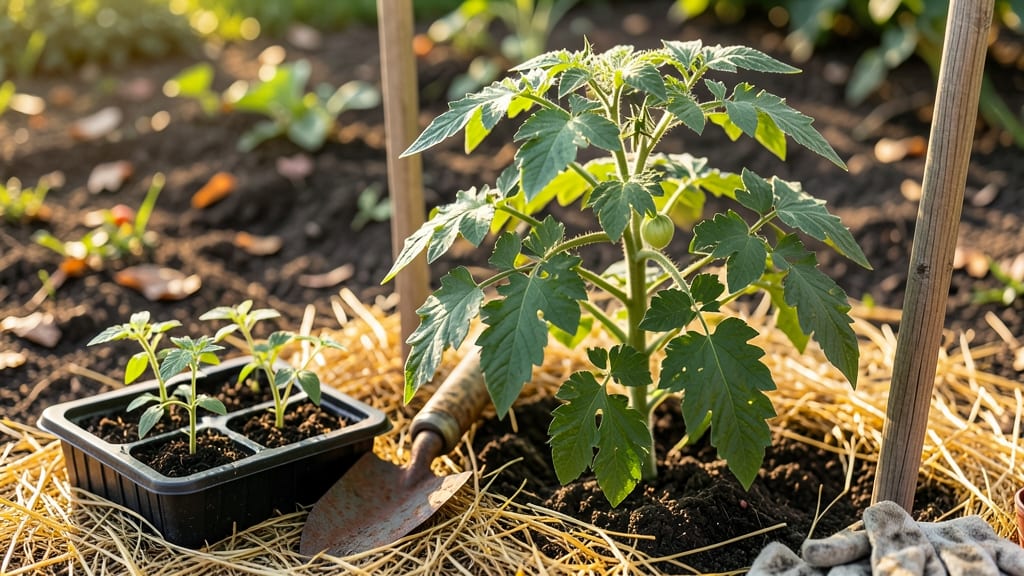
When should you plant tomatoes in Texas? Timing your tomato planting in Texas isn't just about the calendar—it's about surviving the 8a-10b heat zones that can turn your 🍅 dreams into crispy failures if you're not careful.
One wrong move, and you'll either lose plants to early frosts or watch them wilt under summer's scorching sun.
Most gardeners assume spring is the only window, but Texas' unique climate actually gives you two prime chances to grow thriving tomatoes.
The key lies in understanding your specific heat zone and adjusting planting dates accordingly—whether you're in North Texas where frosts linger or South Texas where summer heat arrives early.
In this guide, I'll break down exactly when to plant for your region, which tomato varieties handle Texas' extremes best, and how to avoid common mistakes that waste your hard work.
You'll discover how to stretch your growing season, protect young plants, and even grow tomatoes in containers if space is limited.
Ready to turn your Texas garden into a tomato powerhouse? Let's get started with the planting schedule that actually works for your heat zone.
Texas heat zones explained: best planting windows by region
Texas stretches across 10 distinct heat zones (A-J), each with unique frost-free dates that dictate your tomato planting window. North Texas (Zones 7b-8a) faces late frosts in mid-February, while South Texas (Zones 9a-10b) enjoys frost-free conditions by January 1.
Understanding your zone ensures you avoid frost damage or heat stress—both deadly for tomatoes.
For example, gardeners in Amarillo (Zone 7a) should wait until April 15 for safe transplanting, while those in Houston (Zone 9a) can plant as early as February 1. The key is aligning your schedule with soil temperatures of 60°F+ and nighttime temps above 50°F to prevent blossom-end rot.
🌱
| Zone | Last Frost Date | Ideal Planting Window | Notes |
|---|---|---|---|
| 7a (North TX) | Feb 15 | April 15–May 1 | Use row covers for early starts |
| 8a (Central TX) | Jan 31 | March 15–April 15 | Soil warming mats help |
| 9a (South TX) | Jan 1 | Feb 1–March 15 | Fall planting possible until Sept 15 |
| 10a (Deep South) | Dec 15 | Jan 15–Feb 28 | Year-round growth possible |
🌡️ Find Your Zone: Use the USDA Plant Hardiness Map or Texas A&M AgriLife.
North Texas gardeners (Zones 7b-8a) should prioritize late spring planting after the last frost, while South Texas (Zones 9a-10b) can start as early as January. The fall window (July–September) works statewide but requires shade cloth in peak summer to protect plants from 100°F+ temps.
Pro tip: Use black plastic mulch to warm soil faster in cooler zones, or drip irrigation to maintain moisture during Texas' brutal summer droughts. Both tricks extend your planting window by 1-2 weeks.
For urban gardeners in Dallas (Zone 8a) or San Antonio (Zone 9a), container planting offers flexibility—just ensure pots have drainage holes and use lightweight potting mix to prevent root rot in the heat.
🌿
Remember: Succession planting every 2-3 weeks after your initial window ensures a continuous harvest. In Zone 9a-10a, you can even plant a third crop in late summer for a fall harvest before the first frost.
💧
How to adjust planting for Texas' unpredictable weather patterns
Texas weather throws curveballs—one day it's 80°F, the next a surprise frost. To protect your tomato plants, I've learned to adjust planting windows based on soil temperature and forecast trends.
For example, North Texas gardeners should wait until mid-April when nighttime temps consistently stay above 55°F, while South Texas can start as early as late February. Always check the National Weather Service for your area's 10-day forecast before planting.
Soil warming is my secret weapon against early-season chills. I use black plastic mulch or clear plastic tunnels to raise soil temps 5-10°F faster than unprotected beds. For container growers, place pots on heat-absorbing surfaces like dark-colored bricks or pavers. Pro tip: Bury a soil thermometer 2 inches deep—plant only when it hits 60°F or warmer to prevent blossom-end rot.
Frost protection is non-negotiable in Texas' transitional zones. I keep frost cloth and row covers ready for Zone 8a and colder. For late spring, drape covers over seedlings at dusk and remove by 10 AM to avoid overheating.
In Zone 7b, I use cold frames to extend the season by 3-4 weeks. Remember: Never use plastic directly on plants—it traps moisture and promotes fungal diseases like early blight.