
How To
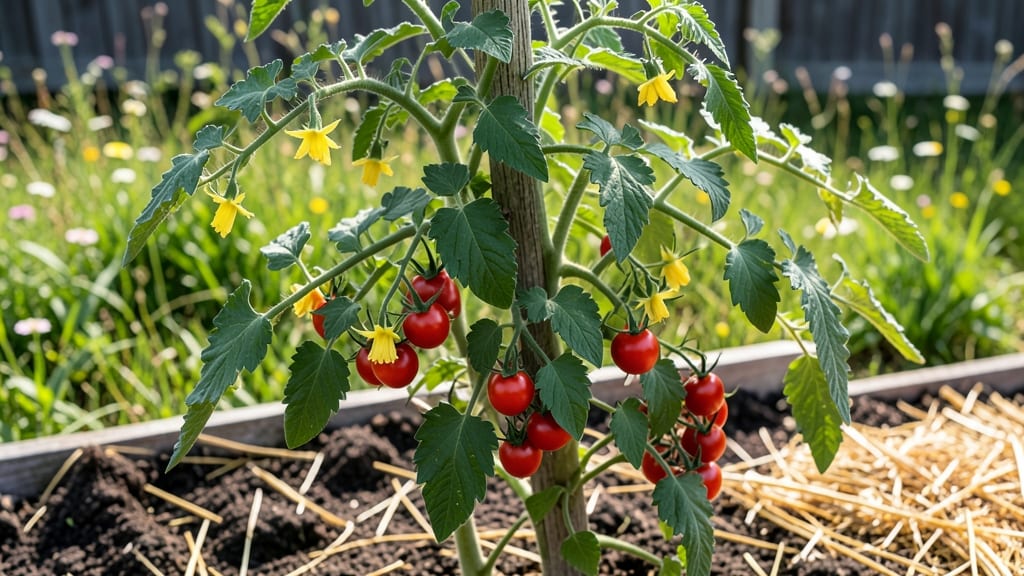
Wondering how tall does cherry tomato plant grow before it starts claiming your entire garden? You’re not alone—many gardeners assume these little powerhouses need sprawling space, but the truth is far more flexible. Some varieties stay neatly under 2 feet, while others stretch toward the sky like overgrown vines.
The key? Knowing the difference between compact and sprawling types can mean the difference between a crowded garden and a thriving, space-efficient harvest.
If you’re working with limited space—whether it’s a balcony, patio, or small backyard—cherry tomatoes are one of the best crops to grow. The right variety can turn tight corners into productive growing areas, and with a few smart tricks, you’ll maximize your yield without sacrificing room for other plants.
Let’s dive into the height ranges, best compact picks, and tips to keep your 🍅 cherry tomato plants in check while still packing in flavor.
Determinate (bush) varieties are the unsung heroes of small gardens, typically topping out around 3-4 feet, while indeterminate (vining) types can reach 6 feet or more if left unchecked. The good news?
You don’t have to choose between height and harvest—pruning, trellising, and strategic planting can help you control growth and boost productivity, even in the tightest spaces. Ready to learn how?
From dwarf varieties that fit in pots to towering climbers that need a sturdy support system, we’ll cover everything you need to know to pick the perfect cherry tomato for your space.
Plus, I’ll share my favorite space-saving techniques to keep your garden tidy and your tomatoes happy—no sprawling vines required.


Cherry tomato plant height ranges: from bush to vining varieties
When planning your cherry tomato garden, knowing the height differences between varieties is key to maximizing space. Cherry tomatoes fall into two main categories: determinate (bush) and indeterminate (vining).
The first group stays compact, while the second can reach sky-high if left unchecked. Let’s explore their growth habits and how they impact your garden layout.
Determinate varieties are the space-savers, typically growing 2-4 feet tall and producing fruit all at once. These are perfect for containers or small garden plots. On the other hand, indeterminate types can stretch 6-10 feet tall and produce fruit continuously throughout the season, but they’ll need support to thrive.
Your choice between these types depends on your goals. If you want a quick harvest in a small area, go for determinate. For a prolonged harvest and vertical gardening, indeterminate varieties are ideal. Both types have their charms, but their height differences will shape your entire planting strategy.
Here’s the game-changer: even indeterminate varieties can be pruned to stay under 5 feet tall. This opens up possibilities for balconies, patios, and small urban gardens. The trick is understanding their growth patterns and using support structures wisely.
| Variety Type | Avg. Height | Growth Habit | Yield Pattern | Best For |
|---|---|---|---|---|
| Determinate | 2-4 ft | Bushy, compact | Single harvest | Containers, small beds |
| Indeterminate | 6-10 ft | Vining, sprawling | Continuous harvest | Trellises, vertical gardens |
| Dwarf Varieties | 1-2 ft | Ultra-compact | Single harvest | Window boxes, patios |
The height of your cherry tomato plants isn’t just about space—it’s also about yield and maintenance. Determinate varieties produce all their fruit at once, which means you’ll need to harvest it quickly to avoid overripe tomatoes. Indeterminate types, however, keep producing throughout the season, making them ideal for extended harvests.
For example, the 'Sweet 100' cherry tomato is indeterminate and can grow up to 6 feet tall without pruning. But if you prune it regularly, you can keep it under 4 feet while still enjoying a steady supply of sweet fruit.
This flexibility is one of the reasons indeterminate varieties are so popular among urban gardeners.
Another factor to consider is pruning and training. Even if you choose a determinate variety, you might want to prune it lightly to improve airflow and reduce disease risk. For indeterminate types, pruning is essential to control height and direct energy toward fruit production rather than excessive foliage.
If you’re growing in containers or small spaces, focus on dwarf or semi-dwarf varieties. These stay under 3 feet tall and are perfect for balconies or windowsills. Even if you’re working with larger varieties, using cages or trellises can help manage their height and keep your garden organized.
Remember, the height of your cherry tomato plants isn’t set in stone. With the right support and pruning techniques, you can shape their growth to fit your garden’s layout. Whether you’re working with a tiny balcony or a sprawling backyard, there’s a cherry tomato variety that’ll thrive in your space.
Cherry tomato plant height ranges: from bush to vining varieties
Cherry tomatoes come in two main growth types: determinate (bush) and indeterminate (vining). The height difference between these can be dramatic—some stay under 2 feet, while others stretch to 6+ feet without support.
Determinate varieties like 'Tiny Tim' top out at 18-24 inches, making them perfect for containers or small spaces. Indeterminate types, such as 'Sweet Million', can grow 8-10 feet if left unchecked, producing fruit all season long.
Understanding these differences helps you plan your garden layout. Determinate plants are self-contained, producing fruit in one flush before dying back, while indeterminate varieties keep growing and fruiting until frost. This means vining types need stakes, cages, or trellises to prevent sprawling and maximize yield.
For example, a 4-foot-tall cage works well for mid-height indeterminate varieties like 'Sun Gold', while dwarf determinates thrive in 5-gallon pots on a sunny patio.
| Variety | Type | Mature Height | Yield Notes |
|---|---|---|---|
| Tiny Tim | Determinate | 18-24" | Compact, high yield in small pots |
| Balcony Red | Determinate | 24-30" | Great for hanging baskets |
| Sweet Million | Indeterminate | 6-10 ft | Prolific, needs strong support |
| Sun Gold | Indeterminate | 4-6 ft | Sweet, orange fruit, needs pruning |
| Patio Princess | Determinate | 20-24" | Disease-resistant, bushy |
The height of your cherry tomato plant also depends on growing conditions. Pruning indeterminate varieties can control height and improve airflow, reducing disease risk. For example, pinching off suckers (side shoots) every 2-3 weeks keeps 'Sweet Million' vines manageable while boosting fruit production.
Meanwhile, determinate types like 'Tiny Tim' rarely need pruning—their natural bush shape makes them low-maintenance.
If you’re short on space, container gardening is your best friend. A 5-gallon pot can easily support a 2-foot-tall determinate variety, while a 10-gallon container works for semi-dwarf indeterminates like 'Micro Tom' (which tops out at 12-18 inches).
Just ensure pots have drainage holes and use a lightweight potting mix to avoid root stress. For vining types, choose tall, narrow containers with built-in trellises to save floor space.
Don’t overlook vertical gardening—it’s a game-changer for small spaces. Install a tomato tower or repurpose a ladder trellis to grow indeterminate varieties upward. This not only saves space but also improves air circulation, reducing the risk of blossom end rot and fungal diseases.
Even determinate varieties benefit from light staking to keep branches off the ground, especially in humid climates.
Remember, the height of your cherry tomato plant isn’t set in stone—it’s influenced by pruning, support, and growing conditions. With the right variety and care, you can enjoy a bountiful harvest even in the smallest of gardens.
Start with a compact determinate for beginners, then experiment with indeterminate types as you gain confidence in managing their growth.