
Plants
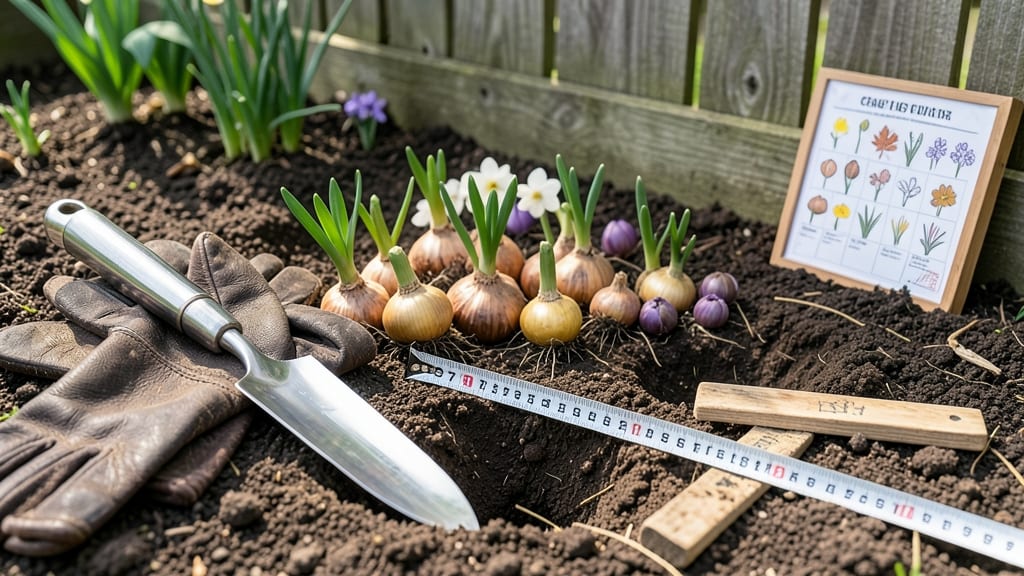
When should you plant bulbs in the ground to ensure a stunning spring display? If you're in USDA Zone 6a, those crisp fall mornings and the first hints of spring are your best windows for planting 🌱 bulbs (General).
Most gardeners assume "fall planting" is one-size-fits-all, but the truth is more nuanced. The 4-6 weeks before ground freezes rule works for spring-blooming bulbs like tulips, but summer-flowering varieties like dahlias need to go in much earlier.
Let me show you exactly when to plant for your zone—and how to adjust for early frosts or late springs.
You might think timing doesn't matter much, but planting too early or too late can leave your bulbs vulnerable to rot, pests, or even freezing. I'll walk you through the ideal months for your region, plus how to tell when soil conditions are just right.
No more guesswork—just a foolproof schedule for bulbs that thrive.
Whether you're a beginner or a seasoned gardener, these insights will help you avoid common mistakes and get the most vibrant blooms year after year. Let's dive into the best planting times so you can enjoy that spring harvest you've been dreaming of.
Best planting times for bulbs by hardiness zone (USDA guide)
Timing is everything when planting bulbs—especially since most varieties need 6-8 weeks of chilling before they’ll bloom. For spring-flowering bulbs like tulips and daffodils, fall planting is critical.
But summer bulbs like dahlias or cannas wait until spring. Your USDA hardiness zone determines the exact window, so let’s break it down.
In zones 3-5, where winters are harsh, aim to plant fall bulbs 6-8 weeks before the first frost. That’s typically October in zone 3 and November in zone 5.
Meanwhile, zones 7-10 have milder winters, so you can plant as late as December or even early January in zone 10. Spring planting is an option for zones 8-10, but it’s riskier.
Here’s the key: Soil temperature matters more than air temperature. Bulbs need 60°F soil to root but 40-50°F to trigger dormancy. Use a soil thermometer if you’re unsure—planting too early can cause rot, while waiting too long means missed blooms.
| USDA Zone | Fall Planting Window | Spring Planting Window | Soil Temp Threshold | Example Bulbs |
|---|---|---|---|---|
| 3-4 | Early Sept–Oct | Not recommended | 40-50°F | Tulips, Daffodils, Hyacinths |
| 5-6 | Oct–Nov | Late March–April | 50-60°F | Alliums, Crocuses, Snowdrops |
| 7-8 | Nov–Dec | Feb–March | 55-65°F | Dahlias, Lilies, Gladiolas |
| 9-10 | Dec–Jan | Jan–Feb | 60-70°F | Caladiums, Begonias, Canna |
For spring-planted bulbs, like dahlias or tuberous begonias, wait until after your last frost date and when soil is at least 60°F. In zone 7, that’s usually March, while zone 10 gardeners can start as early as January.
The trick? These bulbs won’t survive frost, so protect them with row covers if early frosts sneak in.
Pro tip: If you miss the fall window, you can still plant spring bulbs in containers indoors under grow lights until soil warms up. Just use well-draining mix and keep them in a cool (50-60°F) spot until transplanting.
This works great for tulips or hyacinths in zones 5-6 where winters are unpredictable.
Don’t overlook summer bulbs like cannas or dahlias, which thrive when planted in early spring. They need warm soil (65°F+) to sprout, so in cooler zones, start them indoors 6-8 weeks before your last frost.
For example, zone 4 gardeners should begin indoor pots in March and transplant after Memorial Day.
One last rule: Always plant bulbs with the pointy end up. This ensures roots grow downward and shoots emerge upward. For most bulbs, depth equals 2-3 times their diameter. So a 2-inch daffodil bulb goes 4-6 inches deep. Shallow planting leads to flopping stems or frost damage
How to adjust planting timing for early vs late bloomers
Not all bulbs bloom at the same time, and their planting windows vary dramatically. For example, tulips and crocuses are early bloomers that need fall planting, while daffodils and alliums can handle slightly later windows. Understanding these differences helps you create a sequential spring display with continuous color.
Early bloomers like tulips and hyacinths should go in the ground 6-8 weeks before your first frost—usually between September and early November in most zones. These bulbs need cold stratification to trigger flowering, so planting too late can delay or prevent blooms entirely.
Late bloomers such as daffodils and fritillaries are more flexible, often tolerating planting until 4-6 weeks before frost. This gives you a wider window (October to early December) in cooler climates. However, even these bulbs may struggle if planted too close to freezing temperatures.
- 1 Early Bloomers (Tulips, Crocuses): Plant 6-8 weeks before frost (Sept-Oct in most zones). Cold-sensitive—don’t wait!
- 2 Mid-Season Bloomers (Daffodils, Alliums): Plant 4-6 weeks before frost (Oct-Nov). More frost-tolerant but still need chill time.
- 3 Late Bloomers (Summer Bulbs like Dahlias): Plant in spring after last frost (April-May). No cold requirement—ideal for warm climates.
- 4 Rainy Fall Adjustment: If your fall is wet and cold, plant 2-3 weeks earlier to avoid soggy soil. Use raised beds if drainage is poor.
Climate variations can shift these windows significantly. In warmer zones (8-10), where winters are mild, bulbs may need no chill period at all—plant them in late fall or early winter instead.
Conversely, in colder zones (3-5), aim for earlier planting (August-September) to ensure bulbs establish roots before the ground freezes.
Pro tip: Use a soil thermometer to check when soil temps drop to 50-60°F—this is your cue to start planting. Bulbs planted in warmer soil (above 60°F) may rot before roots establish.
For sequential blooming, stagger your planting: Start with tulips and crocuses in early fall, then add daffodils and alliums 3-4 weeks later. This creates a gradual spring spectacle from early March through May.