
Plants
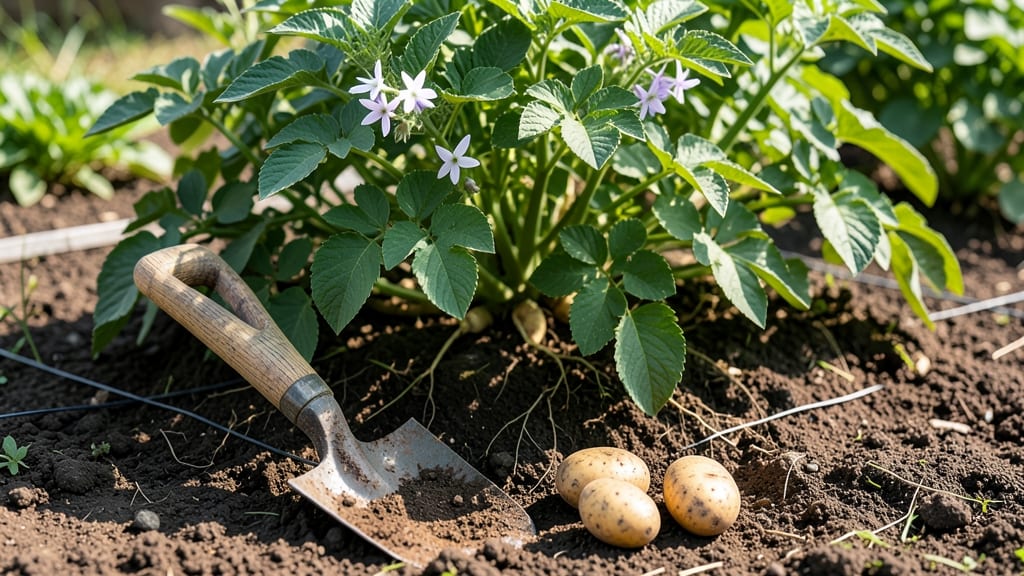
If you’ve ever wondered when is the best time to plant the potatoes in Georgia, timing is the secret weapon you’ve been missing. Planting potatoes at the wrong moment—whether too early and facing frost or too late and inviting blight—can turn your hard work into a gamble.
The best time to plant potatoes in Georgia isn’t just about the calendar; it’s about mastering the balance between soil warmth and frost-free dates.
Georgia’s unique climate, spanning USDA zones 7b-8b, means your neighbors in Atlanta might have a different ideal window than those in Savannah. I’ll break down the exact frost-free rules and soil temperature thresholds (45–50°F) that separate a thriving crop from a failed experiment.
Skip the guesswork and learn how to align your planting with Georgia’s microclimates for maximum success.
Whether you’re a first-time gardener or a seasoned grower, knowing when to plant—whether it’s early spring (March–April) or a summer second crop (July–August)—makes all the difference.
We’ll cover how to adjust for early blight risks, choose the right varieties, and even work around Georgia’s unpredictable weather patterns. Ready to turn your potato patch into a reliable harvest? Let’s get started.
The key to a bumper crop isn’t just luck—it’s strategy. By following these time-tested rules, you’ll avoid common pitfalls and enjoy a harvest that rivals the best farmers’ markets. No more wasted seed potatoes or blight-ravaged plants. Just healthy, homegrown 🥔 perfection.
Georgia’s ideal potato planting timeline: frost-free dates & soil temperature rules
Georgia’s USDA zones 7b-8b create a unique challenge for potato growers. Unlike northern states, we don’t face harsh winters, but our humid subtropical climate brings early blight risks and heat stress.
The key to success? Planting when soil temperatures hit 45–50°F (7–10°C) and avoiding the April 15–May 15 window when fungal diseases peak.
Most of Georgia experiences its last frost around March 15, but mountainous regions (like the Blue Ridge) can see frost into April 1–15. Coastal areas like Savannah rarely face frost after February 28. This means your planting window shifts 3–4 weeks depending on location.
For spring planting, aim to get seed potatoes in the ground 4–6 weeks before your last frost date. In North Georgia (Atlanta area), that’s typically early to mid-March. In South Georgia (Savannah), you can start as early as late February if soil warms quickly.
Here’s how Georgia’s microclimates affect your timing:
| Region | Last Frost | Ideal Planting Window | Soil Temp Threshold | Harvest Window |
|---|---|---|---|---|
| North Georgia (Atlanta) | March 15–April 1 | Early March–Mid-April | 45–50°F (7–10°C) | May–June |
| Central Georgia (Macon) | March 1–March 15 | Late February–Early April | 45–50°F (7–10°C) | April–May |
| South Georgia (Savannah) | February 28–March 10 | Late February–Early April | 48–52°F (9–11°C) | April–May |
| Coastal (Brunswick) | February 15–28 | Late January–Early March | 50–55°F (10–13°C) | March–April |
🌱 Note: Adjust for elevation—mountainous areas plant 2–3 weeks later.
Pro tip: Use a soil thermometer to confirm temperatures. Potatoes won’t sprout until soil hits 45°F (7°C), and planting too early in cold soil leads to rotten seed potatoes. If your soil is still chilly, opt for cold-hardy varieties like ‘Yukon Gold’ or ‘Kennebec’.
For a second crop, plant late July–early August after the summer heat peaks. This gives tubers time to mature before first frost (November 15). Just beware—early blight thrives in Georgia’s humidity, so avoid planting after April 15 in most regions.
Georgia’s frost-free season (210 days) is long enough for two crops, but timing is critical. Miss the window, and you’ll either face frost damage or blight-infested harvests. Next, we’ll cover how to adjust for Georgia’s blight risks and heat stress.
🌿
How to adjust planting for Georgia’s early blight & heat risks
Georgia’s humid climate makes potatoes vulnerable to early blight and heat stress, so timing matters more than ever. Planting too soon—before April 15 in most regions—risks fungal infections, while late plantings in June often fail under sweltering temperatures.
The key? Succession planting and blight-resistant varieties to stretch your harvest window.
Start your second crop in late July to early August for a fall harvest, but avoid June plantings entirely. Heat above 85°F stunts growth, and blight thrives in warm, damp conditions.
Mulching with straw or grass clippings keeps soil cool and reduces fungal spores. For extra protection, choose disease-resistant varieties like ‘Yukon Gold’ or ‘Red LaSoda’.
Here’s the critical adjustment: If you’re in North Georgia (USDA Zone 7b), aim for March 15–April 1 for spring plantings. In South Georgia (Zone 8b), delay until April 1–15 to avoid early blight.
Use a soil thermometer—wait until soil hits 45–50°F—to ensure germination isn’t delayed by cold snaps.
⚠️ Blight Alert!
Early blight spores lurk in Georgia’s soil year-round. Plant after April 15 to outpace fungal spread. If you see brown leaf spots with yellow halos, remove infected plants immediately and rotate crops next season.
🌱 Pro Tip: Apply a copper fungicide preventatively if your garden’s had blight before.
For a second crop, focus on late July plantings with fast-maturing varieties like ‘Kennebec’ (90 days). Use black plastic mulch to warm soil quickly and deter weeds.
In coastal areas (e.g., Savannah), where humidity is higher, add extra spacing (12–18 inches apart) to improve airflow and reduce blight risk.
Monitor your plants closely for heat stress signs: wilting leaves, yellowing edges, or stunted growth. If temperatures climb above 90°F, provide shade cloth (30–50%) during peak afternoon hours. Water deeply in the morning to prevent fungal growth from evening moisture.
By aligning your planting schedule with Georgia’s microclimates and using resistant varieties, you’ll dodge blight and heat stress while enjoying a longer harvest season. Start small with one variety, then expand as you master the timing.