
Flowers
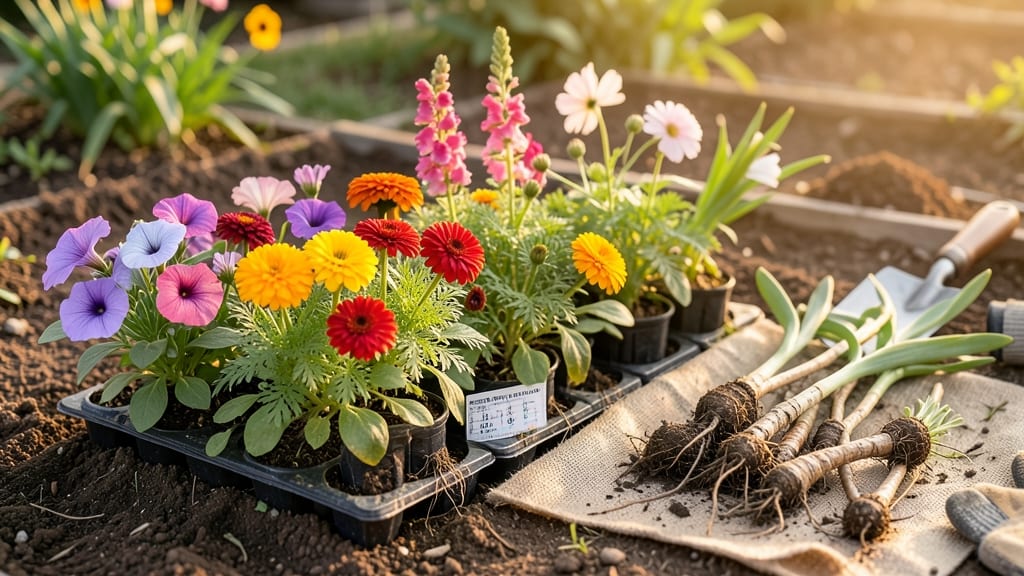
If you’ve ever planted your 🌸 flowers just to watch frost nip them back, you’re not alone—Ohio’s unpredictable climate makes timing everything.
The best time to plant flowers in Ohio isn’t a one-size-fits-all answer, but knowing your county’s microclimate (like Cincinnati’s heat vs. Cleveland’s chill) can mean the difference between vibrant blooms and wasted effort.
Most gardeners assume early spring is the only window, but Ohio’s 6a zone actually offers two prime planting seasons: right after the last frost (usually mid-April) and again in early fall before the first frost hits (mid-October).
Whether you’re growing sun-loving zinnias or shade-tolerant impatiens, getting this right saves you from replanting—and frustration.
In this guide, I’ll break down exactly when to plant your favorites by county, including how to adjust for urban heat islands or lake-effect cooling. You’ll also learn how to spot false springs, protect seedlings, and even extend your growing season with smart planning.
Let’s turn those “too early” or “too late” guesses into a foolproof schedule.
By the end, you’ll know not just when to plant, but why—so your garden thrives all season long. No more second-guessing, just confident blooms from spring to fall.
Ohio flower planting deadlines by county: frost dates and microclimate zones
Ohio’s last frost dates can shift by 2-3 weeks from Cincinnati’s urban heat to Cleveland’s lake-effect chill, making statewide planting advice risky. To avoid frost damage or stunted growth, I’ve mapped Ohio into three key regions—Northern, Central, and Southern—with county-specific deadlines for annuals, perennials, and bulbs.
These timelines align with USDA zones 5b-6a and account for Ohio’s 165 frost-free days average.
For northern Ohio (e.g., Cleveland, Toledo), aim to plant after May 10 for annuals like marigolds and zinnias, as late frosts linger until May 15.
In central Ohio (Columbus, Dayton), you can start April 20 for hardy flowers such as pansies, while southern Ohio (Cincinnati, Lexington) gardeners enjoy a 3-week head start, planting as early as April 1 for heat-loving petunias and geraniums.
🌱
| Region | Last Frost Date | Plant Annuals | Plant Perennials/Bulbs | Fall Planting Window |
|---|---|---|---|---|
| Northern Ohio (Cleveland, Toledo) | May 10–15 | May 15–June 1 | March 15–April 15 | September 1–15 |
| Central Ohio (Columbus, Dayton) | April 20–May 5 | April 25–May 10 | March 1–April 10 | September 15–30 |
| Southern Ohio (Cincinnati, Lexington) | April 1–10 | April 15–May 1 | February 28–April 5 | October 1–15 |
Urban gardeners in Cincinnati or Columbus may experience urban heat islands, pushing last frosts back by 5–7 days. Use a soil thermometer (aim for 50°F+) to confirm readiness, especially for tender annuals like impatiens.
Meanwhile, lake-effect zones near Erie or Sandusky can delay planting by 10 days due to cooler air masses.
For perennials and bulbs, early planting pays off. In northern Ohio, tuck in tulip bulbs by March 15 to ensure roots establish before summer heat. Southern Ohio gardeners can plant dahlias as late as April 15 thanks to warmer soils.
Pro tip: Mulch after planting to insulate bulbs from temperature swings.
Fall planting in Ohio offers a second chance for cool-season flowers. Aim to plant pansies or snapdragons by September 15 in northern regions and October 1 in the south. These frost-hardy annuals will bloom until Christmas, adding color to winter landscapes.
🌿
Mistakes like planting tomatoes or petunias too early—before May 1 in most of Ohio—often lead to frost-killed seedlings. I’ve seen gardeners in Lorain County lose entire beds of geraniums by ignoring the 50°F soil rule.
Always check the Old Farmer’s Almanac or local Cooperative Extension forecasts for real-time adjustments.
Extend your season with row covers or cold frames to plant 2 weeks earlier in spring or 2 weeks later in fall. For example, zinnias planted under cover in late April in central Ohio can bloom by June 1, beating the competition.
🌸
Best flowers to plant in Ohio by season: timing for maximum blooms
Ohio’s diverse growing seasons mean you can enjoy continuous blooms from early spring through fall—if you plant the right flowers at the right time. Annuals like zinnias thrive in summer heat, while tulips and daffodils need early spring planting.
Let’s break down the best flowers by season and how to time them for maximum impact in your garden.
For spring bloomers, focus on bulbs like tulips and hyacinths, which should be planted in late fall (October-November) to flower in April. Perennials like peonies also benefit from early planting—aim for March to early April when soil is workable but not frozen.
These hardy plants reward patience with bold, long-lasting blooms.
Summer flowers are the stars of Ohio gardens, with zinnias, sunflowers, and marigolds delivering vibrant color from June through September. Plant these annuals after the last frost (typically mid-April to early May), but don’t wait too long—heat-sensitive varieties like cosmos need time to establish roots before summer’s peak temperatures arrive.
🌸 Ohio Flower Planting Calendar by Season
- 🌱 Early Spring (March-April): Tulips, Daffodils, Peonies, Bleeding Heart
- ☀️ Late Spring (May): Petunias, Snapdragons, Sweet Alyssum
- 🌞 Summer (June-August): Zinnias, Sunflowers, Marigolds, Black-Eyed Susans
- 🍂 Fall (September-October): Mums, Asters, Pansies, Calendulas
Pro Tip: Succession plant fast-growing annuals like zinnias every 2-3 weeks for nonstop color!
Don’t overlook fall-planted flowers like mums and asters, which thrive in Ohio’s cooler autumn air.
These cool-season bloomers should go into the ground 8-10 weeks before your first frost (typically late August to early September in most counties). Pansies and violas are also excellent choices—they handle light frosts and add early spring color if planted in fall.
For heat-tolerant varieties in southern Ohio (e.g., Butler, Hamilton, or Clermont counties), opt for lantana, salvia, or portulaca, which flourish in 90°F+ temperatures that might scorch other flowers. In northern Ohio (e.g., Ashtabula or Lorain), prioritize shade-tolerant flowers like impatiens or ferns to complement shorter growing seasons.
Extend your blooming season with succession planting: Sow fast-growing annuals like bachelor’s buttons or nasturtiums every 2-3 weeks from May through July. This simple trick ensures your garden stays bursting with color from early summer into fall—without gaps. Just
Timing is everything in Ohio’s unpredictable climate. By matching flowers to seasons and using succession planting, you’ll create a garden that thrives year-round—no matter where you live in the state. Start with just a few seasonal favorites, and soon you’ll have a blooming masterpiece that neighbors will envy! 🌻