
Planting
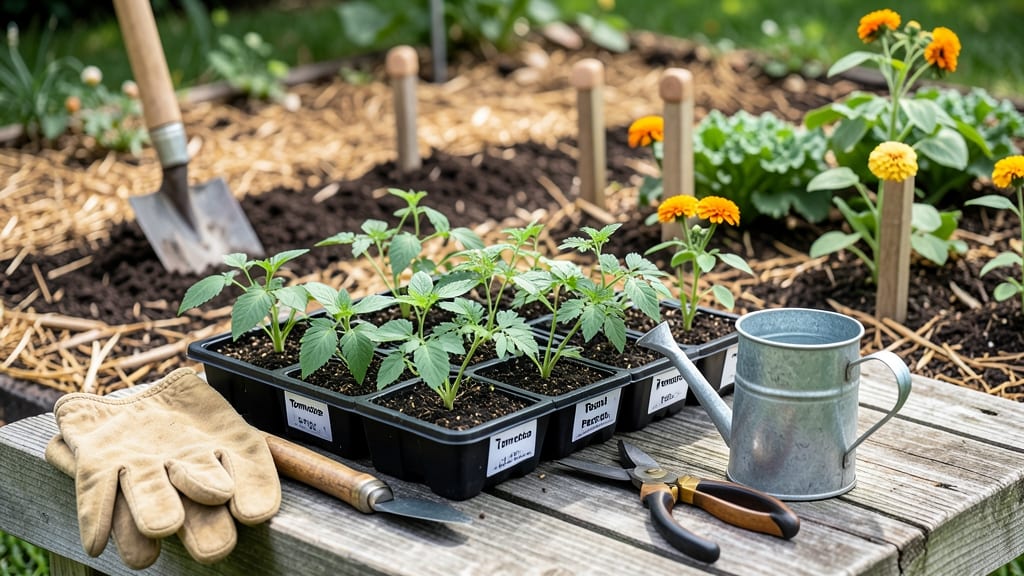
Timing your Ohio garden planting can feel like playing a high-stakes game of chance—get it wrong, and frost or heat ruins your hard work. The best time to plant a garden in Ohio hinges on knowing your USDA Zone (5b-6a) and working with Mother Nature’s unpredictable spring schedule.
With last frost dates ranging from early April in southern Ohio to late May in the north, gardeners must balance patience with opportunity. Whether you're dreaming of crisp tomatoes or vibrant marigolds, planting too early risks chilly setbacks, while waiting too long might cut your harvest short.
I’ll break down the ideal planting windows for everything from cool-loving lettuce to heat-craving peppers, plus how Ohio’s microclimates (like lakeside areas) can shift your schedule by weeks. Let’s turn guesswork into a foolproof plan.
By the end, you’ll know exactly when to prep your soil, which crops thrive in Ohio’s spring rush, and how to stretch your growing season into fall. Ready to dig in?
Ohio’s frost-free dates by USDA Zone 5b-6a: exact planting windows for vegetables
Ohio’s USDA Zones 5b-6a mean gardeners must time plantings carefully to avoid late spring frosts (which can kill tender seedlings) or miss peak harvests by planting too late.
The average last frost date ranges from April 15 in southern Ohio to May 10 in northern regions, while the first frost typically arrives between October 15 and November 1. These dates create a 150-180 day growing season, perfect for warm-season crops like tomatoes and peppers.
For cool-season crops (e.g., lettuce, spinach, peas), you can start planting as early as March 15 under row covers or in cold frames, but direct sowing should wait until soil temperatures reach 40°F (4°C).
Warm-season crops like tomatoes, peppers, and cucumbers need to wait until after the last frost and when soil temps hit 60°F (15°C)—usually mid-May to early June.
Here’s a quick reference for Ohio’s planting windows based on crop type and frost dates:
| Crop Type | Planting Window | Soil Temp Requirement | Notes |
|---|---|---|---|
| Cool-Season (Lettuce, Spinach, Peas) | March 15 – April 30 | 40°F (4°C) or warmer | Use row covers for early starts |
| Warm-Season (Tomatoes, Peppers, Cucumbers) | May 15 – June 15 | 60°F (15°C) or warmer | Wait for last frost date |
| Fall Crops (Kale, Carrots, Radishes) | August 1 – September 15 | 50°F (10°C) or warmer | Avoid planting too late |
| Perennials (Asparagus, Rhubarb) | March – April | 45°F (7°C) or warmer | Plant crowns in early spring |
To track frost dates in your area, check the Ohio State University Extension or use the National Weather Service’s frost prediction maps. For example, Columbus (Zone 6a) typically has a last frost around May 5, while Toledo (Zone 5b) may see frost until May 15.
Planting too early in Zone 5b can mean frost damage to seedlings, so always verify local data.
For warm-season crops, consider using biodegradable seedling pots or transplanting starts to extend your growing season. These can be planted 2-3 weeks before the last frost date, giving them a head start.
Meanwhile, cool-season crops like broccoli and cabbage can tolerate light frosts, so you can plant them 4-6 weeks before the last frost for an early harvest.
One pro tip: Test your soil temperature with a soil thermometer before planting. Warm-season crops like peppers struggle in cold soil, while lettuce grows best when soil temps stay below 75°F (24°C).
Aim for 60-70°F (15-21°C) for most vegetables. If your soil is too cold, wait a week or two—rushing planting often leads to poor germination or stunted growth.
Ohio’s microclimates also play a role. Urban areas like Cincinnati often warm up faster than rural zones, while Lake Erie can delay spring planting by 1-2 weeks due to cooler lake breezes.
Pay attention to these local variations when planning your garden layout. For instance, south-facing beds warm up faster and are ideal for early plantings.
If you’re unsure about your last frost date, use frost-protective measures like row covers or cold frames to push your planting window earlier. These tools can add 2-4 weeks of protection, letting you sow spinach or peas as early as March 1 in most of Ohio.
Just remove covers during the day to prevent overheating.
Finally, keep a gardening journal to track your own frost dates over the years. Ohio’s climate shifts slightly each decade, so your notes will help future plantings. For example, if you notice earlier last frosts in recent years, adjust your schedule accordingly. Happy planting!
Top 5 crops to plant in Ohio’s spring vs. fall seasons (with exact months)
Ohio gardeners know timing is everything—planting cool-season crops too late or warm-season crops too early can ruin your harvest. Spring and fall offer two prime windows, but the right planting months depend on your crop’s needs and Ohio’s USDA Zone 5b-6a frost patterns.
For spring planting, focus on hardy vegetables like peas and radishes that tolerate cooler soil temperatures. These can go in as early as late March to early April, once the ground thaws but before the last frost date (typically April 15–May 1 across Ohio).
Fall planting is equally rewarding—think kale, spinach, and carrots—because cooler temperatures reduce pests and bolting. Start these 6–8 weeks before your first frost (usually mid-August to early September in most of Ohio).
Here’s my breakdown of the top 5 crops to prioritize in each season, with exact months and soil temperature tips:
Peas (Spring)
Plant March 15–April 15 in 40–50°F soil. Tolerates light frost—ideal for Ohio’s early spring.
Lettuce (Spring/Fall)
Spring: March 20–April 30; Fall: August 1–September 15. Needs 50–60°F soil and partial shade in summer.
Tomatoes (Late Spring)
Wait until after last frost (usually May 10–June 1) and soil is 60°F+. Use row covers for early starts.
Kale (Fall)
Sow August 15–September 15 for a sweet, frost-enhanced harvest. Thrives in 50–60°F soil and cooler air.
Carrots (Spring/Fall)
Spring: April 1–May 15; Fall: July 15–August 15. Loosen soil to 12 inches deep—rocks ruin their growth!
Pro tip: Use soil thermometers to confirm readiness—50°F for peas, 60°F+ for tomatoes. In northern Ohio (Zone 5b), delay warm crops by 1–2 weeks compared to southern Ohio (Zone 6a).
Remember, fall planting often yields sweeter, hardier crops because cooler temps slow bolting and pests. Start your fall garden by August 1 to beat the first frost!
🌱