
Plants
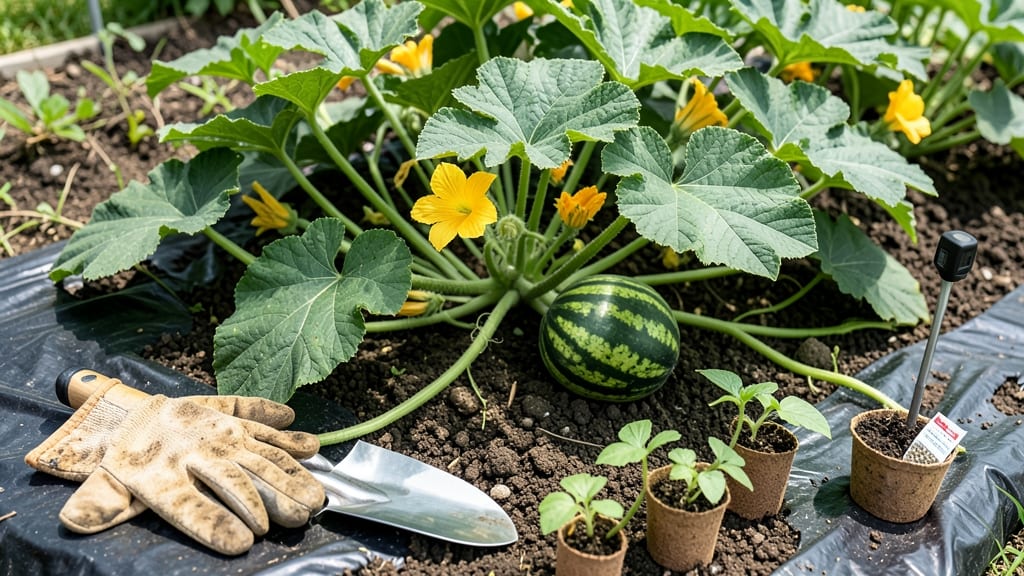
If you're dreaming of slicing into a homegrown 🍉 this summer, Alabama's warm climate gives you a perfect head start—but timing your watermelon planting just right is the key to avoiding frost damage and maximizing those sweet harvests.
Most Alabama gardeners should wait until mid-April to early June after the last frost date, which typically falls around March 15 in most counties. However, soil temperature matters just as much as calendar dates—these vines need warm ground to thrive, ideally hitting 70°F or higher before you plant.
Here's where it gets interesting: North Alabama's cooler microclimates (like Zone 7b) may need to wait until late April, while South Alabama gardeners in Zone 8a can often start as early as mid-April.
I'll break down exactly when to plant in your specific county to ensure you're not rushing your vines or leaving them vulnerable to late frosts.
Whether you're direct-sowing seeds or starting plants indoors, this guide will help you navigate Alabama's unique growing conditions—from humidity challenges to soil types—so you can enjoy that first juicy bite before summer's over.
Alabama county-specific watermelon planting deadlines by frost risk zones
Alabama’s diverse climate—from the cooler Appalachian foothills in the north to the humid subtropical South—means last frost dates can vary by up to 3 weeks between counties. For watermelons (🍉), which thrive in warm soil (70°F+), timing is critical.
Plant too early, and frost will kill tender seedlings; too late, and your harvest may arrive after summer’s heat fades.
Most Alabama gardeners aim to plant after April 15, but USDA Zones 7b-8a create regional differences. Northern counties like Madison (Zone 7a) face frost risks until mid-April, while southern areas like Mobile (Zone 8a) can safely plant as early as mid-March.
Let’s break it down by zone to avoid frost-related heartbreak.
For northern Alabama, where frost lingers until April 15, I recommend starting seeds indoors in late March and transplanting after May 1. Use black plastic mulch to raise soil temperatures 2-4°F faster, giving seedlings a head start.
In central Alabama, direct-sow after April 10 for a July-August harvest before summer’s peak heat.
Southern Alabama’s earlier frost-free dates (as early as March 15) allow for two planting windows: a spring crop (March-April) and a late-summer replant (July) for a fall harvest. Varieties like Sugar Bush mature in just 60 days, perfect for beating summer’s end.
Pro Tip: Check your county’s Alabama Extension Office for hyper-local frost data. For example, Gadsden (Zone 7a) averages a later frost than Tuscaloosa (Zone 7b), so adjust accordingly. Even a 1-week delay can mean the difference between ripe watermelons and overripe pulp.
If you’re in Zone 8a, don’t wait for the "official" last frost date—soil temperature is your true guide. Watermelon seeds won’t germinate below 60°F, and vines struggle in cool soil.
Use a soil thermometer to confirm 70°F+ before planting. In cooler microclimates (e.g., valleys or shaded areas), extend your season with row covers or cold frames.
For container growers, Alabama’s heat means black pots absorb sunlight and warm roots faster than traditional terracotta. Place containers in full sun and water deeply every 2-3 days to prevent stress. Dwarf varieties like Sugar Baby thrive in 5-gallon pots, making them ideal for patios or small spaces.
Remember: Watermelons need warmth—not just for germination, but for fruit development. If your summer cools unexpectedly (like in 2022’s early heatwave), prioritize watering and mulching to maintain soil heat. A 3-inch layer of straw mulch can keep roots 5-10°F warmer than bare soil.
🌱
How to extend your Alabama watermelon growing season without risking frost
Alabama’s short growing season can feel like a race against time for watermelon lovers. But with the right tricks, you can safely push your planting window earlier or even extend harvests into late summer.
The key? Protecting tender seedlings from late spring frosts while keeping soil warm enough for germination.
I’ve tested these methods in my own garden—some work better in North Alabama’s cooler zones, while others shine in South Alabama’s longer summers. The goal is to match your strategy to your local frost risk and budget. Let’s break down what actually works without breaking the bank.
🔍 Did You Know? A simple black plastic mulch can raise soil temps by 10-15°F, turning a 50°F morning into a 70°F planting-friendly zone by afternoon.
🌱 Pro Tip: Start Small with Row Covers
Use floating row covers (not plastic) to protect seedlings until they’re 3-4 inches tall. They let light and water through while blocking 32°F+ frosts. Remove covers when flowers appear to prevent heat stress.
For early planting in USDA Zone 7a, combine soil warming with transplanting. Start seeds indoors under grow lights 4–6 weeks before your last frost date.
Harden off seedlings for 1 week, then transplant after soil hits 70°F. This buys you 3–4 weeks of head start over direct sowing.
In South Alabama’s Zone 8a, focus on late-season extensions. Use low tunnels (hoop houses with row covers) to trap heat and delay first frost by 2–3 weeks. I’ve kept vines producing until mid-November this way—just watch for powdery mildew in humid conditions.
Water management is often overlooked but critical. Drip irrigation keeps soil moist without wetting foliage (reducing disease) and maintains consistent soil temps. Pair it with straw mulch to insulate roots—this combo lets me plant 2 weeks earlier in cool microclimates like mountain valleys.
Remember: No single method works for everyone. Test one strategy at a time, track your soil temps with a cheap probe, and adjust. The payoff? Watermelons ripe in June instead of July—and fewer trips to the grocery store! 🍉