
Plants
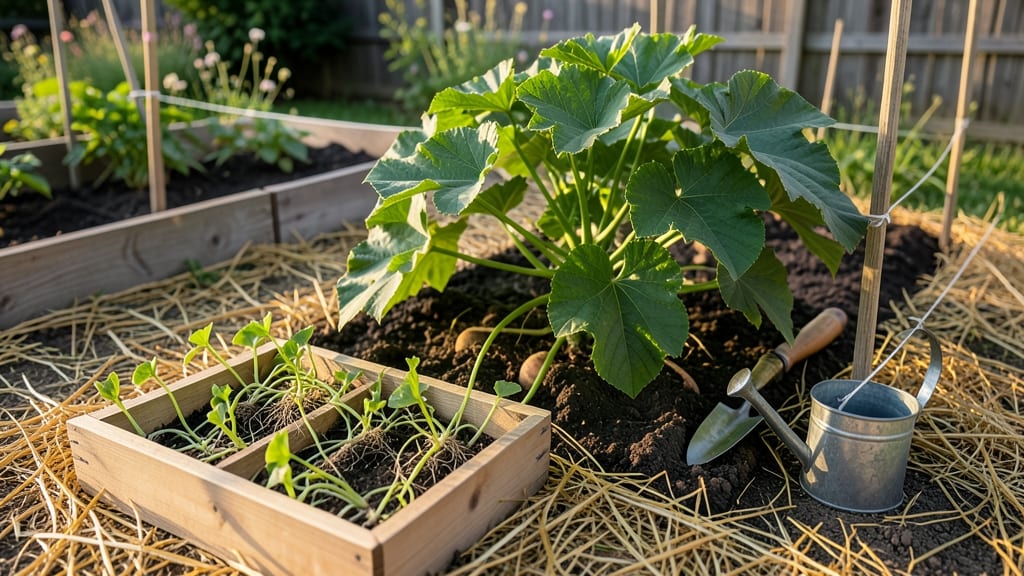
Planting sweet potatoes in Alabama at the wrong time can turn your garden dreams into a soggy, rotten mess—especially when you're just weeks away from a harvest of golden, vine-covered sweet potatoes 🍠.
Unlike cool-season crops, these heat-lovers demand warm soil and frost-free skies, or you'll spend summer pulling up sad, stunted slips instead of digging up dinner.
The perfect window in Alabama isn't just about dates—it's about soil hitting 65°F and counting 210 frost-free days to maturity. Too early? Your slips will languish in cold earth.
Too late? You'll miss the sweet spot for full-sized tubers before fall's first chill. Let me walk you through the exact timing that separates thriving vines from wasted effort.
We'll cover how to read Alabama's microclimates—whether you're in Birmingham's 7a zone or Mobile's balmier 8b—plus soil tricks to jumpstart growth when Mother Nature plays coy.
No more guessing games: just science-backed dates, temperature checks, and pro tips to turn your patch into the sweet potato goldmine you've been dreaming of.
Ready to ditch the trial-and-error? By the end, you'll know not just when to plant, but how to prepare your soil and spot the warning signs of timing gone wrong. Let's get those slips in the ground the right way—once and for all.
Alabama sweet potato planting calendar: exact dates by soil temperature & frost risk
Alabama’s USDA Zones 7a-8b create ideal conditions for sweet potatoes, but timing is everything. Unlike northern states, frost isn’t your biggest enemy—soil temperature is. Sweet potatoes need consistent warmth (65°F+) to thrive, and planting too early in cool Alabama soil leads to rotten slips and wasted effort.
Here’s your region-specific planting timeline to maximize yields.
Northern Alabama (Birmingham/Huntsville) typically sees its last frost around March 15, but soil warmth lags behind. Southern Alabama (Mobile/Dothan) warms faster, often reaching 65°F by late February. However, planting before soil hits 65°F risks stunted growth. Use these exact planting windows to align with Alabama’s microclimates.
| Region | Last Frost Date | Soil Warmth Target | Optimal Planting Window | Harvest Ready |
|---|---|---|---|---|
| Northern AL (Birmingham, Huntsville) | March 15 | 65°F+ (late April) | Late April – Early May | October 15 – November 15 |
| Central AL (Montgomery, Auburn) | March 1 | 65°F+ (mid-April) | Early April – Late April | October 1 – November 1 |
| Southern AL (Mobile, Dothan) | February 15 | 65°F+ (late March) | Late March – Early April | September 30 – October 30 |
For 2024 Alabama gardeners, aim to plant slips (young plants) when your local forecast shows consistent nighttime temps above 60°F. In northern Alabama, this often means waiting until after April 15, while southern gardeners can start as early as late March.
Pro tip: Black plastic mulch can warm soil by 10-15°F, letting you plant 2-3 weeks earlier if needed.
Alabama’s long growing season (210 frost-free days) gives you flexibility, but don’t push it. Planting after June 1 risks small harvests due to shortening daylight. Instead, stagger plantings every 2 weeks from April to May for a continuous harvest through October.
This works especially well in central Alabama’s warmer microclimates.
If you’re in Zone 7a (northwest AL), consider container growing to extend your season. Pots warm faster and let you move plants to sunnier spots as needed. Just ensure containers have drainage holes to prevent root rot, a common issue in Alabama’s heavy clay soils.
For in-ground planting, raised beds are another great option—they warm up 2-3 weeks faster than traditional garden beds.
Watch for localized frost pockets in Alabama’s valleys (like the Cumberland Plateau), where temps can drop 5-10°F colder than nearby areas. Use frost-free date maps from your local Cooperative Extension office for precise guidance.
For example, Huntsville’s last frost often occurs 2 weeks later than Birmingham’s, even though they’re only 60 miles apart.
Alabama’s humidity and summer heat can stress sweet potatoes if planted too late. After July 1, focus on harvesting existing plants rather than starting new ones. Late plantings may not mature before first frost (November 15), leading to underdeveloped tubers.
Instead, use this time to prepare next year’s slips or extend storage life for your harvest.
For urban gardeners in Birmingham or Mobile, microclimates matter. Apartment balconies in Mobile’s downtown may hit 65°F by March 15, while rural areas might need to wait until April 1.
Use a minimum-maximum thermometer to track your specific spot’s soil temps. If your area has late-spring frosts (like those in Madison County), wait until <
How to prepare Alabama’s soil for sweet potatoes: a step-by-step warmth check
Sweet potatoes demand warm soil—ideally 65°F+—to thrive, and Alabama’s clay-heavy soils can slow warming. Without preparation, your slips will rot or grow slowly. Start testing soil warmth in late February to avoid delays.
A simple soil thermometer (or your elbow—press it into the soil; if it feels cool, it’s not ready) works perfectly.
Alabama’s clay soils retain moisture but struggle to warm up. To fix this, work in compost or aged manure (2-3 inches) 2-3 weeks before planting. This improves drainage while raising soil temperature faster. Avoid fresh manure—it can burn tender roots. For extra warmth, consider black plastic mulch, which can raise soil temps by 10-15°F in just days.
🌱 Step-by-Step Soil Prep for Sweet Potatoes
- Test soil warmth: Use a thermometer to confirm 65°F+ at 4-inch depth. If cooler, wait or use black plastic.
- Loosen soil: Break up clay with a broadfork to 8 inches deep—sweet potatoes need room to spread.
- Amend with compost: Mix in 2-3 inches of compost to improve drainage and fertility.
- Raise beds (optional): For cooler areas, build 6-inch-high beds to warm soil faster.
- Mulch heavily: Cover with straw or black plastic 1-2 weeks before planting to lock in heat.
Alabama’s northern regions (e.g., Huntsville) often face cooler soils, while southern areas (e.g., Mobile) can plant earlier. If your soil stays below 60°F past April 15, extend rows east-west to maximize sun exposure. Avoid tilling after amending—it releases CO2, which can cool the soil temporarily.
Black plastic mulch is a game-changer for Alabama gardeners. Lay it down 2-3 weeks before planting to create a microclimate. Secure edges with soil or bricks to prevent wind shifts. This method also suppresses weeds and retains moisture—critical during Alabama’s hot, dry summers. Remove the plastic when vines start running to prevent overheating.
For container growing, use large pots (12"+ diameter) filled with a mix of potting soil and compost. Place containers on black trays or heat mats to mimic warmed soil.
Monitor moisture closely—containers dry out faster than in-ground beds. This method works well for urban gardeners or those with limited space.
Final readiness check: Before planting, press your finger into the soil. If it feels warm to the touch and crumbles easily (not sticky), your soil is ready. Pair this with clear skies for 3+ days to maximize warmth. Sweet potatoes are forgiving once planted, but soil prep is 80% of the battle in Alabama’s climate.
🌱