
Flowers
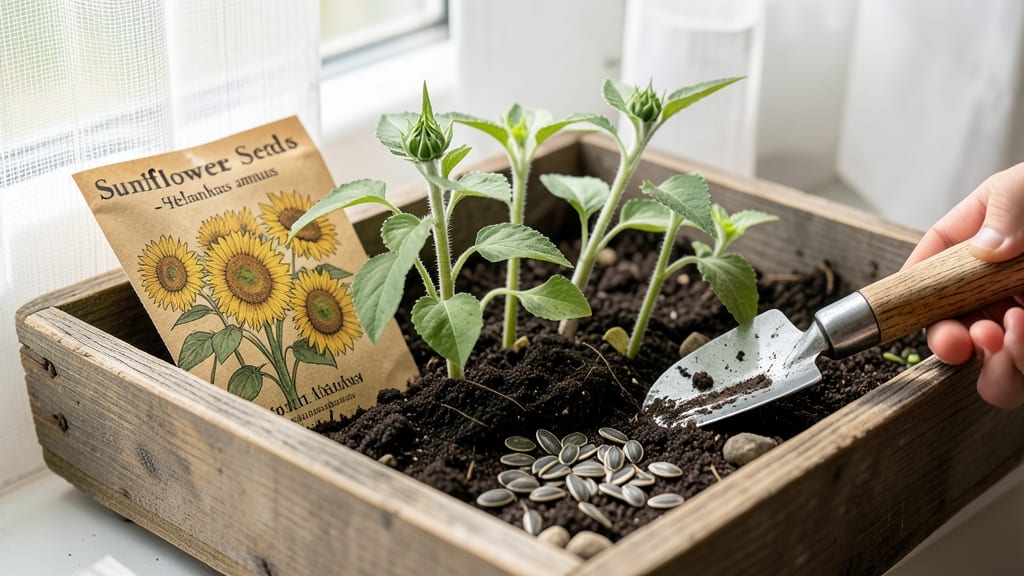
Planting sunflowers in Texas at the wrong time means watching them bolt in the heat before they even bloom—but timing it right unlocks towering, vibrant 🌻 displays that last all summer. With Texas' diverse heat zones (from 7b in North Texas to 11 in the Rio Grande Valley), the best window shifts dramatically depending on where you live.
If you're in North Texas (7b-8b), wait until after the last frost—typically mid-March—while South Texas gardeners can start as early as January. The key is planting when soil temperatures hit 50°F, ensuring strong root growth before the relentless summer sun arrives.
This guide breaks down the exact frost-free windows for your region, plus pro tips to extend your sunflowers' blooming season—like staggered plantings and heat-resistant varieties.
Whether you're a first-time gardener or a seasoned pro, you'll learn how to beat Texas' brutal heat and drought to grow sunflowers that reach their full, radiant potential.
Ready to turn your Texas garden into a sunflower paradise? Let's dive into the heat zone map and planting strategies that actually work in our state's extreme climate.
Texas heat zones explained: best planting months by region
Texas’ diverse climate means sunflower planting times vary dramatically from the Panhandle’s chilly winters to South Texas’ year-round warmth. Understanding your USDA hardiness zone is key—North Texas (zones 7b-8b) has late frosts until March 15, while South Texas (zones 9a-11) enjoys frost-free growing year-round.
Planting too early in cooler zones risks frost damage, while waiting too long in hotter areas can lead to bolting before flowering.
For optimal sunflower growth, aim to plant after your last average frost date when soil temperatures hit 50°F (10°C). In Central Texas (zones 8a-9a), this typically falls between February 15 and March 15, giving plants 6-8 weeks of warm weather to mature before summer’s intense heat.
South Texas gardeners can start as early as January, while North Texas should wait until mid-April to avoid frost surprises.
Here’s how Texas’ three main regions break down for sunflower planting success:
| Region | USDA Zone | Last Frost Date | Ideal Planting Window | Key Consideration |
|---|---|---|---|---|
| North Texas | 7b-8b | March 15 | April 1 - May 1 | Wait for soil warmth to avoid slow germination |
| Central Texas | 8a-9a | March 1 | February 15 - April 1 | Balance early planting with heat tolerance |
| South Texas | 9a-11 | February 15 | January 1 - March 15 | Plant early to escape summer’s extreme heat |
In North Texas, where frost lingers until mid-March, I recommend waiting until April 1 to plant tall varieties like ‘Mammoth’ or ‘Russian Giant’. These giants need 100+ days to mature, and planting earlier risks frost nipping young shoots.
For dwarf varieties like ‘Teddy Bear’, you can start as early as March 20—they mature faster (50-60 days) and handle cooler soils better.
Central Texas offers the best balance for sunflowers, with a longer frost-free season (about 240 days) and mild winters. This region can support two planting waves: an early batch in February for summer blooms and a second in April for fall flowers.
I’ve had success with ‘Autumn Beauty’ planted in late March—its rust and burgundy petals add stunning fall color before the first frost.
South Texas gardeners enjoy the luxury of year-round planting, but timing still matters. Planting in January gives sunflowers a head start before summer’s scorching heat (often exceeding 100°F) arrives.
For maximum blooms, I stagger plantings every 2-3 weeks from January through March. This creates a continuous display from early spring through fall, even in the hottest months.
Regardless of your Texas region, always check your local frost dates using the Texas A&M AgriLife Extension maps or a frost calendar app. A 5°F frost can kill sunflower seedlings, so don’t rush—wait for consistent daytime temps above 60°F.
For extra protection in North Texas, use row covers or plant near heat-retaining structures like brick walls.
Pro tip: Soil temperature matters more than air temperature. Use a soil thermometer to confirm 50°F+ before planting. In clay-heavy Texas soils, which retain heat, you might plant 1-2 weeks earlier than the calendar suggests. Just be prepared to water deeply to prevent cracking.
🌻
Sunflower varieties that thrive in Texas heat (and when to plant each)
Texas sunflowers face brutal summer heat, so choosing the right variety is key to success. Dwarf varieties like 'Teddy Bear' (2-4 ft) handle heat better than giants, while early bloomers like 'Autumn Beauty' avoid late-season wilting. Your planting window depends on both variety maturity and Texas heat zone.
For North Texas (USDA 7b-8b), plant dwarf varieties in late February to early April—they mature in 50-60 days before summer scorching. Standard varieties like 'Mammoth' need June planting to bloom before frost. South Texas (USDA 9a-11) can plant year-round, but spring (Jan-Mar) gives best results.
Heat-tolerant varieties like 'ProCut' (drought-resistant) or 'Sunizole' (rust-resistant) thrive in Texas' 100°F+ summers. Late-season varieties like 'Russian Giant' (120 days) should be planted by May 1st in North Texas to avoid November frost. Always check seed packets for days to maturity—this determines your planting deadline.
| Variety | Height | Days to Bloom | Best Planting Window | Texas Adaptability |
|---|---|---|---|---|
| Teddy Bear | 2-4 ft | 50-55 days | Feb-Apr (North), Jan-Mar (South) | Excellent (dwarf, heat-tolerant) |
| Sunspot | 3-5 ft | 55-60 days | Feb-Apr (North), Jan-Mar (South) | Very Good (compact, early) |
| Mammoth | 10-16 ft | 85-120 days | May-June (North), Apr-May (South) | Moderate (needs staking) |
| Autumn Beauty | 5-8 ft | 60-70 days | Feb-Apr (North), Jan-Mar (South) | Excellent (long bloom season) |
| Russian Giant | 12-16 ft | 110-120 days | May (North), Apr (South) | Moderate (needs water) |
For extended blooming, try succession planting—sow 'Teddy Bear' every 2 weeks from February through April. This creates a continuous yellow display through summer. South Texas gardeners can even plant fall varieties like 'Moulin Rouge' in August-September for winter blooms before frost.
Pro tip: Pre-soak seeds for 4-6 hours before planting in Texas' dry soil. This boosts germination rates by 30% in 90°F+ conditions. Always plant seeds 1 inch deep and 12 inches apart (24 inches for giants) to prevent crowding stress during heatwaves.
Remember: Texas heat accelerates growth—monitor your plants daily for wilting signs. Mulch with 2-3 inches of straw to retain moisture and keep roots 10°F cooler during peak summer.
With the right variety and timing, your sunflowers will reach their full Texas-sized potential—towering over your garden like golden skyscrapers! 🌻