
Plants
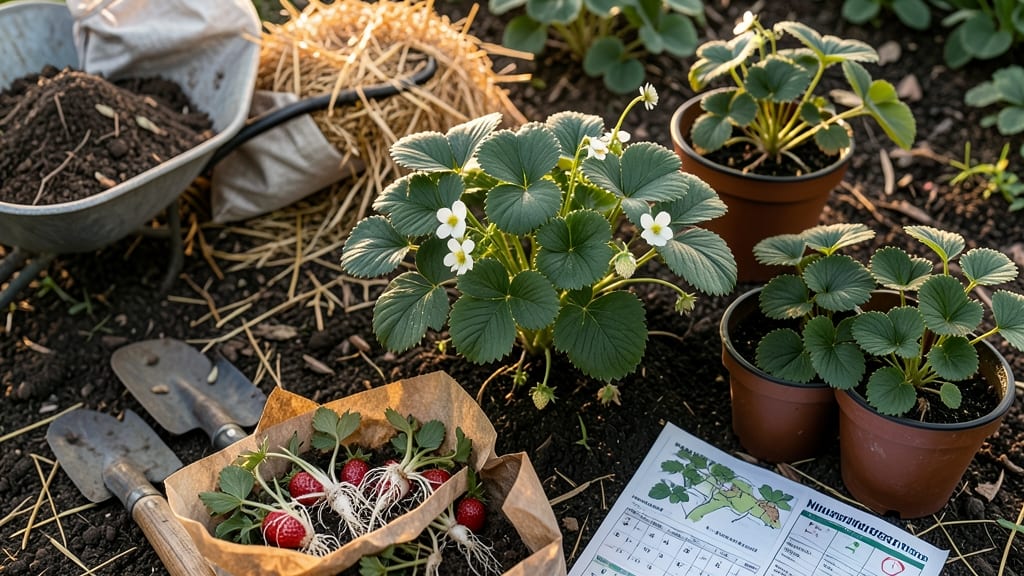
If you're dreaming of juicy, homegrown 🍓 strawberries but worried about Michigan's fickle spring weather, when do you plant strawberries in Michigan is the first question you need to answer.
Planting them too early risks frost damage, while waiting too long cuts your harvest short—so knowing the perfect windows for your specific zone could mean the difference between a bountiful summer crop and a disappointing one.
Michigan's 5b-6b zones give you two prime opportunities: early spring (March-April) or late summer (July-August), but the exact timing depends on where you live.
Whether you're in the Upper Peninsula's cooler climate or the Lower Peninsula's slightly warmer pockets, understanding these nuances helps you avoid common pitfalls like frost heave or stunted growth.
I'll walk you through the ideal planting months for Michigan, including how to prepare your soil and choose cold-hardy varieties that thrive in our climate. Plus, you'll discover how to extend your harvest season with simple techniques that work even in Michigan's short growing window.
Ready to grow strawberries that rival the ones at the farmers' market? Let's dive into the exact steps to plant for maximum success—no guesswork required.
Michigan strawberry planting zones: best months by region (2024 guide)
Michigan’s USDA hardiness zones 5b-6b mean strawberries can thrive—but only if planted at the right time. The Upper Peninsula (Zone 5b) has a shorter growing season, while the Lower Peninsula (Zone 6a/b) offers slightly more flexibility.
I’ve broken down the optimal planting windows by region to help you avoid frost damage and maximize yields.
For most of Michigan, early spring (March–April) is the gold standard for planting bare-root strawberries. This gives roots time to establish before summer heat arrives. However, late summer (July–August) is another viable option for everbearing varieties like 'Seascape,' which produce fruit in both spring and fall.
Soil temperature is your best indicator for planting time. Strawberries need soil that’s at least 40–50°F—cold soil can stunt root growth. Use a soil thermometer to check, especially in northern Michigan, where frosts linger longer.
Here’s how microclimates affect timing: Gardens near Great Lakes shorelines (like Traverse City) warm up faster than inland areas (like Lansing). Urban heat islands in Detroit or Grand Rapids may allow for earlier planting by 1–2 weeks compared to rural zones.
Michigan Strawberry Planting Timeline by Region
| Region | USDA Zone | Best Planting Window | Soil Temp Threshold | Notes |
|---|---|---|---|---|
| Upper Peninsula (Marquette, Iron Mountain) | 5b | Late April–May | 45–50°F | Short season; prioritize June-bearing varieties like 'Honeoye'. |
| Northern Lower Peninsula (Traverse City, Petoskey) | 6a | Early April–mid-May | 40–45°F | Lakeside areas warm faster; consider everbearing for extended harvests. |
| Central Michigan (Lansing, Grand Rapids) | 6a | Mid-March–April | 40–45°F | Urban areas may plant 1–2 weeks earlier due to heat islands. |
| Southern Michigan (Detroit, Ann Arbor) | 6b | Late February–March | 40°F | Warmest zone; ideal for day-neutral varieties like 'Albion'. |
| All Regions (Late Season) | 5b–6b | July–August | 55–60°F | For everbearing varieties; harvests in fall. |
🌱 Pro Tip: Use row covers to extend early spring planting by 2–3 weeks.
If you’re planting strawberries from seed (a less common but rewarding method), start indoors 8–10 weeks before your last frost date. For Michigan, that means mid-January to February for most regions. Seedlings are delicate—transplant them outdoors only after hardening off and when soil is consistently 50°F.
For container gardening, timing shifts slightly. Containers warm up faster, so you can plant 2–3 weeks earlier than in-ground beds. Just ensure pots have drainage holes to prevent root rot—a common issue in Michigan’s clay-heavy soils.
One critical mistake I see in Michigan gardens? Planting too early and risking frost heave (when soil freezes and pushes plants out of the ground). To avoid this, wait until soil temperatures stay above 40°F for 5+ days.
For fall-bearing varieties, like 'Ozark Beauty,' you can also plant in late summer (July–August). These plants produce fruit in both spring and fall, giving you a longer harvest window. Just mulch heavily in October to protect roots from winter fluctuations.
🌿 Remember: Michigan’s last frost dates vary wildly—Detroit averages May 10th, while Marquette holds onto frost until May 25th. Check your local Almanac or use a frost calendar to fine-tune your timing.
Michigan strawberry planting zones: best months by region (2024 guide)
Michigan’s USDA zones 5b-6b create a tight window for planting strawberries, but timing varies dramatically between the Lower Peninsula and Upper Peninsula.
In southern areas like Detroit or Ann Arbor, you can start as early as late March, while northern regions like Marquette or Traverse City should wait until mid-April to avoid frost damage. Soil temperature is your best guide—wait until it reaches 40–50°F at a depth of 4 inches.
For June-bearing varieties (like 'Honeoye' or 'Jewel'), early spring planting ensures a full harvest window from June to August. If you prefer everbearing types (e.g., 'Chandler'), late summer planting in July or August extends your harvest into fall.
Always check your local last frost date, which ranges from mid-April in southern Michigan to early May in the north.
🌱 Michigan Strawberry Planting Timeline by Region
| Region | Best Planting Window | Soil Temp Threshold | Harvest Window |
|---|---|---|---|
| Southern MI (Detroit, Ann Arbor) | Late March–Early April | 40–50°F | June–August |
| Central MI (Lansing, Grand Rapids) | Mid-April | 45–50°F | Late June–July |
| Northern MI (Traverse City, UP) | Early–Mid-May | 50°F+ | July–Early August |
| Late Summer (All Regions) | July–August | 55–60°F | September–October |
💡 Pro Tip: Use row covers or black plastic mulch to warm soil faster in early spring.
Microclimates play a huge role in Michigan. Urban areas like Detroit or Grand Rapids often experience earlier soil warming due to pavement and buildings, while rural or lakeside gardens may stay colder longer.
If you’re near Lake Michigan, expect cooler, slower soil warming—delay planting by 1–2 weeks compared to inland areas.
For bare-root strawberries, soak roots in water for 1–2 hours before planting to revive them.
If using potted plants, transplant as soon as soil thaws, even if flowers haven’t appeared yet. June-bearing varieties planted early will produce larger berries, while late-planted everbearing types yield smaller but continuous fruit.
Never plant strawberries in frozen or waterlogged soil, as this causes root rot and poor establishment. Amend your soil with compost or aged manure before planting to improve drainage and fertility.
Aim for a pH of 5.5–6.5, which Michigan’s native soil often lacks—test and adjust with lime or sulfur if needed.
🌱 If you’re in doubt about your local frost risk, use frost cloth for the first 2 weeks after planting to protect young plants. This extra step can mean the difference between a thriving patch and a failed crop in Michigan’s variable climate.